
Can Real Madrid Rise to the Occasion in the Clásico?
Real Madrid head into Sunday’s Clásico in a positive run of form, but manager José Mourinho has warned that recent results will count for little when his side face Barcelona. Speaking ahead of the Spanish league’s 10th round, the Madrid coach described the meeting as a contest with its own pressures, rhythm and demands—one that cannot be judged by what either team has done in previous matches.
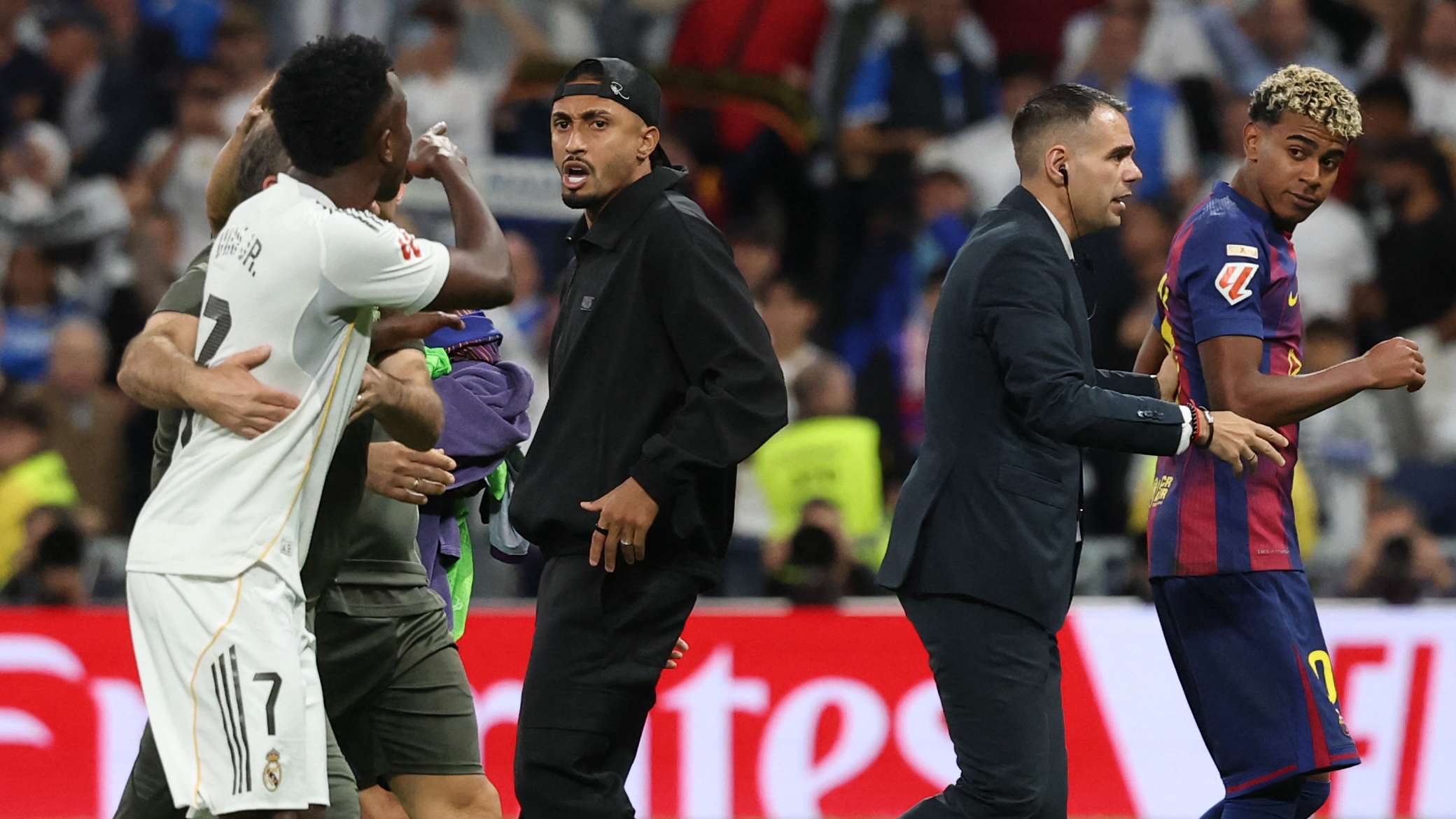
With two of Spain’s biggest clubs preparing to renew their rivalry, the fixture promises more than three points. The Clásico can shape the mood around both teams, influence the league conversation and test how well each manager’s ideas hold up under intense scrutiny. For supporters looking for a football prediction, Mourinho’s comments offer a useful clue: he expects Real Madrid to stick to their identity rather than build their entire approach around Barcelona’s most dangerous players.
Mourinho Says Recent Form Will Not Decide the Clásico
Real Madrid have been playing well and finding the net, Mourinho acknowledged, but he was careful not to present that form as a guarantee of success. In his view, a Clásico is too distinctive to be treated as a routine extension of the league campaign. Previous performances may provide confidence, but they do not determine what happens once the teams meet on the pitch.
“We are going through a good period, we are playing well and scoring goals,” Mourinho said, while stressing that those achievements would have no direct impact on Sunday’s match. He described the fixture as “completely different,” underlining the importance of concentration, emotional control and quick decision-making in a game where the atmosphere can amplify every mistake.
That distinction matters for both teams. Strong attacking numbers can be encouraging, but the Clásico often turns on details: the timing of a press, the ability to defend transitions, and whether a side can remain composed after conceding a chance or falling behind. Madrid’s challenge will be to carry its confidence into the match without assuming that recent momentum guarantees the same result against Barcelona.
Barcelona’s Heavy Defeat May Not Change Its Mindset
Mourinho was also asked whether Barcelona’s 4-0 defeat to Paris Saint-Germain could affect the Catalan club’s confidence. He dismissed the idea that one result would necessarily transform a team’s psychological state or overall level. A heavy loss can prompt review and adjustment, but it does not automatically erase a side’s quality or determine how it will perform in the next major game.
To explain his view, Mourinho pointed to a hypothetical scenario involving his own team. He said that if Real Madrid had lost 4-1 to Leipzig, he would not expect that single defeat to redefine his mindset or the team’s ability. His answer suggested that elite clubs must be judged over a broader period, rather than by one difficult night.
For Barcelona, that perspective may be especially relevant before a high-profile meeting. The response to a setback can reveal as much as the setback itself. Players may look to regain control through possession, press with greater urgency, or simplify their choices early in the match. Real Madrid, meanwhile, will need to be alert to the possibility that Barcelona arrive determined to make an immediate statement.
Respect for Lamine Yamal, but No Change to Madrid’s Identity
One of the central tactical questions ahead of the Clásico concerns how Real Madrid will handle Lamine Yamal. The Barcelona forward has attracted attention for his technical ability and capacity to influence attacking play, but Mourinho resisted the suggestion that Madrid should redesign its entire plan around one opponent.
He described Yamal as a “great player” who deserves respect, while making a clear distinction between acknowledging an opponent’s strengths and abandoning a team’s own principles. Mourinho said Madrid would not change its tactical structure or identity solely because of Yamal—or because of any other player with exceptional quality.
That does not necessarily mean Madrid will ignore the threat. Respect can involve careful positioning, coordinated defensive support and awareness of where a dangerous player receives the ball. The key, in Mourinho’s view, is to make those adjustments without allowing them to disrupt the team’s broader plan. If Madrid devote too much attention to one attacker, they could leave space elsewhere; if they offer too little support, Barcelona’s individual quality may become more difficult to contain.
The balance between preparation and flexibility could be decisive. Real Madrid will need to defend as a unit while still finding opportunities to attack quickly. Barcelona, in turn, will look to create situations in which its forwards can receive the ball facing goal and test Madrid’s defensive organisation.
Mourinho Praises Hansi Flick
Mourinho also offered a brief assessment of Barcelona coach Hansi Flick. Asked about his counterpart, he called Flick a great coach who is doing excellent work. He gave no extended analysis, instead pushing back against what he described as questions focused on opponents.
The measured response reflects the way managers often approach a Clásico press conference. Public comments can show respect, but they rarely reveal the full tactical plan. Mourinho’s praise for Flick was clear, though his focus remained on preparing Real Madrid rather than discussing Barcelona’s methods in detail.
Flick’s task will be to ensure Barcelona respond to the PSG defeat with discipline and confidence. The team must balance its attacking ambition with protection against Madrid’s ability to exploit open spaces. In a match of this scale, the coaches’ choices—pressing height, midfield structure and substitutions—may prove just as important as individual moments of brilliance.
Clásico Prediction: What Could Decide the Match?
Any football prediction for Sunday’s Clásico should account for the uncertainty Mourinho emphasised. Real Madrid’s recent form is encouraging, while Barcelona’s defeat to PSG may create questions about confidence and defensive organisation. Yet neither factor is decisive on its own. The first goal, control of midfield and ability to respond to pressure could have a greater influence than the teams’ most recent results.
Madrid are likely to benefit if they maintain their usual identity, defend collectively and turn recoveries into purposeful attacks. Barcelona may have the advantage when it can control possession and draw Madrid out of shape. Both teams will also need to manage the emotional intensity of the occasion: an early mistake or a disputed decision can quickly change the tempo.
Mourinho’s message is straightforward: the Clásico must be approached as a fresh challenge, not as a reward for past form or a reaction to one defeat. Real Madrid will respect Barcelona’s talent, including Yamal’s, but the coach does not intend to sacrifice his team’s principles. Whether that approach helps Madrid rise to the occasion will be decided on the pitch, where preparation, composure and execution—not pre-match predictions—will ultimately determine the outcome.