
Real Madrid’s Clásico Selection: Mourinho Weighs Valverde, Brahim and a Bold Forward Choice
Real Madrid’s upcoming Clásico against Barcelona could have a major impact on the LaLiga title race, and José Mourinho faces a series of important decisions as he prepares his team. A victory would give Madrid the opportunity to reduce the gap to their rivals to three points, raising the stakes for a fixture that is already among the most closely watched matches in world football.
Much of the pre-match debate centres on Federico Valverde. The Uruguay international is one of Madrid’s most adaptable players, capable of adding energy and defensive cover in midfield or filling in at right-back. Where Mourinho deploys him may shape the team’s formation, its balance in possession and its ability to contain Barcelona’s attacks.
Valverde’s position could determine Madrid’s shape
Journalist Siro López, writing for Defensa Central, has outlined several possible approaches for Mourinho. One option is to station Valverde on the right flank, where his running power could help Madrid press high, support the attack and track Barcelona’s overlapping players. In that setup, the team could use a 4-4-2 formation, with two central midfielders providing protection behind the forward line.
Another possibility is to use Valverde at right-back. His pace and stamina would offer Madrid a way to defend the wide channel while still contributing to attacks, although the role would require him to balance his natural instinct to move forward with the need to maintain the defensive line. If Valverde starts in defence, Brahim Díaz could be considered for a midfield or wide attacking position, giving Mourinho a different kind of creativity in the final third.
López has not ruled out either role for Valverde but appears to favour using him on the right side of the team. A midfield partnership of Aurélien Tchouaméni and Arda Güler could sit behind him. Tchouaméni would provide physical presence and defensive discipline, while Güler could help Madrid progress the ball and find openings between Barcelona’s lines.
That combination would offer attacking potential, but it may not be the only midfield pairing under consideration. Replacing Güler with Eduardo Camavinga would give Madrid greater defensive strength and mobility. Camavinga’s ability to cover ground could be particularly valuable if Barcelona dominate possession or target the spaces around Madrid’s midfield.
Brahim Díaz offers a different attacking dimension
Brahim is one of the most intriguing players in Mourinho’s selection puzzle. He can start on the right, move into central areas and carry the ball past opponents, making him a useful option when Madrid need to break through a compact defence. His close control and willingness to take on defenders may also help the team create chances when the usual passing routes are blocked.
His value is not limited to dribbling. Brahim can connect midfield with attack, combine quickly around the penalty area and draw defenders away from teammates. In a high-pressure Clásico, those qualities could give Madrid a way to disrupt Barcelona’s defensive structure. He may not be an automatic starter, but his versatility makes him a strong candidate for a significant role.
Vinícius Júnior’s availability adds another layer to the decision. The Brazilian’s pace and one-on-one ability make him a natural threat against a high defensive line, while Brahim’s tendency to move inside could give Madrid a more intricate approach. Mourinho must decide whether the team would benefit most from direct running, close combination play or a balance of both.
Bellingham’s place looks secure, but the midfield is crowded
Jude Bellingham is expected to start, leaving the remaining midfield places open to competition. Madrid’s options offer contrasting strengths: Tchouaméni brings defensive security, Camavinga adds athleticism, Güler supplies creative passing and Valverde can influence the game from several positions. The final selection will depend on how Mourinho expects the contest to unfold.
If Madrid anticipate a physically demanding match, Camavinga and Tchouaméni could give the side a stronger platform. If the priority is to retain possession and create chances through the middle, Güler may be preferred. Valverde’s role could then be adjusted to provide width, cover at right-back or an additional runner from midfield.
That flexibility is useful, but it also creates a tactical trade-off. Moving Valverde to defence could strengthen the right side while reducing his influence in central areas. Keeping him in midfield may improve Madrid’s pressing and transitions, but it would require another player to handle the defensive responsibilities on the flank.
Could Mourinho make a surprise call up front?
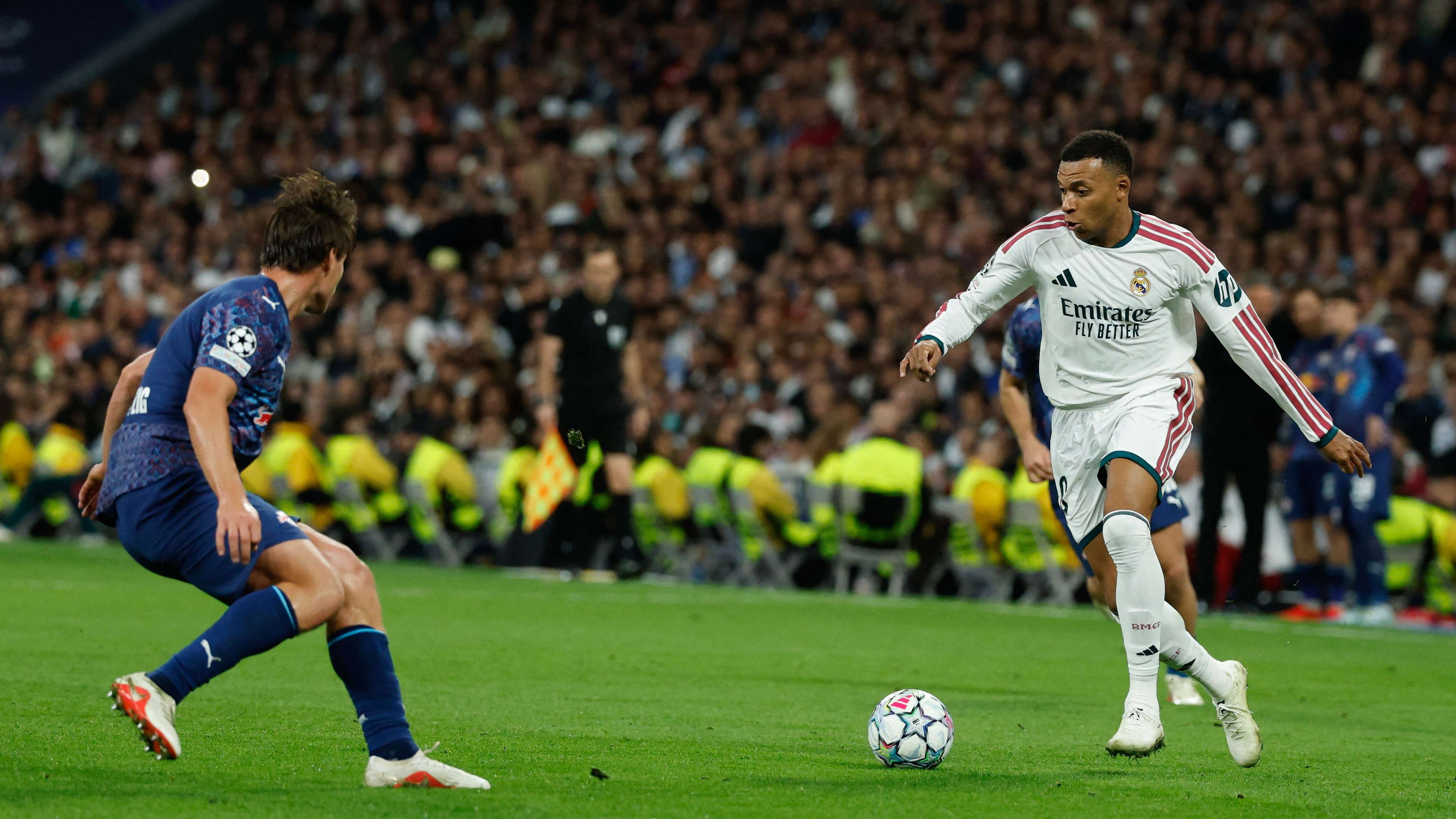
Mourinho may also have to choose how to balance his attacking options. López believes the coach could pair Vinícius with Kylian Mbappé, a combination that would give Madrid exceptional speed and threat on the counterattack. Both forwards can attack open space, potentially punishing Barcelona if the home side commit players forward.
That approach could leave Diomande on the bench, depending on the final shape and personnel available. However, a more daring alternative would be to give Diomande a starting place ahead of Vinícius. Such a decision would represent a significant selection surprise, but it could allow Mourinho to prioritise a different balance of movement, pressing and physical presence in attack.
For supporters following the latest football prediction discussions, the uncertainty makes this Clásico especially difficult to call. Madrid’s likely lineup will reveal whether Mourinho intends to press aggressively, protect the centre of the pitch or rely on rapid transitions. Barcelona’s approach will matter just as much: a high defensive line could invite Madrid’s forwards to run in behind, while a more cautious setup might make Brahim’s close control and creativity more valuable.
A tactical contest with little room for error
The Clásico is about more than individual star power. Small details—who wins the midfield duels, how effectively Madrid defend the right flank and whether their forwards can exploit space—could decide the outcome. Mourinho has several credible combinations available, but each comes with a different risk and reward.
Valverde’s position remains the central question, while Brahim could become the key alternative if Madrid need invention. Bellingham is expected to lead the midfield, but the supporting cast is still being debated, and the choice between Vinícius and Diomande could add another surprise. With the chance to close the gap to Barcelona to three points, Madrid’s selection may prove as consequential as the players’ performance once the match begins.