
Barcelona’s Raphinha and Pedri Face Defining Roles in the Clásico
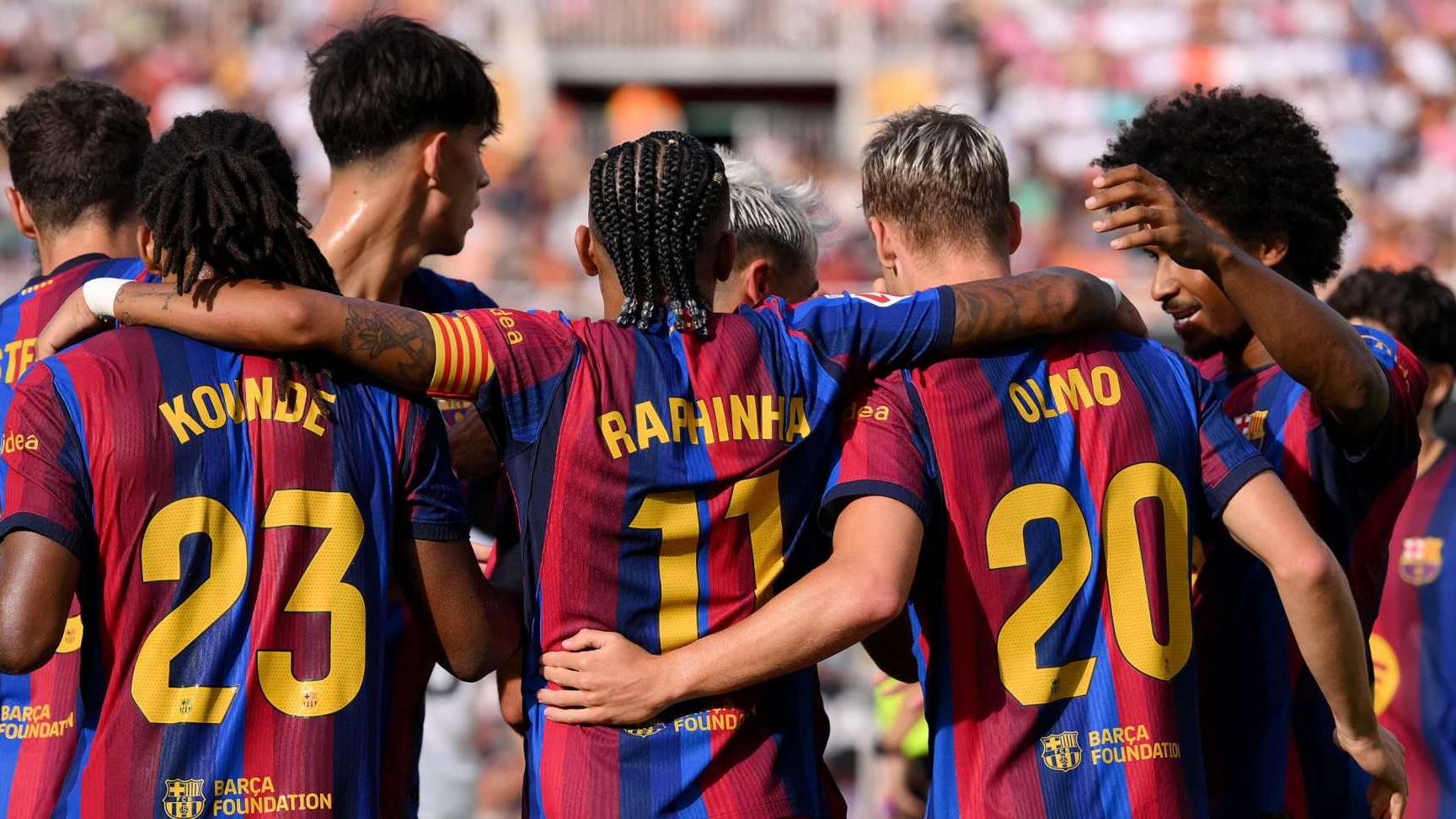
Barcelona head into their La Liga showdown with Real Madrid looking to turn two very different strengths into a decisive advantage. Raphinha has been delivering goals at a remarkable rate, while Pedri’s ability to find teammates through crowded midfield spaces could help Barcelona escape Madrid’s pressure and launch attacks.
The stakes are high for both sides. Barcelona are aiming to extend their lead at the top of the table to nine points, while Real Madrid can narrow the gap to three with a victory. With the Clásico often shaped by small details, the form and influence of these two Barcelona stars could have a major bearing on the result—and on any pre-match prediction.
Raphinha’s finishing gives Barcelona a potent threat
Raphinha arrives in outstanding scoring form. Opta figures cited in the original report show that the Brazilian has scored 12 La Liga goals from chances worth an expected 8.9 goals. That leaves him 3.1 goals above his expected-goals total, a notable sign of how effectively he has converted opportunities.
Expected goals, or xG, estimate the likelihood that a shot will result in a goal based on factors such as its location and the type of chance. A player consistently scoring above his xG may be demonstrating exceptional finishing, benefiting from high-quality execution, or both. In Raphinha’s case, the gap highlights a forward who has been making the most of his chances rather than relying solely on a high volume of shots.
The report also puts his scoring rate at 1.5 goals per match and says he leads the league’s scoring chart, according to Cadena SER. Whatever the precise measure, the wider message is clear: Raphinha has become one of Barcelona’s most dangerous attacking players, and Real Madrid will need to limit the space and service available to him.
Only two players are listed as having a larger positive difference between goals scored and expected goals. Rayo Vallecano’s Sergio Camello is reported to be 3.9 goals above his xG, with seven goals in nine appearances. Atlético Madrid forward Alex Baena follows at 3.7 above his expected total, having scored five times.
Why Raphinha’s movement matters against Madrid
Raphinha’s threat is not limited to his finishing. His runs can stretch a defensive line, create openings for teammates and force opposing defenders to make difficult decisions about when to step forward. Against a Real Madrid defence prepared to protect central areas, Barcelona may look to use quick combinations and changes of direction to get the Brazilian into shooting positions.
That makes the service he receives especially important. If Barcelona can move the ball quickly from midfield into the final third, Raphinha can attack before Madrid’s defensive shape is fully set. If the visitors successfully disrupt that connection, he may be left isolated or forced to receive the ball farther from goal.
Pedri could be the key to breaking Madrid’s press
Pedri’s contribution is less easily captured by goals, but it may be just as important to Barcelona’s game plan. The midfielder is valued for his ability to operate between the lines: the spaces separating an opponent’s midfield and defence. Receiving the ball in those pockets can allow him to turn forward, draw defenders out of position and find Barcelona’s attackers with incisive passes.
Opta data cited in the report places Pedri among La Liga’s leading players for the relevant passing measure. He is said to rank ahead of Arda Güler, with 48, Gerard Martín, with 47, and Federico Valverde and Rodri, each with 46. The figures underline Pedri’s ability to connect midfield possession with attacking movement, particularly when opponents try to close down the centre of the pitch.
That skill will be tested against a Real Madrid side expected to apply pressure and disrupt Barcelona’s rhythm. If Pedri can receive under pressure and play forward quickly, he may help the hosts bypass the first wave of Madrid’s press. If he is denied time and space, Barcelona could be pushed into slower, safer passes that allow the visitors to regroup.
The connection that could shape the match
Pedri and Raphinha’s roles are closely linked. Pedri can provide the pass that takes Barcelona beyond Madrid’s midfield, while Raphinha can turn that progress into a direct threat near goal. Their understanding could also create opportunities for other attackers: when defenders move toward Raphinha, space may open elsewhere; when Pedri draws pressure, a quick release can send the forward line into dangerous areas.
Barcelona will therefore need more than individual brilliance. They must offer Pedri passing options, move the ball with enough speed to unsettle Madrid and ensure Raphinha is not left waiting for service. The team’s ability to combine those elements may prove more influential than possession figures alone.
Clásico prediction: fine margins could decide the outcome
On paper, Raphinha’s scoring form gives Barcelona a clear reason for confidence. His finishing has exceeded the chances created for him, while Pedri offers a route through the midfield pressure that could otherwise limit the team’s attack. Together, they represent a blend of end product and creative control.
Still, a Clásico is rarely settled by statistics alone. Real Madrid’s defensive organisation, their ability to win the ball and the quality of their transitions will all shape the contest. Barcelona’s challenge is to use Pedri to break the press and then get Raphinha involved in the most dangerous areas. Madrid, meanwhile, will look to disrupt that partnership and punish any space left behind.
The prediction, then, rests on which side controls the key moments. If Pedri can dictate play between the lines and Raphinha continues converting chances at an exceptional rate, Barcelona will have a strong platform to protect their position at the top of La Liga. If Madrid can shut down the supply and force the hosts into rushed decisions, the visitors may have the opportunity to bring the title race closer again.