
Nozomi Okuhara Holds Off Ashmita Chaliha in Thrilling Three-Game Badminton Battle
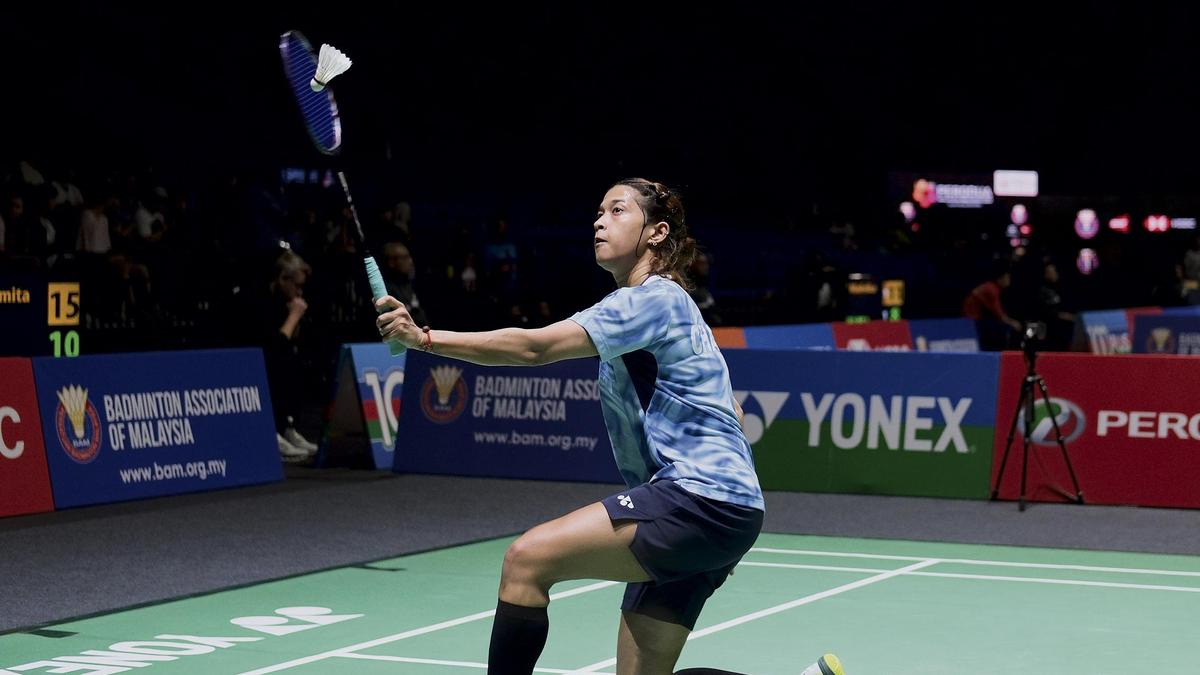
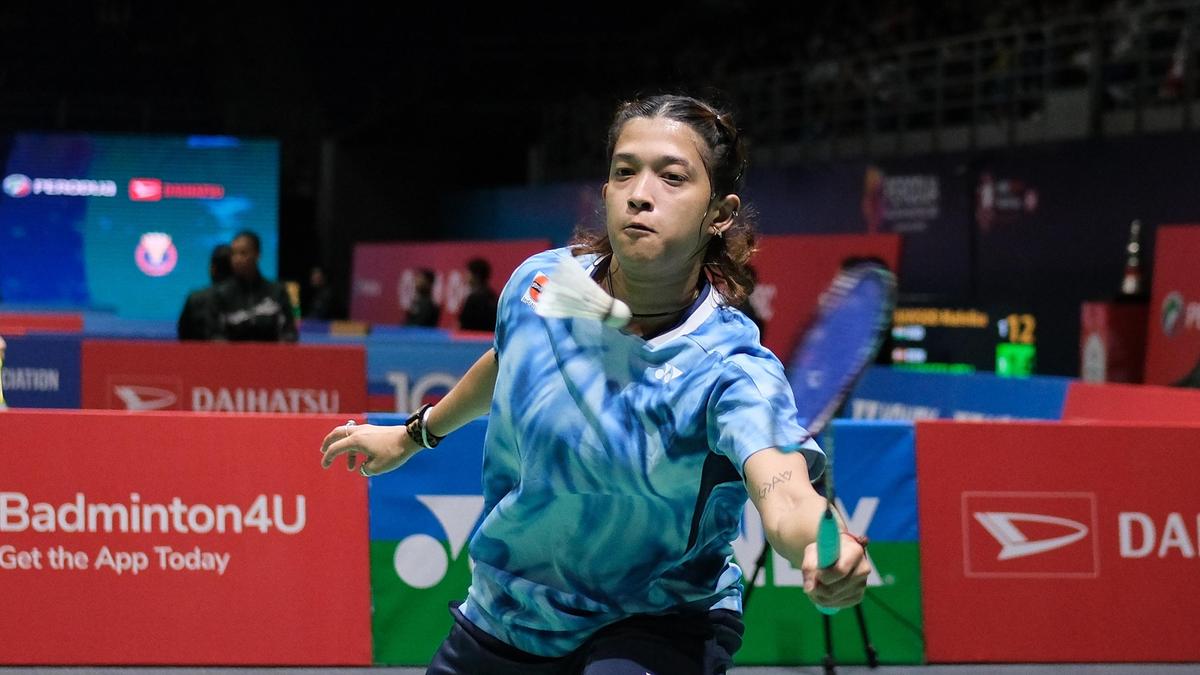
Japan’s Nozomi Okuhara survived a determined challenge from India’s Ashmita Chaliha, winning 21-10, 17-21, 21-16 in a gripping three-game badminton contest. Although Okuhara advanced, Chaliha’s fearless performance made the match far closer than the opening game suggested and underlined the Indian shuttler’s growing confidence on the international stage.
The contest brought together Okuhara’s experience and defensive resilience with Chaliha’s attacking intent and sharp play at the net. The result went to the Japanese star, but the match offered a strong reminder that Chaliha can compete with established names when she maintains her aggression and composure under pressure.
Okuhara Takes Control in the Opening Game
Okuhara made a fast start, moving into a 5-1 lead as she looked to dictate the pace from the back of the court. Her consistency forced Chaliha to work hard for each point, while the Japanese player used her movement and court coverage to keep the rallies under control. Okuhara led 11-6 at the interval.
After the break, the former world champion continued to apply pressure. Chaliha struggled to find a reliable way through Okuhara’s defence, and the Japanese shuttler capitalised on the opening game’s momentum to close it out 21-10. At that stage, Okuhara appeared firmly in command, but Chaliha responded with a significant change in intensity.
Chaliha Finds Her Rhythm to Level the Match
The second game developed into a much more even contest. Chaliha matched Okuhara early, bringing the score to 4-4 before stepping up her pace. The Indian played with greater purpose, using quick exchanges and confident net shots to move her opponent around the court. Her improved control helped her build an 11-5 advantage at the interval.
Okuhara did not allow the gap to grow without a fight. Drawing on her experience in high-pressure badminton matches, she began to recover ground after the interval. A demanding rally, in which both players showed impressive speed and athleticism, helped Okuhara move closer before she eventually levelled the score at 15-15.
The momentum shifted again as the game entered its closing stages. At 16-16, Chaliha found another gear, while a handful of errors from Okuhara gave the Indian an opportunity to pull ahead. Chaliha stayed composed and took the second game 21-17, forcing a deciding game and giving herself a chance to complete a notable victory.
Decider Tests Both Players’ Stamina
Chaliha began the third game positively, taking a 4-2 lead and continuing to challenge Okuhara with her attacking play. The Japanese player responded quickly, turning the score around to lead 7-4. Rather than letting the match slip away, Chaliha stayed close and worked her way back to 9-9.
Okuhara reached the interval with an 11-9 lead, but Chaliha remained within striking distance. The Indian levelled at 12-12 and again at 14-14, extending the contest with her persistence and willingness to take the initiative. Her performance demanded sustained movement and concentration, as Okuhara repeatedly tried to stretch the rallies and draw errors.
In the final stretch, the physical effort began to show. Chaliha’s earlier precision gave way to a few mistakes, allowing Okuhara to create separation on the scoreboard. The Japanese shuttler moved to 20-16 and earned four match points. She converted the first to secure a 21-16 win in the decider and complete the match in three games.
A Valuable Test for India’s Ashmita Chaliha
Despite the defeat, Chaliha’s display was encouraging. She showed that she could adjust after a difficult opening game, challenge a highly experienced opponent and keep the deciding game competitive deep into the contest. Her strongest moments came when she played proactively, especially through fast rallies and precise net work.
For Okuhara, the victory reflected the qualities that have made her one of badminton’s most respected competitors: patience, court coverage and the ability to stay composed when an opponent builds momentum. She had to withstand a significant fightback after dominating the first game, and her ability to regain control late in the decider proved decisive.
The match also highlighted the fine margins that often shape elite women’s singles badminton. Chaliha’s aggressive approach helped her take the second game, but sustaining that level over a full three-game match required considerable physical and mental energy. Against a player as experienced as Okuhara, small errors in the closing points can quickly change the outcome.
French Open Breakthrough Adds Context to Chaliha’s Progress
Chaliha’s performance came after an important breakthrough earlier in the tournament. The 27-year-old Assamese player, then ranked world No. 36, had defeated a triple world champion 21-19, 21-18 in the pre-quarterfinals of the French Open. That result sent her into the quarter-finals of a Super 750 event for the first time.
Reaching the last eight at a tournament of that level was a significant milestone for the Indian shuttler. It demonstrated her ability to deliver under pressure and compete against top-ranked opposition, while also giving her valuable experience against players with long records of success. Her close contest with Okuhara added another demanding test to that progress, even though it ended in defeat.
For Indian badminton, Chaliha’s run offered a positive sign of depth in women’s singles. A strong tournament performance can build confidence, sharpen tactical understanding and help a player identify the areas needed to close out matches against elite opponents. Chaliha’s ability to recover after losing the first game was particularly encouraging, while the deciding game showed how important endurance and consistency remain at the highest level.
Okuhara moved on with the win, but Chaliha left the court with credit for a spirited effort. The three-game battle was a reminder that results do not always tell the full story: against a proven champion, the Indian player showed resilience, ambition and the potential to make further progress on the badminton circuit.