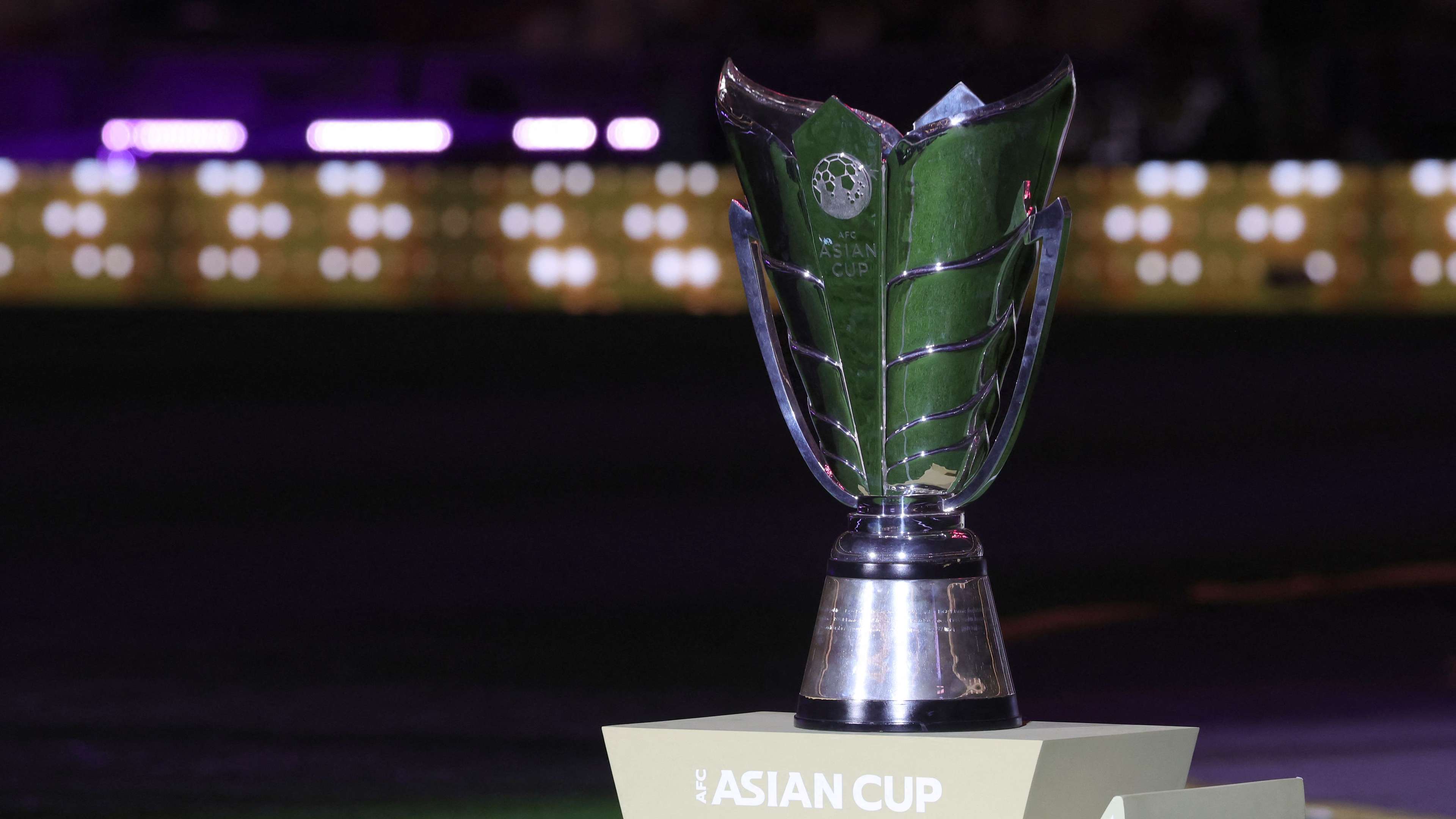

AFC Asian Cup to Move to Even-Numbered Years from 2032
The AFC Asian Cup is set for a major change to its place on the international football calendar. Following approval of amendments to its statutes, the Asian Football Confederation (AFC) will move the tournament from odd-numbered years to even-numbered years, beginning with the 2032 edition.
The decision means the 2027 tournament in Saudi Arabia will be the final Asian Cup held under the current odd-year schedule. The host nation for the 2032 competition has not yet been announced. The change will return Asia’s premier men’s national-team tournament to an even-year cycle for the first time since 2004.
AFC approves governance changes in Tokyo
The amendments were unanimously approved at an extraordinary AFC General Assembly meeting in Tokyo on Friday. Alongside the calendar adjustment, the package includes transitional measures intended to guide the confederation through its next governance period.
The AFC said the changes were developed in response to anticipated adjustments to FIFA’s international match calendar and after consultation with the global governing body. By coordinating the timing of its elections with its major competitions, the confederation aims to make its leadership structure and tournament planning work more effectively together.
For football supporters, a change in the Asian Cup’s timing could affect how the tournament fits into the wider international schedule. National teams, domestic leagues and clubs all need to manage player availability and competition calendars. Aligning the Asian Cup with a revised global framework may help the AFC reduce scheduling conflicts and give teams more clarity as they plan qualification campaigns and preparation periods.
Saudi Arabia’s 2027 tournament marks the final odd-year edition
Saudi Arabia will host the 2027 Asian Cup, which will be the last edition staged in an odd-numbered year under the new arrangements. The next tournament is scheduled for 2032, although the AFC has not yet selected or confirmed its host.
The gap between the 2027 and 2032 editions reflects the transition to the revised cycle. It also gives the confederation time to coordinate the tournament’s future schedule with FIFA’s evolving international calendar. Any eventual decision on the 2032 host will be closely watched by fans and football authorities, as countries across Asia consider the infrastructure, investment and sporting requirements involved in staging a major continental event.
The Asian Cup is the flagship competition for national teams in the region, bringing together established contenders and emerging football nations. Its schedule can influence everything from player workload to the timing of domestic seasons, so the shift is more than a simple change of year. It is part of a broader effort to make the tournament’s place in the international game more predictable.
Why the tournament calendar and AFC elections are linked
A central purpose of the reforms is to keep the AFC’s electoral cycle aligned with the Asian Cup. The confederation says this arrangement will allow its leadership to oversee key stages of tournament planning and delivery during its term, supporting continuity in administrative and operational decisions.
Major competitions require years of preparation, including host selection, venue planning, commercial arrangements, team logistics and coordination with national associations. When leadership terms and tournament cycles are poorly aligned, changes in administration can complicate long-term projects. The AFC’s revised approach is intended to provide a more stable framework for those responsibilities.
In remarks to the General Assembly, AFC President Sheikh Salman bin Ibrahim Al Khalifa described the approval as a step toward strengthening governance. He said the updated rules should remain clear and suitable for the confederation’s needs, while emphasizing transparency, unity and inclusivity as priorities for the next phase of Asian football.
Those principles will matter as the AFC manages both the calendar transition and its upcoming leadership change. The success of the reform will ultimately depend on how effectively the new arrangements support member associations, national teams and the wider football community across the continent.
AFC leadership elections scheduled for 2027
Under the amended statutes, elections for the AFC’s principal leadership positions will take place in 2027. However, those elected will not begin their terms immediately. Their appointments are scheduled to run from 1 January 2028 through 2032.
The current officials, elected for the 2023–2027 period, will remain in office until the end of 2027, completing the terms for which they were chosen. This transition is designed to avoid an abrupt change in leadership while the confederation prepares for the new governance cycle.
The AFC has said it will provide further information about the elections in due course. Details on the process and candidates are likely to draw attention from member associations and observers, particularly because the incoming leadership will serve during a significant period of change for the Asian Cup.
What the change could mean for Asian football
The move to even-numbered years signals a renewed effort to coordinate the continent’s biggest national-team competition with international football’s broader structure. For fans, the immediate focus remains on Saudi Arabia 2027, where teams will compete in the final Asian Cup scheduled for an odd-numbered year. After that, the tournament will enter a new phase, beginning with the 2032 edition.
For teams and administrators, the revised schedule may bring greater certainty, but it will also require careful planning around qualification, player release and domestic competitions. The AFC’s governance reforms are intended to support that process by ensuring leadership terms are better matched to the tournament cycle.
As the confederation prepares to publish more details, the key prediction is that the Asian Cup will become more closely integrated with the international calendar in the years ahead. The 2027 event will therefore carry added significance: it will be both a major showcase for Saudi Arabian football and the closing chapter of the Asian Cup’s odd-year era.