
José Mourinho’s Camp Nou Knee Slide Returns to the Spotlight
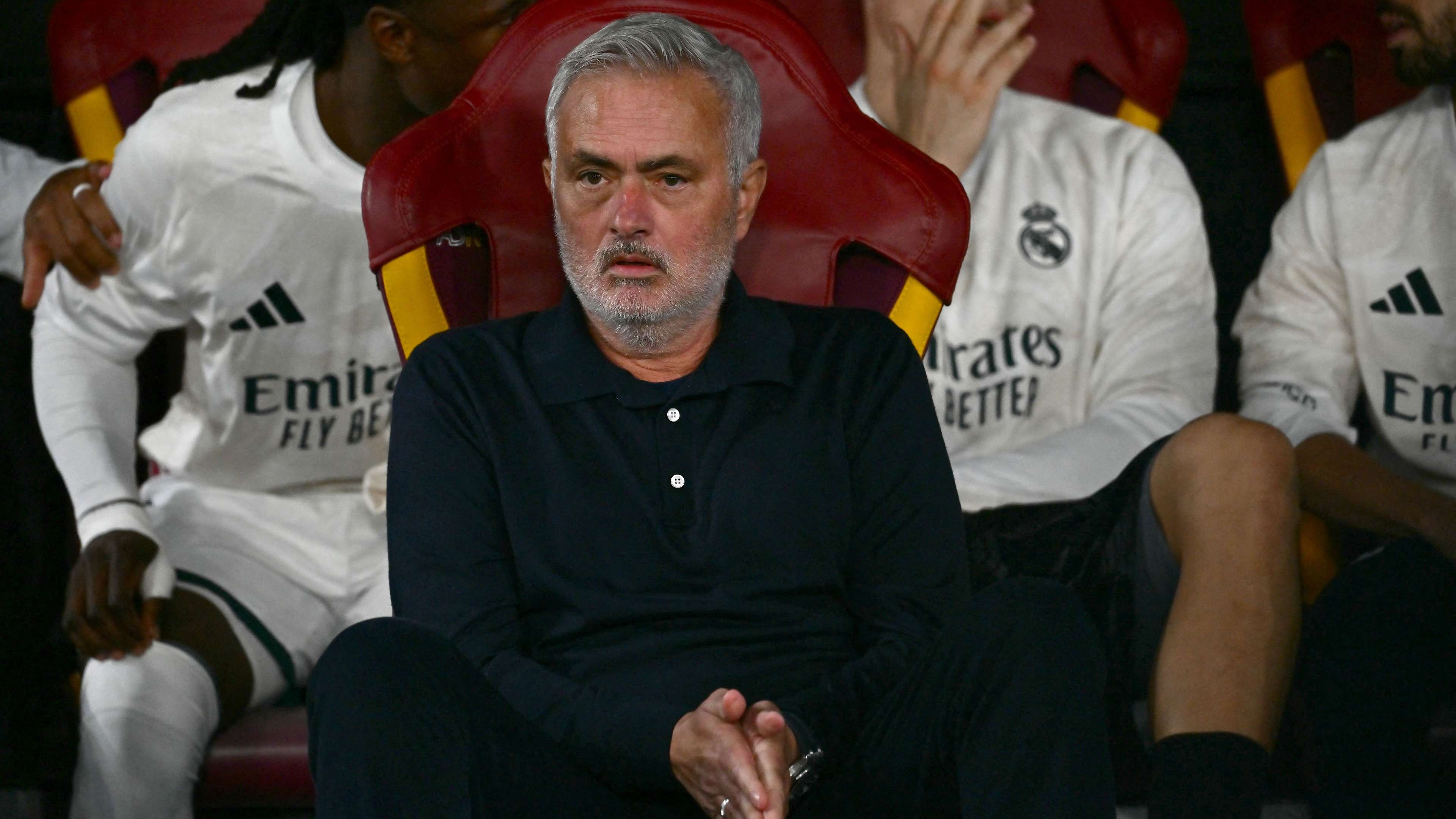
José Mourinho has never needed a quiet entrance. The Portuguese coach is known for turning football into theatre, and one of his most famous performances at the Camp Nou has resurfaced in the wake of the latest Clásico. Nearly two decades after celebrating a dramatic Chelsea goal by dropping to his knees on Barcelona’s pitch, Mourinho repeated the gesture at the same stadium—reviving a moment that remains woven into Champions League folklore.
The celebration was more than a spontaneous reaction. It captured Mourinho’s defiant personality, his long-running rivalry with Barcelona and his ability to make a single image last far beyond the final whistle. In the latest version, he added a playful flourish, sticking out his tongue like Rolling Stones frontman Mick Jagger. The result was a familiar message delivered with a new twist: at the Camp Nou, Mourinho is still comfortable being the centre of attention.
The 2006 Champions League Night That Made the Gesture Famous
The original knee slide came on 31 October 2006, when Barcelona hosted Chelsea in a high-stakes Champions League group-stage match. The two clubs were among Europe’s leading sides, and the contest carried added tension because of Mourinho’s increasingly combative relationship with Barcelona and its supporters.
Barcelona took the lead through Deco, a midfielder who had previously played under Mourinho at Porto. Frank Lampard brought Chelsea level, before former Chelsea striker Eidur Gudjohnsen put the hosts ahead again. Barcelona appeared to be heading for a significant home victory, but Didier Drogba had other ideas.
In stoppage time, the powerful Ivorian forward found the equaliser for Chelsea. Mourinho responded by racing onto the pitch and sliding onto his knees in celebration. It was a bold, theatrical act in one of football’s most charged stadiums—and an image that quickly became one of the defining snapshots of the Mourinho era.
A Match Between Two European Heavyweights
The 2–2 draw reflected the quality and intensity of both teams. Barcelona, managed by Frank Rijkaard, had an attack built around stars such as Ronaldinho and a young Lionel Messi. Chelsea, meanwhile, were a formidable side assembled to compete for the biggest trophies, with Drogba, Lampard, Arjen Robben and Michael Ballack among their standout names.
Chelsea’s performance was especially impressive given the circumstances. First-choice goalkeeper Petr Čech was unavailable after suffering a serious skull injury, so reserve goalkeeper Hilário stepped in. Even without Čech, the London club created plenty of danger and showed the resilience that had made Mourinho’s team so difficult to beat.
The match also carried personal connections. Deco, Barcelona’s scorer, had been a key figure in Mourinho’s Porto side, which won the Champions League in 2004. Gudjohnsen had moved to Barcelona after several successful seasons at Chelsea, adding another familiar face to an already emotionally charged encounter.
Why Mourinho’s Camp Nou Celebration Still Matters
Mourinho’s knee slide became famous because it combined sporting emotion with a pointed sense of provocation. He had criticised the officiating before the match, and the celebration unfolded in front of a crowd that viewed him as an adversary. Rather than tempering his reaction, he embraced the moment and made his triumph impossible to miss.
That willingness to challenge an opponent’s home crowd has been central to Mourinho’s public image throughout his career. His teams have often been organised around discipline, tactical detail and emotional intensity, but the coach himself has supplied the drama. In an era when football clips travel instantly across social media, gestures like his can become as memorable as goals, saves or tactical decisions.
The Camp Nou has also remained a symbolic setting in Mourinho’s story. His visits have repeatedly carried the sense of a personal contest, whether he has been competing in Europe or returning for a high-profile domestic fixture. The stadium is therefore more than a backdrop: it is a stage where old rivalries, past victories and present-day tensions meet.
The Latest Clásico Brings the Moment Full Circle
On 25 October, Mourinho once again went down on his knees at the Camp Nou during the latest Clásico, echoing the celebration from 2006. The repetition gave the scene an unmistakable sense of déjà vu. For supporters who remembered the Chelsea draw, it was a direct callback to a night when Drogba’s late goal and Mourinho’s reaction became inseparable.
This time, the coach added the tongue-out expression associated with Mick Jagger, giving the celebration a rock-and-roll edge. The gesture suggested that he was enjoying the noise and controversy around him, rather than trying to avoid it. It also offered a fresh visual for a rivalry that has produced countless talking points over the years.
There is a practical side to the image, too: dropping onto one’s knees on a hard surface is not an especially comfortable celebration, particularly for a coach no longer in his playing years. But Mourinho’s willingness to repeat the move showed that the moment was not simply nostalgia. It was a deliberate performance, designed to connect his past with the present and to ensure that the cameras—and the fans—noticed.
Football Prediction: What the Gesture Says About Mourinho’s Approach
Any football prediction about Mourinho’s next appearance at the Camp Nou would be incomplete without considering his instinct for theatre. He understands that high-profile matches are shaped not only by tactics and results but also by emotion, symbolism and the stories supporters carry into the stadium. Repeating the knee slide turned a brief celebration into a conversation about history, rivalry and personality.
That does not necessarily predict how his teams will perform in future Clásicos or European ties. Results depend on form, injuries, selection and the tactical balance on the day. But Mourinho’s behaviour suggests he will continue to lean into pressure rather than retreat from it. When the occasion is large enough, he has rarely been content to remain a background figure.
For football fans, the appeal lies in how one gesture can connect two eras. In 2006, Drogba’s late equaliser gave Chelsea a memorable result and prompted Mourinho’s now-iconic celebration. Years later, the same stadium provided the setting for a knowing reprise, complete with a Mick Jagger-inspired flourish. The players, teams and context have changed, but the message remains familiar: Mourinho still knows how to turn a moment into a spectacle.
A Celebration That Became Part of Champions League History
Nearly 20 years on, the knee slide remains a reminder of a match that had everything: elite talent, late drama, old connections and a rivalry charged with emotion. Drogba supplied the decisive moment in 2006, but Mourinho’s reaction helped give the night its lasting image. His return to the same pose at the Camp Nou has now added another chapter to that story.
Whether viewed as a tribute, a provocation or pure entertainment, the celebration captures what makes Mourinho such a compelling figure in football. He does not merely take part in the occasion; he shapes its narrative. And when he drops to his knees at the Camp Nou, even for a second, the past comes rushing back.