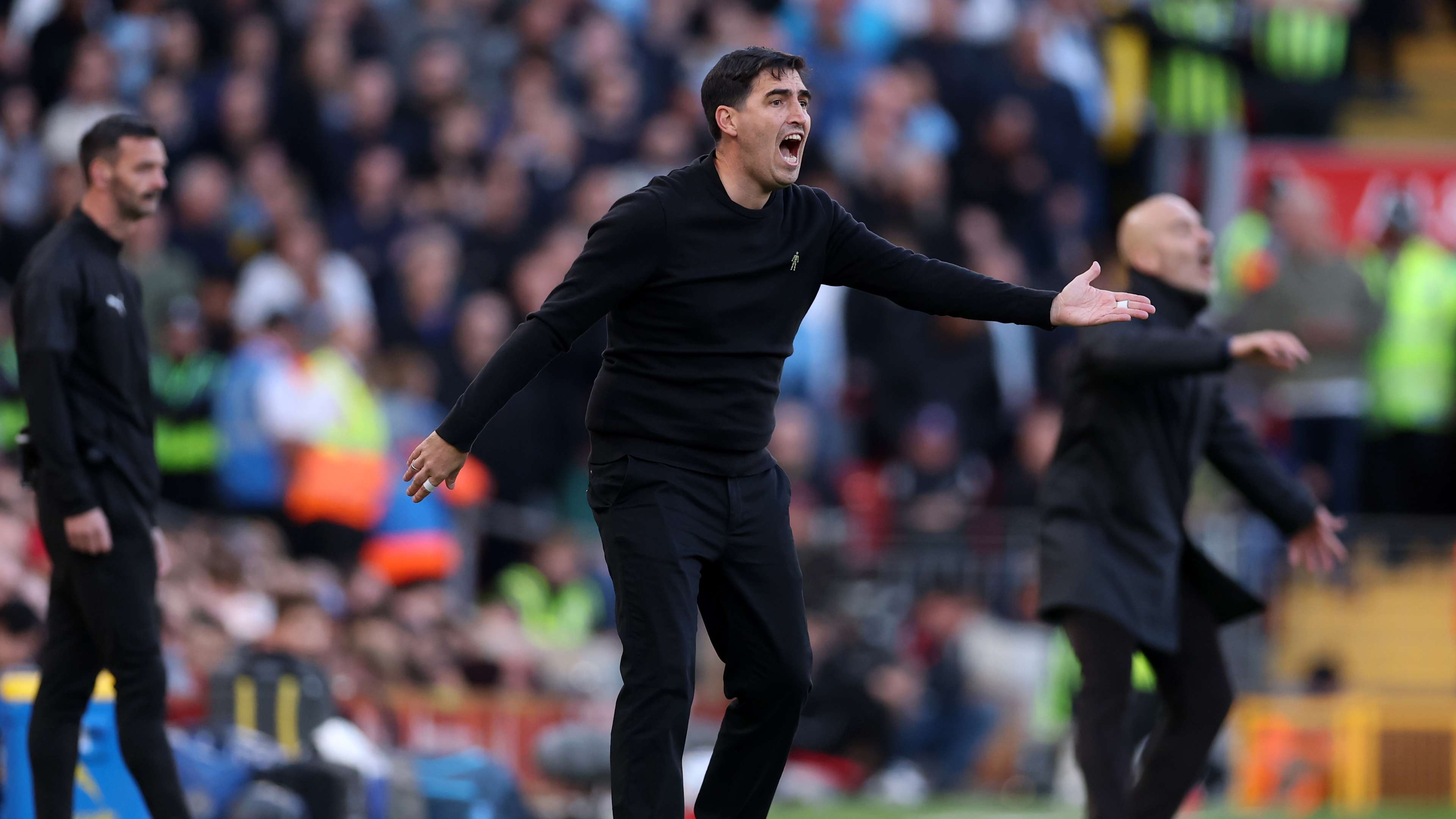

AC Milan’s Third Straight Away Draw Raises Fresh Questions About Amorim’s Progress
AC Milan’s latest trip ended with another draw—and another reminder that promising performances do not always translate into results. After a convincing victory over Lecce on 20 September, the Rossoneri appeared to be moving in the right direction under Amorim. But a frustrating 1–1 result against Sassuolo at the Mapei Stadium, 20 days later, left the coach with more concerns than encouragement.
The away draw was Milan’s third in succession on the road, extending a run that is beginning to feel less like an isolated setback and more like a pattern. The team showed enough quality to suggest it could control the contest, yet a costly lapse allowed Sassuolo to take advantage. Milan then struggled to find the urgency and precision needed to turn a point into three.
A Promising Lecce Performance Now Feels Further Away
Milan’s win over Lecce had offered a welcome glimpse of what Amorim’s tactical plan might become. The team looked sharper in possession, more coordinated in its movement and better equipped to progress the ball through the middle of the pitch. It was a marked improvement on the uneven displays against Juventus, Lazio and Benfica, when Milan often appeared short of rhythm and conviction.
That performance raised expectations. Supporters had reason to believe the coach’s ideas were beginning to take hold, particularly in the way Milan moved between phases of play and sought to create attacking opportunities. The Sassuolo match, however, exposed how fragile that progress may still be. Rather than building on the Lecce result, Milan delivered a performance that felt like a step backwards.
Football teams rarely improve in a straight line, especially during a period of tactical change. Even so, the contrast between the Lecce victory and the Sassuolo draw was striking. Milan again showed that it can produce stretches of composed, technically strong football—but it has yet to make that level dependable across a full match.
Slow Start, Strong Spell and a Sudden Defensive Lapse
The match followed an unpredictable pattern. Milan began slowly, allowing Sassuolo to settle into the contest and making it difficult to establish control from the opening minutes. The visitors gradually found their footing, though, and produced more than 40 minutes of impressive football. During that spell, they moved the ball with greater confidence and appeared capable of taking charge of the game.
But momentum can disappear quickly. Just as Milan seemed to have steadied itself, a sudden defensive lapse gave Odenthal the opportunity to score. The goal changed the mood of the match and placed Milan under pressure to respond. For a side that had looked composed for a long stretch, the concession was a damaging interruption—and a reminder that one moment of inattention can outweigh many minutes of good work.
Milan’s reaction was the more troubling part. The Rossoneri did not collapse, but they also failed to turn their possession and territory into a sustained push for victory. Their attempts to recover the lead lacked the sharpness required to unsettle Sassuolo consistently. The team had enough time to respond, yet its attacking play did not build into the kind of late pressure that might have changed the outcome.
Why the Away Draw Matters
A draw on the road is not automatically a poor result. Away fixtures can be difficult, and earning a point may have value over the course of a long season. The concern for Milan is the repetition: three consecutive away draws suggest that the team is struggling to convert competitive performances into wins when playing outside its home stadium.
That pattern matters for both the league campaign and the wider assessment of Amorim’s work. A team with ambitions of challenging near the top cannot rely solely on home form. It needs to find ways to manage difficult away matches, protect leads or recover effectively after conceding. Milan’s performance against Sassuolo highlighted uncertainty in each of those areas.
The result also raises a question about game management. Milan looked capable of controlling the contest for much of the match, but it could not preserve that advantage once Sassuolo struck. Then, when the game demanded a more aggressive response, the visitors struggled to produce a clear and consistent attacking threat. That combination—an avoidable concession followed by an insufficient reaction—is what made the draw feel like two points dropped.
Amorim’s Tactical Ideas Still Need Consistency
There were positive signs in Milan’s stronger spell, and it would be premature to dismiss the progress shown against Lecce. Amorim is still shaping the side, and tactical adjustments take time to become second nature. Players must learn when to press, how to support the ball carrier and where to position themselves when possession changes hands. Those details can determine whether a team’s promising structure holds up under pressure.
Against Sassuolo, Milan’s uneven start and the lapse before Odenthal’s goal suggested that the system is not yet producing consistent concentration across 90 minutes. The team can look fluent when its passing and movement click, but it remains vulnerable when the rhythm breaks. Improving that resilience may be just as important as refining the attacking patterns that were visible against Lecce.
The next challenge for Amorim is to help Milan turn encouraging spells into complete performances. That means starting matches with greater intensity, staying alert when the opposition shifts momentum and responding with purpose after setbacks. It also means finding more reliable ways to create high-quality chances when a game becomes tight.
AC Milan Prediction: A Point That Feels More Like a Warning
For Milan fans looking ahead, the Sassuolo draw offers a mixed prediction for the weeks to come. The team has demonstrated that it can play attractive, technically assured football, so there is a foundation for improvement. But until those displays become more consistent, confidence in the Rossoneri’s ability to dominate away games will remain cautious.
The immediate lesson is clear: Milan cannot afford to treat a strong 40-minute spell as evidence that a match is under control. Against Sassuolo, one lapse erased much of the good work, and the response never reached the level needed to secure a comeback or a late winner. If Amorim can address the slow starts, sharpen the team’s defensive focus and bring greater urgency to its attacking play, the recent draws could become a temporary phase rather than a defining trend.
For now, though, Milan’s third consecutive away draw leaves the glass looking half empty. The Lecce win showed what the team might become; the Sassuolo result showed how far it still has to go. The challenge is no longer simply to produce flashes of progress, but to sustain them long enough to turn promise into points.