
Eric Dier’s Monaco Revival Shows How a Change of Scenery Can Transform a Career
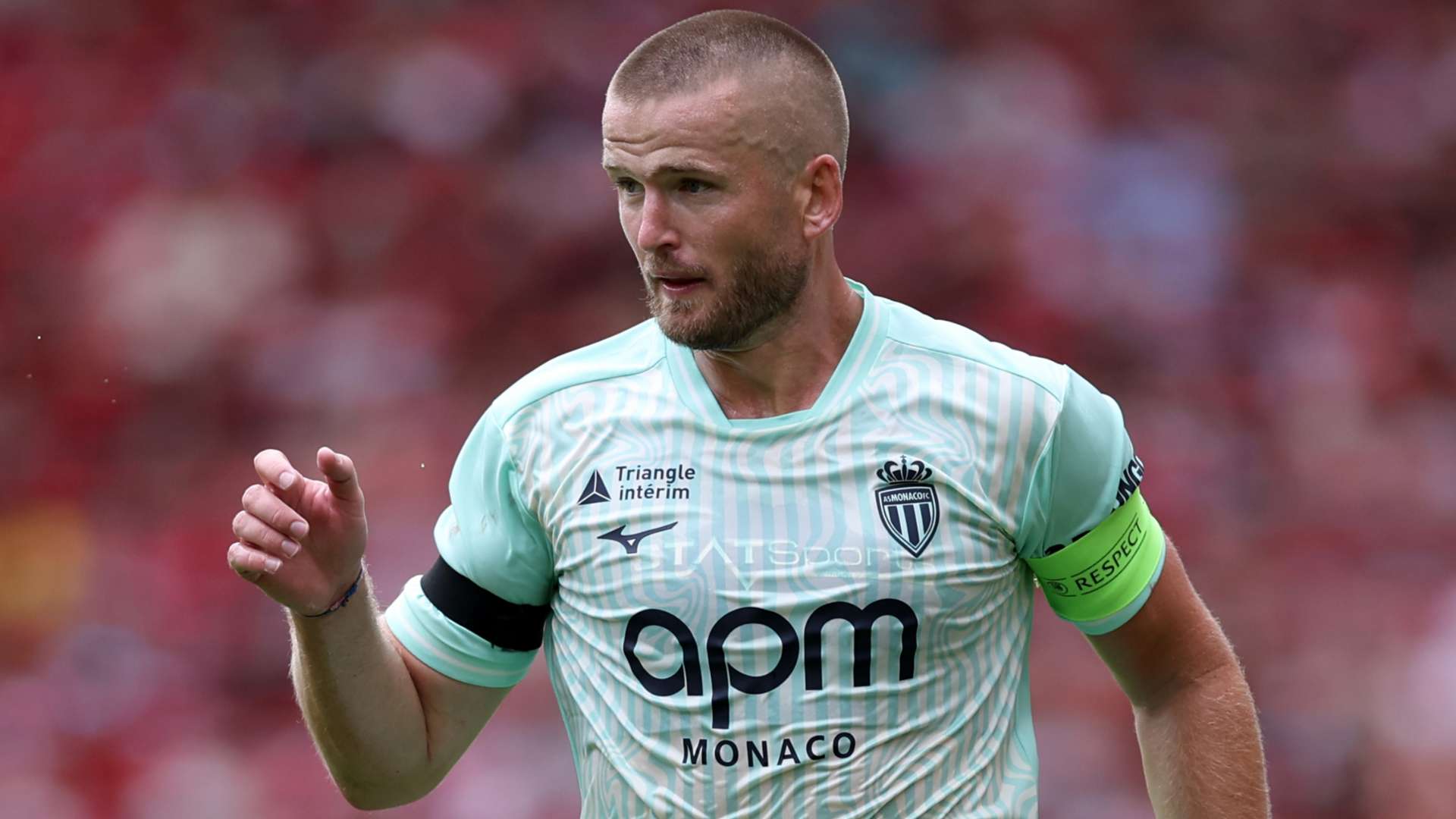
Eric Dier’s resurgence at Monaco is a reminder that a football career is rarely defined by one difficult spell. Once criticised during his time in England, the former Tottenham Hotspur defender has found a fresh platform in Ligue 1, where his experience and adaptability are earning renewed appreciation.
His progress has also highlighted the unusual character of Monaco, a club operating in a famously intimate football environment despite competing at the highest level. Former Monaco player Gilles Grimandi described the principality as perhaps “the only place in Europe where the players know the fans and the fans don’t know the players”. The remark captures a distinctive contrast: a close-knit football community surrounded by a glamorous international destination.
From Tottenham Scrutiny to a Fresh Start in Ligue 1
Dier spent much of his senior career in the spotlight at Tottenham, where expectations were high and performances were regularly assessed against the demands of the Premier League. He played in several positions, including central defence and midfield, but that versatility could also make it difficult for him to settle into one clearly defined role. As the club’s needs and tactical plans changed, criticism followed.
That English chapter does not tell the whole story. Dier arrived at Monaco with extensive experience in elite competition, a record of playing under pressure and an understanding of what demanding dressing rooms require. In a new setting, those qualities have become valuable assets. Rather than being judged only on the frustrations of his final period in north London, he has had the chance to demonstrate what he can contribute now.
His revival is not simply a matter of moving to a different league. It reflects the importance of fit: the relationship between a player’s strengths, a team’s needs and the environment around them. At Monaco, Dier has been able to bring calm, positional awareness and leadership to the defensive unit. Those qualities can be particularly important for a side balancing domestic ambitions with the pressure of competing against established Ligue 1 rivals.
Why Dier’s Experience Matters to Monaco
Defenders are often judged by visible moments: a decisive tackle, a clearance under pressure or a mistake that leads to a goal. Yet much of the role involves less obvious work. Reading danger early, communicating with teammates, maintaining the defensive line and choosing when to step forward can all shape a match without producing a highlight reel.
Dier’s experience across English football and international competition gives Monaco a player familiar with those demands. His ability to operate centrally and adapt to different defensive tasks can provide coaches with useful options, particularly across a long season when injuries, suspensions and changes in form test squad depth. For younger teammates, the presence of a seasoned professional may also offer practical guidance during difficult stretches.
That does not mean experience alone guarantees success. A defender must still meet the pace and tactical requirements of each fixture, and consistency remains essential. But Dier’s recent progress suggests that the qualities once overshadowed by criticism can still have a meaningful role when deployed in the right context.
Monaco’s Unusual Football Identity
Monaco is unlike most major European football destinations. The club represents a small principality rather than a large city, and its surroundings are better known internationally for luxury, tourism and major events than for a vast local supporter base. That creates a distinctive atmosphere around the team and helps explain Grimandi’s observation about the unusual relationship between players and fans.
The comment should not be read as a dismissal of Monaco supporters. Instead, it points to the club’s particular scale and visibility. Monaco competes in a major national league and attracts players from across the world, yet it operates in a community where the football operation can feel more contained than at clubs based in much larger cities. Players may become familiar figures within that environment, while the wider public may be less immersed in the day-to-day lives of the squad.
This setting can have advantages. A comparatively focused environment may allow players to concentrate on training and performance, away from some of the constant scrutiny associated with the biggest football capitals. At the same time, Monaco must continue to build a strong connection with supporters and make its football identity visible beyond the principality. Results, recognisable players and compelling stories such as Dier’s can all help strengthen that connection.
What Dier’s Story Means for His Future
For Dier, the Monaco spell offers an opportunity to reshape the conversation around his career. A successful period in France can show that a player’s value is not fixed by past criticism or by the circumstances of a departure from one club. Footballers often move through different phases: a role that once suited them may change, a team’s priorities may shift, and a new coach or system can reveal strengths that were previously less visible.
The key test will be whether Dier can sustain his level over time. Monaco’s ambitions require dependable performances, especially in matches where defensive organisation is tested by quick transitions and technically gifted opponents. If he continues to combine concentration with leadership, he can become an important part of the club’s plans rather than merely a short-term addition.
His development is also a useful reminder for supporters assessing players through the lens of a single league. The Premier League’s pace and exposure can intensify both praise and criticism, but a move abroad may offer a different tactical challenge and a chance to reset. Dier’s experience shows why a change of scenery can matter—not because it erases previous struggles, but because it creates new conditions in which a player can respond.
Football Prediction: Monaco’s Defensive Stability Could Be Decisive
Any football prediction about Monaco’s prospects should account for the balance between attacking ambition and defensive reliability. The club’s ability to challenge strong Ligue 1 opponents will depend not only on goals and individual creativity, but also on how consistently it protects leads, manages pressure and limits space in transition. Dier’s experience could contribute to those areas, particularly in closely contested fixtures where organisation makes the difference.
Still, one player cannot determine a team’s season alone. Monaco will need collective discipline, healthy competition for places and contributions across the pitch. Dier’s revival is best viewed as one encouraging part of a broader project: a veteran defender finding renewed purpose at a club with a distinctive identity and the ambition to compete at the top level.
For now, his story offers a compelling football narrative: a player who faced doubts in England has found a new opportunity in France, while Monaco continues to stand apart from the usual image of a major European club. If Dier maintains his form, the principality’s unusual football world may prove to be exactly the setting in which his late-career renaissance can continue.