
Barcelona vs Real Madrid: Predicted Line-Ups, Tactical Questions and El Clásico Prediction
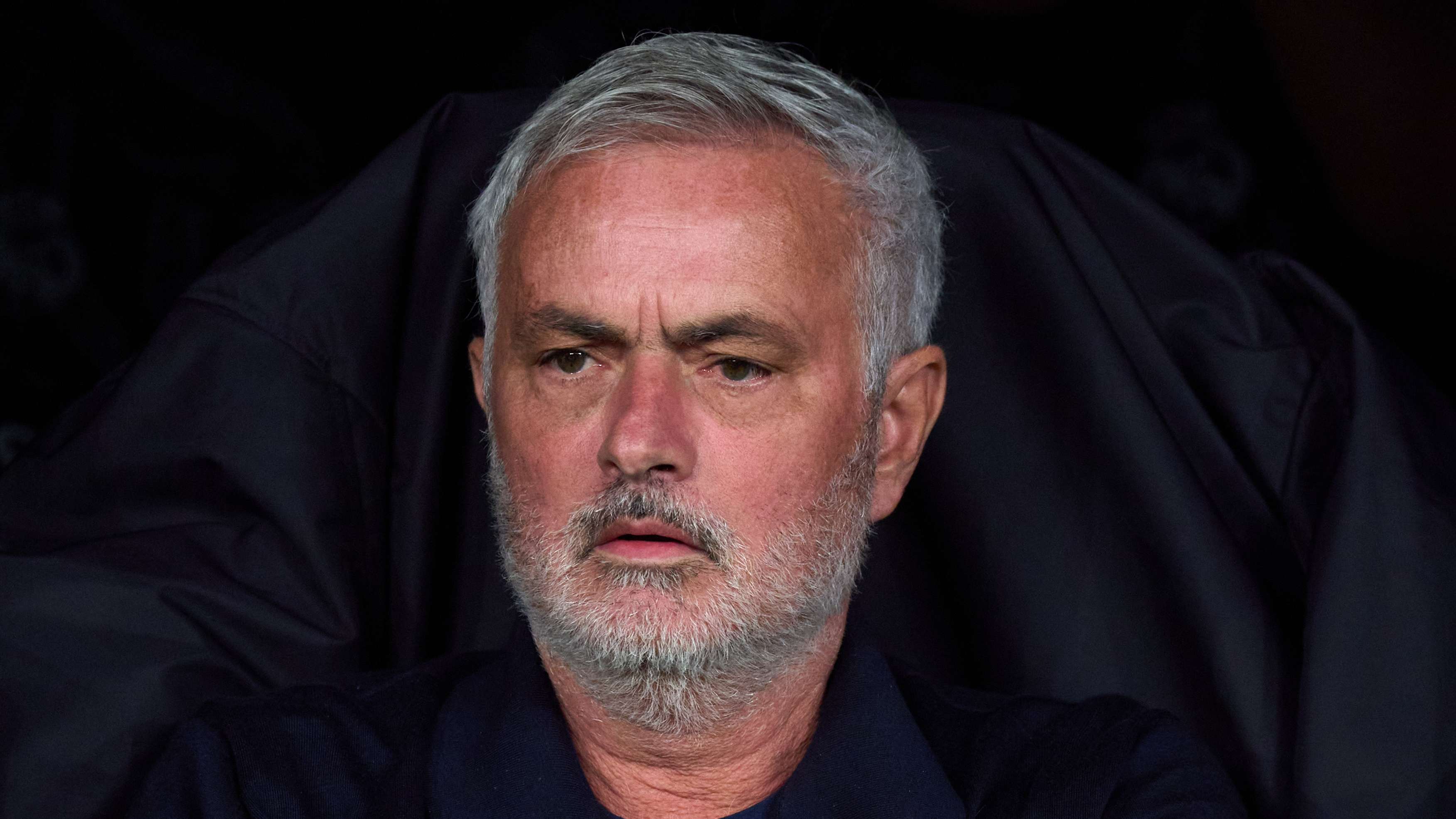
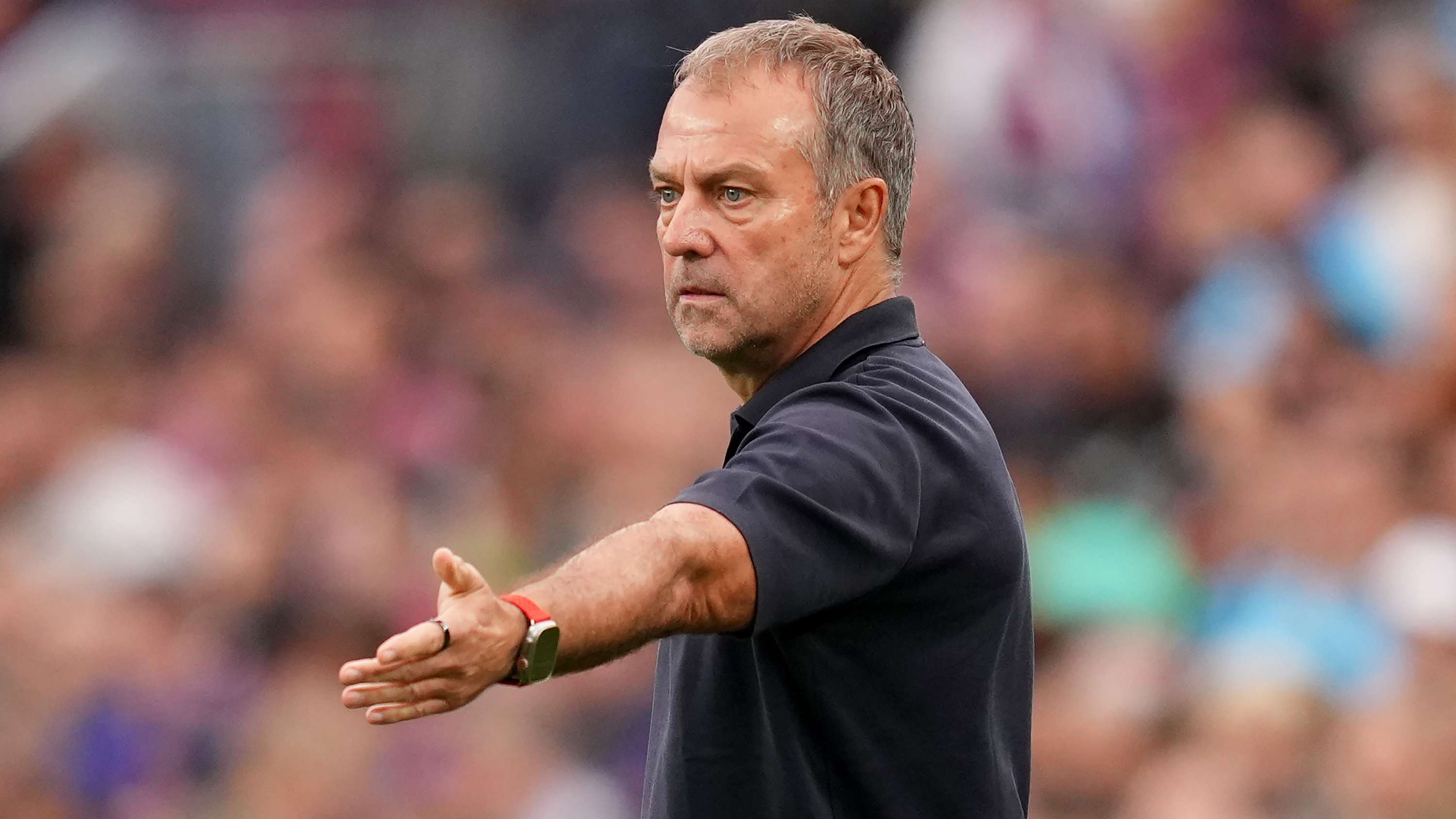
Barcelona and Real Madrid meet in another high-stakes El Clásico, with the spotlight falling not only on the players but also on the decisions facing Hansi Flick and José Mourinho. Injuries, suspensions and recent tactical experiments have left both managers with important choices to make before kick-off.
Spanish newspaper Mundo Deportivo has outlined a possible Barcelona starting XI, while AS has identified three potential Real Madrid formations. At the centre of Madrid’s selection debate is Federico Valverde, whose recent performances at right-back have given his coach a useful alternative—but also created a midfield dilemma.
For supporters following the latest football team news, the projected line-ups offer clues about how the contest could unfold. Barcelona may look to control possession through midfield, while Madrid’s shape could depend on whether Valverde is used to strengthen the defence, add energy in the middle or provide width in attack.
Barcelona’s predicted line-up: Familiar defence, midfield reshuffle
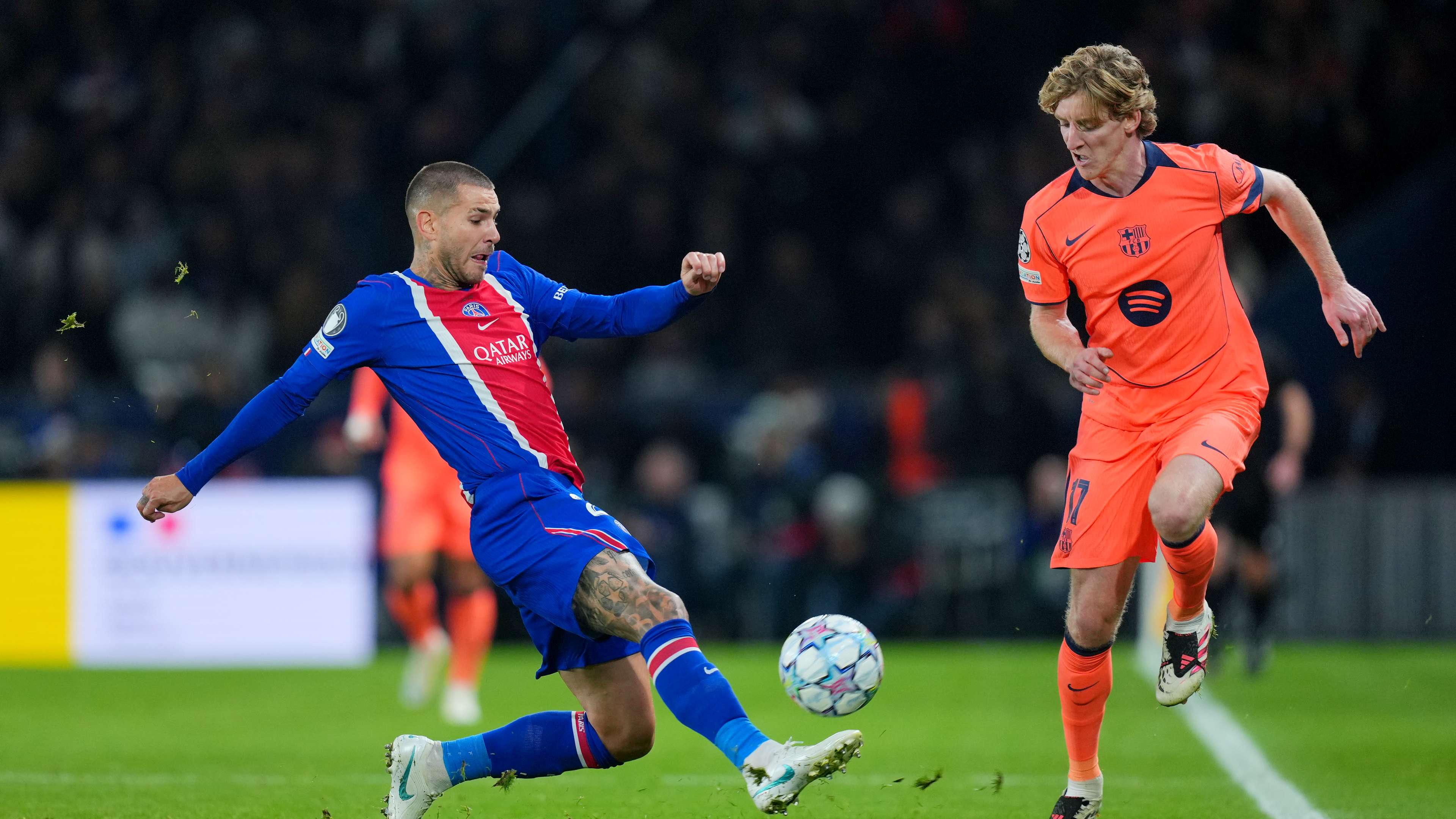
According to Mundo Deportivo, Flick is expected to retain much of the defensive structure used against Paris Saint-Germain. Barcelona’s injury concerns have limited his options, with Jules Koundé, Eric García and Andreas Christensen reportedly unavailable. The absences could make continuity more important than experimentation.
Marc Casadó is tipped to start at right-back, with João Cancelo on the opposite side. Pau Cubarsí and Gerard Martín are expected to form the central defensive partnership. That combination would give Barcelona a blend of youth and composure, although Madrid’s pace in transition could put the back line under pressure if the hosts commit too many players forward.
In midfield, Rodri and Pedri are projected to operate as the deeper pair, with Fermín López positioned ahead of them. The arrangement would offer Barcelona a balance of ball retention, defensive protection and forward movement. Fermín could be especially important in finding space between Madrid’s midfield and defence, a zone that often decides the rhythm of an El Clásico.
Dani Olmo is reportedly sidelined by an injury to his left adductor muscle, leaving Flick to consider alternatives in the attacking midfield role. Fermín’s energy and willingness to make late runs could help compensate, though his profile differs from Olmo’s ability to dictate play in tight areas.
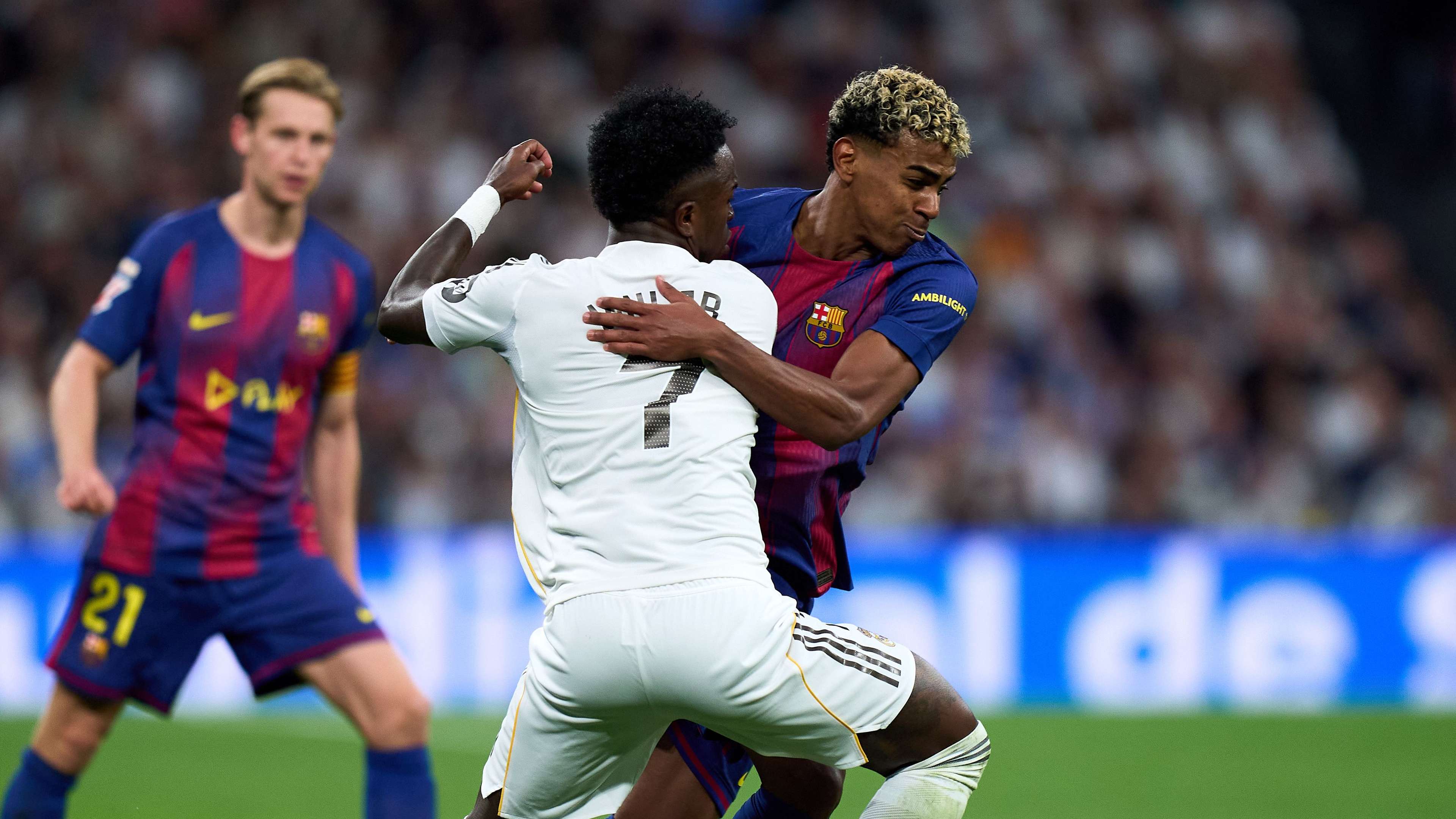
Lamine Yamal is expected to start on the right wing, where his close control and direct dribbling could test Madrid’s defensive shape. The left-sided position appears less certain, with Anthony Gordon and Karim Adeyemi reportedly among the candidates. Raphinha is tipped to lead the attack, but Flick could also move him to a flank and introduce Gabriel Jesus as a more conventional centre-forward.
Valverde’s role shapes Real Madrid’s options
Real Madrid’s predicted XI is less straightforward. AS describes three possible plans, each built around Valverde’s position. The Uruguayan has impressed at right-back in recent matches, particularly after his early midfield partnership with Aurélien Tchouaméni struggled to deliver the desired balance.
The most likely scenario, according to the newspaper, keeps Valverde at right-back. That would preserve the defensive arrangement that has recently worked while leaving two attacking or midfield places to be decided among Arda Güler, Bernardo Silva and Endrick. The final choice would depend on whether Mourinho prioritises creativity, pace or an extra presence in the centre.
A second option would return Valverde to midfield alongside Tchouaméni. Güler could then move to the right wing, with Denzel Dumfries brought in at right-back. This plan would restore Valverde’s influence in the engine room but would ask the defence to adapt to a different full-back combination.
The third possibility places Valverde on the right wing, with Güler alongside Tchouaméni in midfield. That would leave the natural right-back candidates competing for the defensive role. Such a move could give Madrid additional running power out wide, though it might reduce the team’s ability to use Valverde’s stamina and tackling centrally.
At centre-back, Ibrahima Konaté is expected to start, with Dean Huijsen and Antonio Rüdiger competing for the other place. Huijsen is reported to have the edge based on his number of starts this season. Thibaut Courtois is tipped to begin in goal, while Marc Cucurella is projected at left-back.
Jude Bellingham is expected to operate in an advanced midfield position, supporting an attack featuring Güler, Kylian Mbappé and Diomande. Vinícius Júnior is reportedly unavailable through suspension, a major absence that could change Madrid’s usual attacking balance and increase the responsibility on Mbappé to lead the forward line.
Predicted Barcelona vs Real Madrid line-ups
Barcelona
Goalkeeper: Joan García
Defence: Marc Casadó, Pau Cubarsí, Gerard Martín, João Cancelo
Midfield: Rodri, Pedri, Fermín López
Attack: Lamine Yamal, Raphinha, Anthony Gordon
Real Madrid
Goalkeeper: Thibaut Courtois
Defence: Federico Valverde, Ibrahima Konaté, Dean Huijsen, Marc Cucurella
Midfield: Aurélien Tchouaméni, Bernardo Silva, Jude Bellingham
Attack: Arda Güler, Kylian Mbappé, Diomande
El Clásico prediction: Midfield control could prove decisive
This football prediction is difficult to separate from the uncertainty surrounding both teams’ selections. Barcelona’s projected midfield could provide control and technical quality, but its effectiveness will depend on whether Rodri and Pedri can limit Madrid’s counterattacks. If Barcelona’s full-backs advance aggressively, the space behind them may become a target for Mbappé and Madrid’s wide players.
Madrid, meanwhile, must decide whether Valverde’s best contribution comes from the back, the centre or the wing. Keeping him at right-back may offer the clearest defensive structure, while moving him into midfield could help the visitors compete for second balls and disrupt Barcelona’s passing rhythm. His versatility gives Mourinho options, but each choice comes with a trade-off.
Barcelona may have the advantage in possession, particularly if Pedri finds room to dictate play. Madrid could be more dangerous when the game opens up, especially through quick transitions and Bellingham’s late arrivals near the penalty area. With Vinícius reportedly suspended and several attacking roles still in contention, the visitors may need a more collective approach than usual.
Ultimately, the match could hinge on the first goal and the coaches’ response from the bench. Barcelona will want to impose its passing game, while Madrid may look for moments to attack quickly. The predicted line-ups point to a close contest, and the most reliable pre-match expectation is a competitive, tactically flexible encounter rather than a one-sided result. Final team selections, fitness updates and late changes should be checked before kick-off.