
Saudi Arabia Scrap December Training Camp After AFC Asian Cup Postponement
Saudi Arabia’s preparations for the next AFC Asian Cup have taken an unexpected turn after the tournament was postponed, prompting the national team to cancel a planned training camp and two proposed friendly matches. The change gives coach Georgios Donis a revised schedule to manage as he continues building the squad for one of Asian football’s biggest competitions.
The Asian Football Confederation confirmed on Tuesday that the Asian Cup, originally scheduled to begin in January 2027, will instead kick off in December 2027. The shift moves the tournament by roughly 11 months and has forced national teams to reconsider their preparation plans, including Saudi Arabia’s end-of-year program.
Khobar camp and friendlies called off
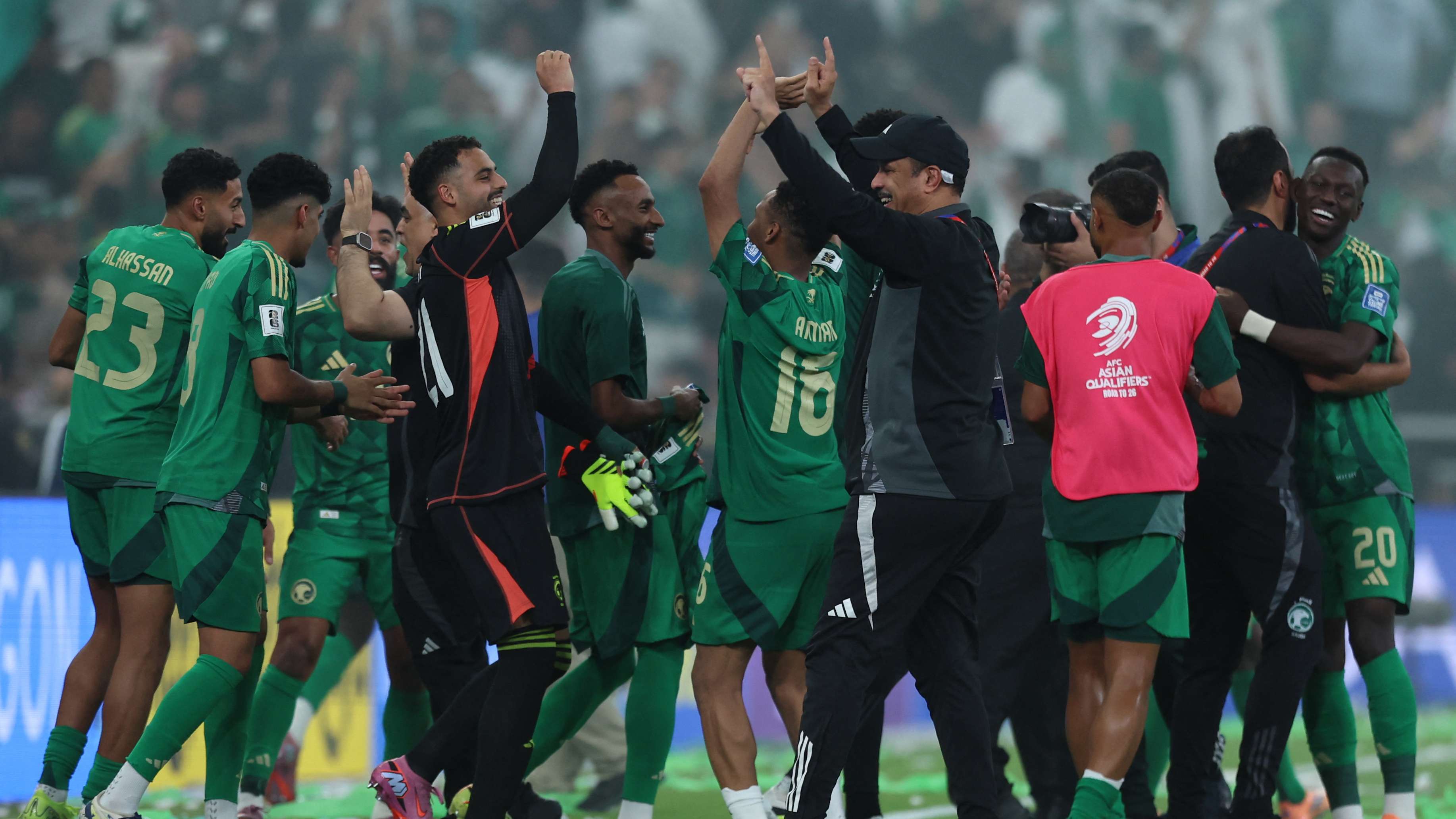
According to Saudi newspaper Arriyadiyah, Donis has cancelled a training camp that had been planned for Khobar from 21 December to 3 January. The camp was intended to give the Saudi squad valuable time together, combining training sessions with two international friendlies against Qatar and Palestine.
With the Asian Cup no longer approaching in January 2027, the December gathering no longer fits the team’s immediate preparation timeline. The proposed matches have also been removed from the schedule. For the players, the decision means a change to their expected international commitments at the end of the year; for Donis, it means adjusting the pace and timing of the team’s longer-term build-up.
Such changes are a familiar challenge in international football. National teams must coordinate their plans with domestic leagues, player availability and the international calendar. When a major tournament moves, camps and friendlies arranged around its original dates can lose their purpose or create unnecessary demands on players.
Saudi Pro League fixtures may fill the calendar
The cancellation could give the Saudi Roshn League more room to schedule domestic fixtures during the period previously reserved for the national team. Rather than working around a lengthy camp and international matches, league organizers may be able to spread games across a wider range of dates.
That flexibility could benefit clubs by easing pressure on a crowded calendar, although the final impact will depend on how the league adjusts its fixture list. Saudi Arabia’s leading clubs feature many players who are important to the national side, so the relationship between club commitments and international preparation remains an important factor for Donis.
A less congested schedule may also give players more time to recover between matches. However, it removes an opportunity for the national squad to train together and test combinations against international opposition. The coaching staff will therefore need to make the most of future camps to maintain cohesion and assess players ahead of the Asian Cup.
November camp remains on the schedule
Saudi Arabia still has a significant international window to look forward to before the cancelled December camp. The team is due to assemble from 8 to 17 November, with friendlies against South Korea on 13 November and Uzbekistan on 17 November.
Those fixtures should provide Donis with a useful measure of the squad’s progress. South Korea and Uzbekistan are established Asian opponents, offering different styles of play and a demanding test for Saudi Arabia’s defence, midfield and attacking options. The matches will also give the coach a chance to evaluate players in competitive conditions rather than relying solely on club performances.
For supporters following every Saudi Arabia football prediction and team update, the November matches will be the clearest near-term indicator of Donis’s direction. Friendly results do not determine a team’s prospects on their own, but performances can reveal how well the side presses, transitions between defence and attack, and handles opponents with strong technical ability.
A longer runway for Donis and Saudi Arabia
The Asian Cup postponement changes the immediate timetable, but it also gives Saudi Arabia more time before the tournament begins. That additional runway could allow Donis to assess a broader group of players, develop tactical consistency and make gradual adjustments rather than rushing preparations around a January deadline.
More time is not automatically an advantage, however. Coaches must keep a squad focused through an extended build-up, while players face competition for places and the demands of their club seasons. Saudi Arabia will need a carefully planned sequence of camps and fixtures to ensure the team continues to progress despite the revised tournament date.
The November friendlies therefore take on added importance as the next confirmed opportunity to bring the squad together. They will not replace the cancelled Khobar camp, but they can help maintain momentum and provide Donis with practical information about the players available to him.
For now, the Saudi team’s end-of-year plans have been simplified: the December camp and the matches against Qatar and Palestine are off, while the November gathering against South Korea and Uzbekistan remains in place. As the Asian Cup’s new December 2027 start date approaches, Saudi Arabia will have to reshape its preparation calendar around the changed schedule—and turn the extra time into a clear competitive advantage.