
KL Rahul’s 136 in Wellington Rewards Months of Preparation for New Zealand Test Cricket
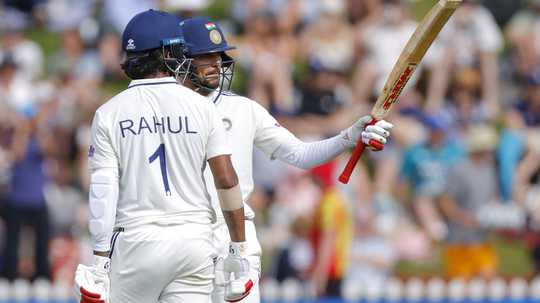
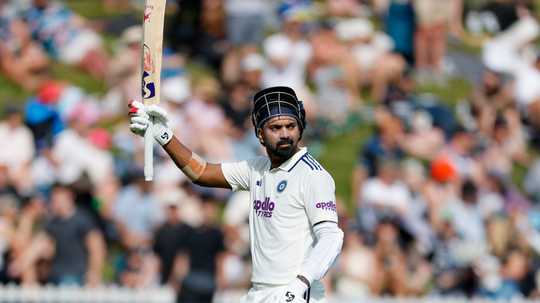
KL Rahul’s first Test innings in New Zealand was not simply a matter of finding form at the right moment. The India opener had spent months preparing for the challenge, studying how successful batters handled the country’s demanding conditions and shaping a game plan around his own strengths. On Day 3 of the Wellington Test, that work produced a composed 136—and a place in a notable piece of cricket history.
Rahul became only the second Asian opening batter, after Pakistan’s Saeed Anwar, to score a Test century in all four SENA countries: South Africa, England, New Zealand and Australia. The milestone reflected both the breadth of his international career and the value of preparation in unfamiliar conditions, where movement off the pitch and through the air can test even experienced batters.
A New Zealand challenge months in the making
Speaking after his innings, Rahul said he had been thinking about playing Test cricket in New Zealand for six or seven months. He had long wanted the opportunity to test himself against the country’s bowling attacks, particularly because New Zealand has historically been a difficult place for visiting batters to score freely.
Rahul had not played red-ball cricket in the country before the Wellington match, so he arrived early to become more familiar with the conditions. That decision gave him time to adjust to the environment and prepare for the specific demands of a first Test appearance there. His approach offers a useful reminder that success in international cricket often begins well before the first ball: preparation can help a player enter a difficult contest with clearer expectations and greater confidence.
“When you play Test cricket for that long, when you finish your career, you want to at least get that opportunity to challenge yourself in different countries and play against the best attacks,” Rahul explained. He said he wanted to make the most of his chance, having hoped to play in New Zealand earlier in his career.
Studying successful batters and building a personal game plan
Part of Rahul’s preparation involved reviewing footage from recent Test series in New Zealand. He asked analysts to share examples of batters who had scored runs at the country’s grounds, including England’s Joe Root and Harry Brook. Rahul also looked at performances by visiting teams such as Australia and the West Indies.
The purpose was not to copy another player’s technique or shot selection. Instead, the footage helped him see that there is more than one way to succeed in challenging conditions. Brook’s aggressive style, for example, was different from the approach Rahul believed would suit him, but it demonstrated that a batter could find scoring options even when conditions were difficult.
That observation helped replace the idea that New Zealand was an impossible place to bat with a more practical question: what plan would work for him? Rahul discussed that with his coach, and the pair spent four or five months working through the details. The result was a strategy based on clarity rather than imitation—a key distinction for players preparing for unfamiliar venues.
For fans following cricket prediction and match analysis, Rahul’s innings also underlines why recent form alone may not tell the whole story. A batter’s record in a country, preparation time, role in the batting order and ability to adapt can all influence what happens in a Test. Those factors are worth considering alongside conditions and opposition when assessing a player’s prospects.
Returning to the opening role
Rahul also credited his return to opening with helping him rediscover a more settled rhythm. For roughly 15 to 18 months, he had batted in the middle order. That period changed the way he approached his innings, and moving back to the top required deliberate work in the nets.
He focused on reconnecting with the basics of opening: being patient, judging the ball carefully and not feeling compelled to play at everything. Rahul said he sometimes tried to face fewer balls in practice, reinforcing the discipline required to leave deliveries and make bowlers work for a mistake.
He had also learned by watching other openers, including former England captain Alastair Cook. From the slips, Rahul observed how Cook left plenty of deliveries and encouraged bowlers to keep testing him. The lesson was simple but demanding: a Test opener does not have to score from every opportunity. Often, the ability to defend well and wait for the right ball is what creates scoring chances later.
As Rahul noted, the fundamentals can be among the hardest parts of batting. With more experience, he has returned to those principles and found them increasingly useful. His Wellington century showed how patience and preparation can work together: the runs came, but so did the discipline to let the innings develop.
A narrow escape and a moment of relief
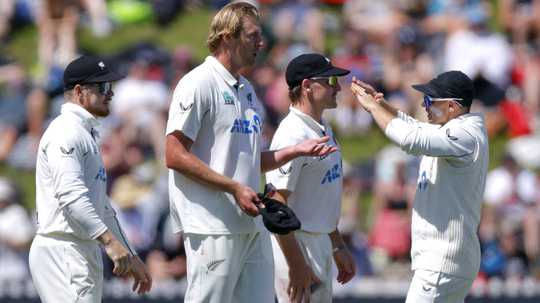
Rahul’s innings might have ended early on Day 2 after New Zealand fast bowler Matt Henry appealed for lbw. The hosts chose not to review the decision, although ball-tracking later indicated that the delivery would have hit the stumps. It was a significant moment in the match, and Rahul admitted the wait while New Zealand considered its options felt unusually long.
When asked whether he owed captain Tom Latham a hug for not reviewing, Rahul jokingly gave some of the credit to Glenn Phillips. Phillips had insisted that Rahul had hit the ball, while Rahul himself thought the delivery may have struck him outside the line of off stump. He said he hoped the fielders would listen to Phillips during the brief discussion.
The episode was a reminder of how fine the margins can be in Test cricket. A decision lasting only seconds can shape an entire innings, particularly when a batter is still establishing himself at the crease. Rahul’s survival gave him the chance to settle and eventually turn his start into a landmark century.
Experience, improvement and the work still ahead
Asked what had changed in the previous two years as his Test average improved, Rahul initially gave a straightforward answer: he had scored more runs. But he later explained that his preparation and work ethic had remained consistent since earning his Test cap. The difference, he said, came through experience, adjustments to his game plan and a better understanding of the mistakes he needed to correct.
Rahul did not describe his progress as a complete transformation. Instead, he pointed to gradual learning: recognising how he was thinking about the game, refining his approach and responding to technical or tactical problems. That perspective is important in a format where form can fluctuate and improvement is often built through small changes rather than a single dramatic fix.
His 136 in Wellington was therefore more than a personal milestone. It was the outcome of detailed research, a carefully considered return to the opening role and the patience to trust a plan against challenging conditions. Rahul has made clear that he believes there is still more to accomplish. For India, and for followers of international cricket, his performance offers an encouraging example of how preparation can turn an unfamiliar Test challenge into an opportunity.