
Real Madrid’s Loss to Atletico Madrid Sparks Intense Debate and Reveals Deeper Issues
The recent defeat of Real Madrid in the capital derby against Atletico Madrid was more than just a setback; it exposed significant underlying problems within the illustrious La Liga giants. The 2-1 loss not only impacted their standing in the league but also ignited a heated discussion about the team’s current form, tactical approach, and leadership dynamics. As fans and pundits analyze this pivotal moment, understanding the root causes becomes essential for predicting the team’s future and their prospects in both domestic and European competitions.
Beyond the Refereeing Controversy: Unpacking the Real Issues
In the immediate aftermath of the match, much of the discourse centered on controversial refereeing decisions that seemed to favor Atletico Madrid. However, football analysts and former players like Claude Makelele believe that the real story lies elsewhere. According to Makelele, the issues plaguing Madrid extend far beyond refereeing calls—they are deeply rooted in the team’s internal cohesion and tactical approach.
Speaking to “ESPN” and elaborating in comments carried by the French football news website “Foot Mercato,” Makelele emphasized the disconnect between the players and the coaching staff. He pointed out that the lack of understanding and communication on the pitch is a clear sign of deeper problems that need urgent attention.
Clash of Communication and Strategy: The Core Problems
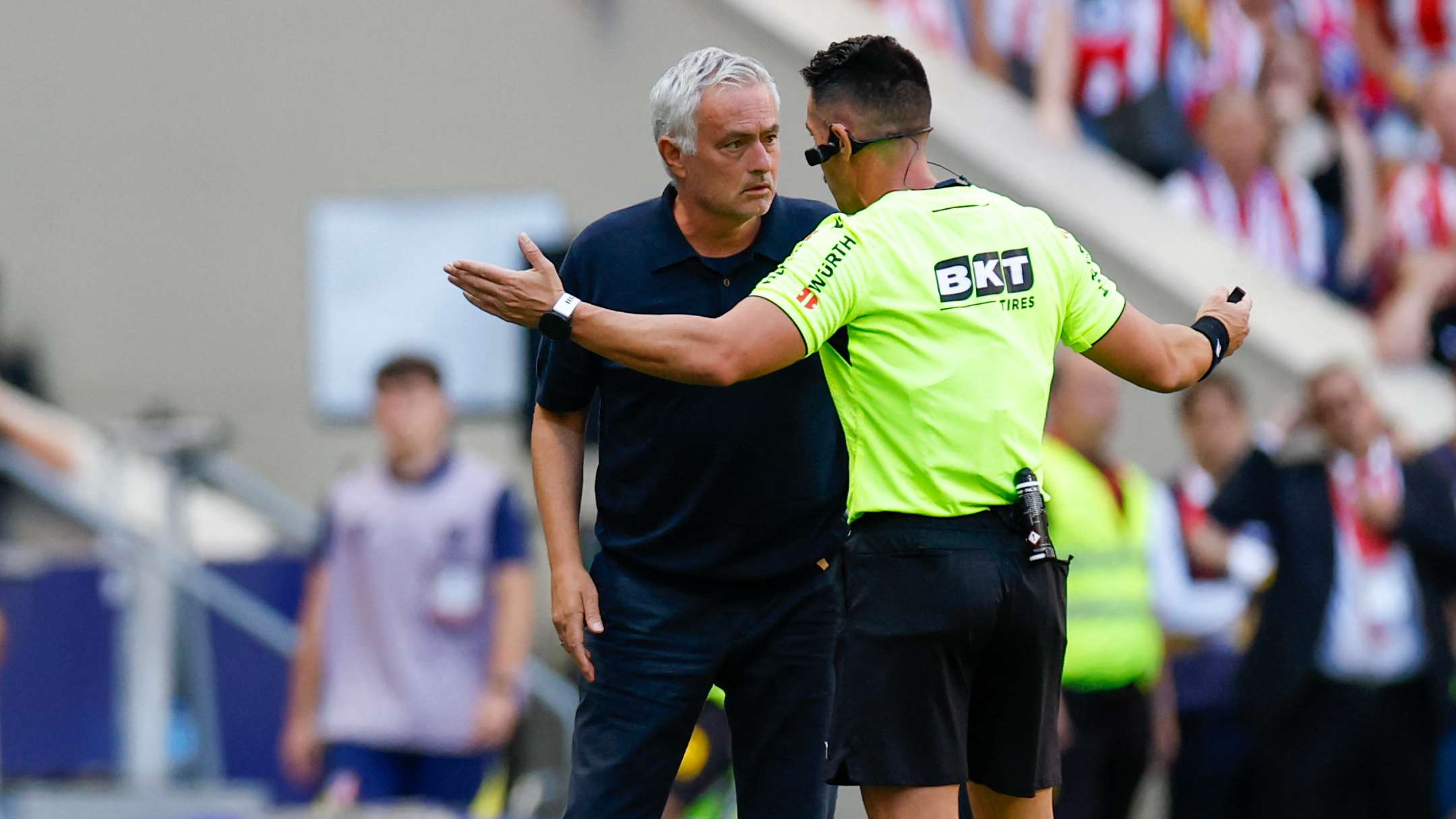
Makelele’s assessment highlights a fundamental issue: the absence of a cohesive game plan. He stated, “There is no understanding between the players, and there is no understanding between the players and the coach. Mourinho needs to talk to them.” This statement underscores the importance of effective communication in high-level football, especially for a club with Madrid’s ambitions.
Furthermore, Makelele described the team as “weak,” suggesting that the players are lacking the mental resilience and tactical discipline required to compete at the highest level. The absence of a clear, adaptable game plan appears to be a critical factor behind their recent struggles. Without a strategic blueprint, even the most talented players can flounder under pressure, and this seems to be the case with Los Blancos at present.
Implications for La Liga and the Title Race
The loss to Atletico Madrid was not just a defeat on the pitch—it had significant implications for the La Liga title race. With Barcelona extending their lead to six points following their recent victories, Real Madrid’s chances of reclaiming the league crown are now under threat. The current form raises questions about whether Madrid can mount a serious challenge in the remaining fixtures, or if they need to rethink their approach entirely.
As the season progresses, prediction models and expert analyses will scrutinize Madrid’s ability to bounce back. The club’s ability to address these internal issues and reinforce their tactical framework will be crucial for their upcoming matches, including key fixtures against Villarreal and other top contenders.
The Role of Management and Player Dynamics
One of the most pressing concerns is the relationship between the coaching staff, led by José Mourinho, and the players. Mourinho, renowned for his tactical acumen and leadership, is under pressure to motivate and unify his squad. However, critics argue that there is a disconnect that hampers overall performance.
In football prediction circles, the importance of strong management and player cohesion cannot be overstated. A team’s success hinges on harmony between its components—players understanding their roles, trusting their coach’s vision, and executing tactics seamlessly. If these elements are missing, even star-studded lineups will struggle to deliver results.
Looking Ahead: Strategies for Rebuilding Confidence and Performance
For Real Madrid to regain their competitive edge, a multi-faceted approach is essential. First, improving communication channels between players and coaching staff is paramount. This could involve team-building exercises, tactical workshops, and open forums for dialogue.
Secondly, implementing a clear and flexible game plan tailored to the strengths of the squad will be vital. This means not only refining tactical setups but also ensuring players understand their roles and responsibilities on the pitch.
Finally, mental resilience must be prioritized. Football prediction experts often emphasize the importance of psychological preparedness, especially after setbacks. Madrid’s leadership needs to foster a culture of confidence, resilience, and collective responsibility.
Conclusion: A Critical Juncture for Real Madrid
The recent defeat to Atletico Madrid served as a wake-up call for Real Madrid, revealing deep-seated issues that go beyond refereeing controversies. The lack of understanding within the team, combined with tactical frailty and communication gaps, threatens their ambitions for both the La Liga title and European success.
Predicting the outcome of Madrid’s season now involves assessing how effectively they address these internal challenges. Will they be able to turn things around and restore their dominance? Or will these issues persist, hampering their chances in the upcoming fixtures? Football fans and analysts will be closely watching as Madrid navigates this critical phase, with strategic adjustments and renewed focus potentially shaping the trajectory of their campaign.