
Real Madrid Could Have Signed Lionel Messi Before His Barcelona Breakthrough, Former Scout Claims
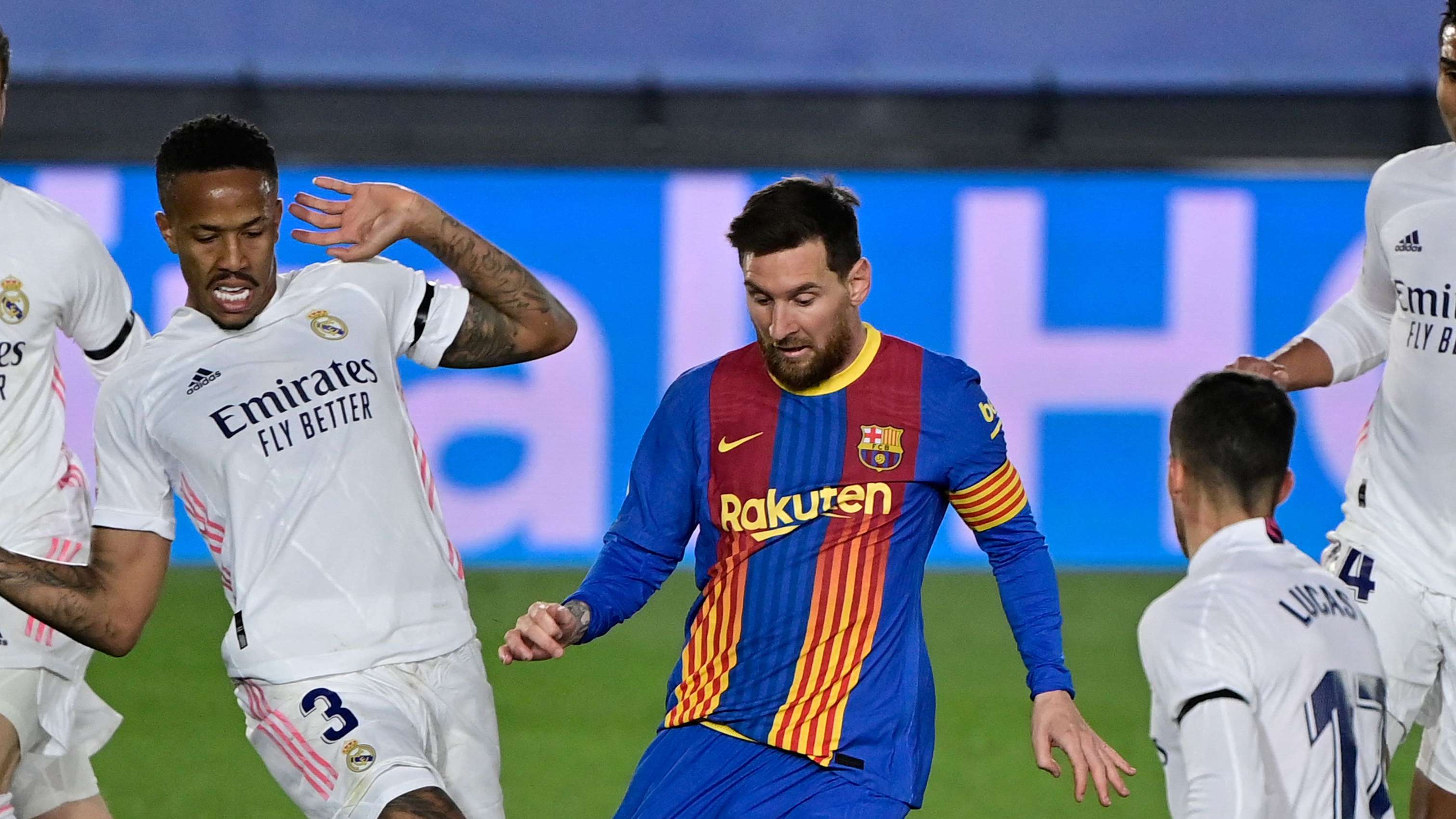
Lionel Messi’s legendary career is inseparable from Barcelona, where he developed from a gifted teenager into one of football’s most decorated players. But a new account from former Real Madrid talent scout Miguel Ángel Portugal has revived an intriguing question: could the Argentine have joined Madrid before signing his first professional contract with Barcelona?
Portugal says the possibility emerged in 2001, when Messi was still a young prospect and negotiations over his future at Barcelona had not been settled. Speaking in an interview with AS, later reported by Mundo Deportivo, the former Madrid player, coach and technical secretary recalled that information about a potential move reached the club.
His account does not establish that a formal transfer offer was made, or that Messi was close to leaving. Instead, it describes a possible opening that Madrid chose not to pursue fully. Even so, the story offers a fascinating glimpse into the scouting decisions and relationships that can shape football history.
How the Messi-to-Real Madrid possibility emerged
According to Portugal, Messi had yet to sign a professional contract with Barcelona when someone close to the player suggested that a move to Real Madrid might be possible. The circumstances created a narrow window in which Madrid could at least consider approaching the young forward.
“There was a moment when we could have moved to sign him,” Portugal said, explaining that Barcelona and Messi were still working through the terms of a contract renewal. He added that the information reached Madrid and that there was some degree of contact or “rapprochement” between the parties.
Portugal was careful not to present every detail as certain. He said he could not confirm whether the approach was entirely genuine, but maintained that the opportunity had existed in some form. That distinction matters: the story points to a possible transfer scenario, not a completed negotiation or a deal that was definitively rejected by Messi.
Madrid’s reluctance, Portugal suggested, was influenced by the relationship between the two Spanish giants. The club did not want to damage its ties with Barcelona by making a move for one of its most promising young players. Portugal also believes Messi himself would have been unwilling to cross that divide out of respect for the relationship between the clubs.
A transfer that could have changed football history
In hindsight, the idea of Messi wearing a Real Madrid shirt is difficult to imagine. He joined Barcelona’s youth system as a boy, progressed through La Masia and made his first-team debut in 2004. Over the following years, he became the defining player of the club’s modern era, winning major domestic and European honours and establishing a historic rivalry with Madrid’s Cristiano Ronaldo.
A transfer in 2001 would have altered far more than one player’s career path. It could have changed Barcelona’s sporting identity, Madrid’s recruitment strategy and the shape of the rivalry that dominated European football for more than a decade. But such counterfactuals remain speculation: Portugal’s recollection does not show that Messi was ready to leave, or that Madrid could have matched the circumstances Barcelona offered.
The episode also highlights how quickly a young player’s future can depend on factors beyond ability. Contract timing, family advice, club relationships and a player’s sense of loyalty can all influence a decision. In Messi’s case, Barcelona’s commitment to developing him became central to a partnership that lasted until his departure in 2021.
Portugal’s other notable scouting recommendations
Messi was not the only major name Portugal discussed. Looking back on his work at Madrid, he said the club had tracked Neymar and Philippe Coutinho and that recommendations to sign them were recorded in its archives. His comments suggest that Madrid’s scouting network had identified both Brazilian talents early, although a scouting report is not the same as a completed transfer negotiation.
Portugal also recalled watching Toni Kroos when the German was 16. At that stage, Kroos was playing in an advanced playmaking role. Portugal said he had told the teenager that Madrid already held reports on him. Kroos eventually joined the Spanish club in 2014 after establishing himself at Bayern Munich and winning the World Cup with Germany.
Luka Modrić was another player Portugal remembered following. He described the Croatian as physically slight early in his career, while noting how much he developed during his time in England with Tottenham Hotspur. Modrić later became a key figure at Madrid, helping the club win multiple major trophies and earning the Ballon d’Or in 2018.
Portugal also tracked Robinho as a youngster in Brazil, including during the Copa São Paulo youth tournament. He praised the forward’s distinctive skill and creativity, while drawing a contrast with Vinícius Júnior. In Portugal’s view, Vinícius is especially dangerous when accelerating past defenders, whereas Robinho stood out for his imagination and technical flair.
What the story says about scouting and transfer prediction
Portugal’s recollections offer a reminder that elite scouting is not simply about spotting talent. Clubs may identify a player years before he reaches the first team, yet still miss out because of timing, finances, competition or uncertainty over whether the player is ready to move. A report can point toward a future star, but turning that prediction into a successful transfer requires a separate set of decisions.
Modern clubs use extensive data, video analysis and international scouting networks to evaluate prospects. Yet the central challenge remains familiar: judging how a teenager’s skills, mentality and physical development will translate to senior football. Portugal’s examples—from Kroos and Modrić to Neymar, Coutinho and Messi—show how long those evaluations can precede a player’s peak.
Whether Madrid truly could have signed Messi in 2001 may never be known. Portugal’s account leaves room for uncertainty, while making clear that the possibility was discussed within the club. What is certain is that Messi’s career followed a different path: Barcelona became his home, and the missed opportunity remains one of football’s most compelling transfer “what if” stories.