
Robert Maaskant Takes Charge of Tuvalu’s National Football Team
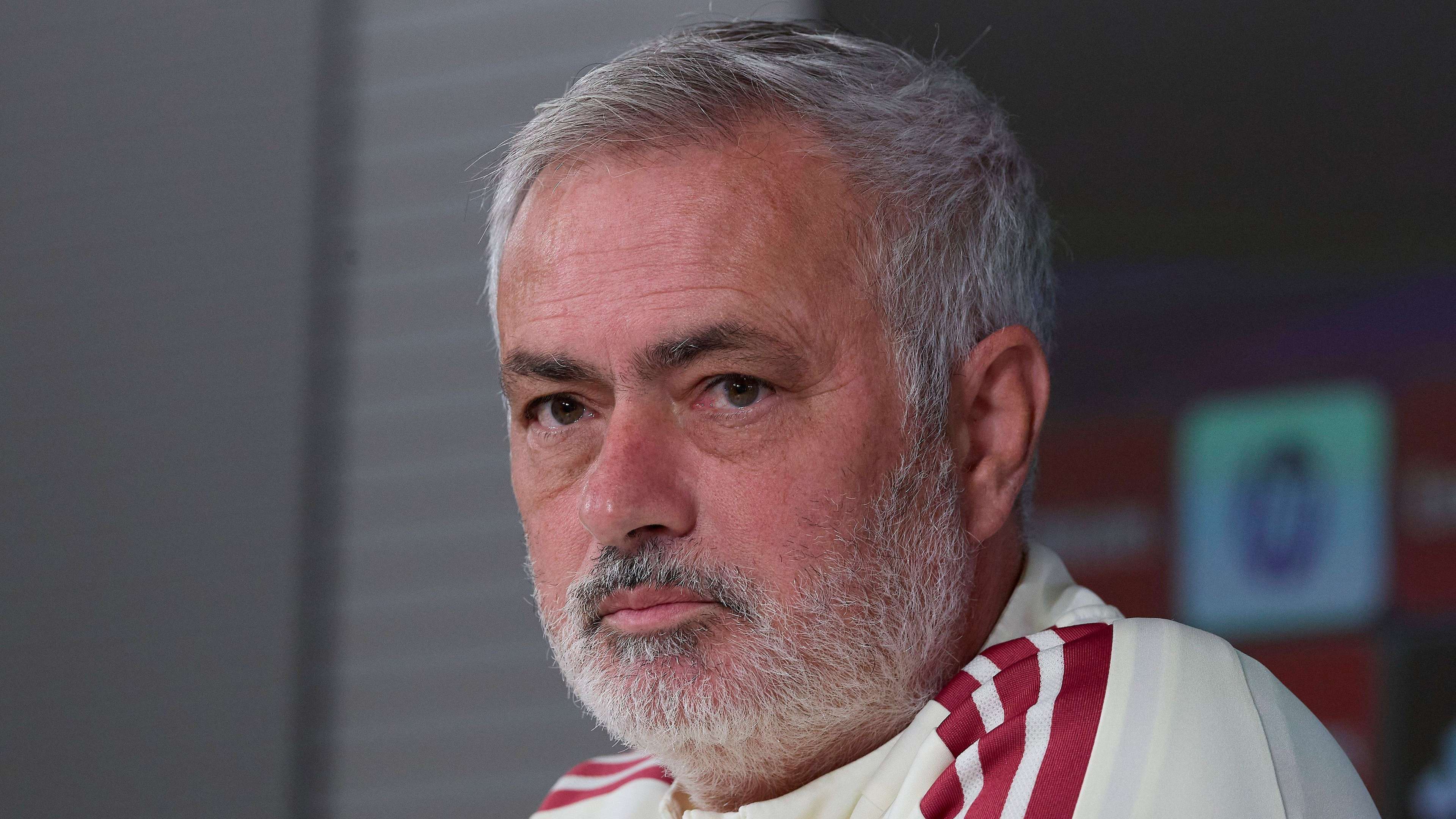
Dutch coach Robert Maaskant has officially been presented as the new head coach of Tuvalu’s national football team, taking on a role that combines sport, international adventure and a message about the Pacific island nation’s future. The 57-year-old was introduced in Roosendaal on Wednesday, where he discussed his coaching staff, the challenges facing Tuvalu and the unusual terms of his appointment.
Maaskant’s decision to lead the team drew attention when it was announced last month. Tuvalu, a small collection of islands in the Pacific Ocean north of Fiji, is not a conventional destination for an established European coach. But Maaskant says the opportunity appealed to him for reasons beyond football—and not because of a salary.
A Coaching Role Without a Salary
At his presentation, Maaskant dismissed speculation that financial rewards had motivated him to accept the job. He said people had suggested that he must be taking the position for money, but joked that there was little basis for that assumption: he will not receive a salary. His travel and other expenses will be covered, while the coaching work itself is unpaid.
That arrangement makes the appointment unusual in professional football, where coaching positions are typically linked to a contract and regular compensation. For Maaskant, however, the appeal lies in the experience and the chance to contribute. The project offers an opportunity to work in a distinctive football environment while helping raise awareness of issues that extend far beyond the pitch.
“I Like an Adventure”
The path to the Tuvalu job began last summer, when Michiel van der Werf, the Tuvalu Islands Football Association’s technical director, approached Maaskant. The coach said he did not need long to consider the offer. He was already familiar with the work of former Tuvalu national team coach Foppe de Haan, and the prospect of a new challenge resonated with him.
“I like an adventure,” Maaskant explained, describing football as a way to see the world and connect with people in different places. His appointment reflects a broader role the sport can play for smaller nations: national teams can help build identity, bring communities together and create a platform for international visibility, even when resources are limited.
Tuvalu’s football programme operates far from the major leagues and international spotlight. That makes the project less about immediate results or a high-profile prediction of tournament success and more about developing the team, strengthening local involvement and creating sustainable opportunities for players and coaches. Maaskant’s experience will be tested not only by tactics and training, but also by the practical realities of working across distance, limited infrastructure and a very different sporting landscape.
Football and Tuvalu’s Climate Challenge
A central part of the project’s significance is the environmental threat facing Tuvalu. Rising sea levels, linked to climate change, pose serious risks to the low-lying Pacific nation. The issue has drawn growing international attention as communities across the region confront coastal erosion, flooding and the possibility of losing habitable land.
Maaskant said that concern helped shape his decision. He is not presenting himself as a climate activist, but believes football can help bring a wider audience to Tuvalu’s circumstances. A national team and its international fixtures can give the country a visible voice, allowing its story to reach people who might not otherwise follow developments in the Pacific.
“That story goes beyond sport,” he said, while adding that football could still play a useful role in drawing attention to the problem. For Maaskant, the chance to contribute to that effort makes the appointment especially meaningful. The connection between sport and climate awareness is increasingly relevant, as teams and sporting organisations consider how their platforms can support conversations about environmental change and vulnerable communities.
Experienced Support for the New Head Coach
Maaskant also revealed the coaching group that will support him. Former Netherlands international Kew Jaliens, who earned 10 caps for his country, will serve as assistant coach. Dutch coach Thijs Matla will join the staff, alongside Tuvaluan assistants Nabil Alefaio and Pasene Siale.
The mix of Dutch and Tuvaluan staff brings together different forms of experience. Jaliens offers a background as a former international player, while the local assistants can provide valuable knowledge of the country, its football community and the players available to the national side. That balance could be important as the team works to develop a programme suited to Tuvalu’s own circumstances rather than simply importing an approach designed for a larger football nation.
What Comes Next for Tuvalu Football?
Maaskant’s appointment is not a promise of quick transformation. Building a competitive national team takes time, particularly for a small island nation facing logistical and resource challenges. Progress may depend on consistent training, opportunities for players to gain experience and stronger links between local football and the national setup.
The coach’s immediate task will be to understand the squad, establish a working relationship with his staff and identify realistic priorities. Results will matter, but so will the foundations behind them: player development, organisation and the ability to keep the programme moving forward. Any prediction about Tuvalu’s short-term football prospects should therefore be measured, with the broader value of the project considered alongside match outcomes.
For Maaskant, the role offers a rare combination of coaching and purpose. He will lead a national team in a country with a compelling story, work alongside local football figures and help bring attention to a climate challenge that threatens Tuvalu’s future. His appointment is a reminder that football’s influence is not limited to scorelines: sometimes, the sport’s greatest contribution is the visibility and connection it can create.