
Roma Reject Allegri’s Claims of Refereeing Favouritism in the Champions League Race
Roma have reacted angrily to comments from Napoli manager Massimiliano Allegri, who appeared to suggest that the Giallorossi benefited from favourable refereeing decisions during last season’s race for Champions League qualification. His remarks, made after Napoli’s match against Roma at the Stadio Diego Armando Maradona, have reignited debate about officiating, pressure and the fine margins that shape Italy’s football season.
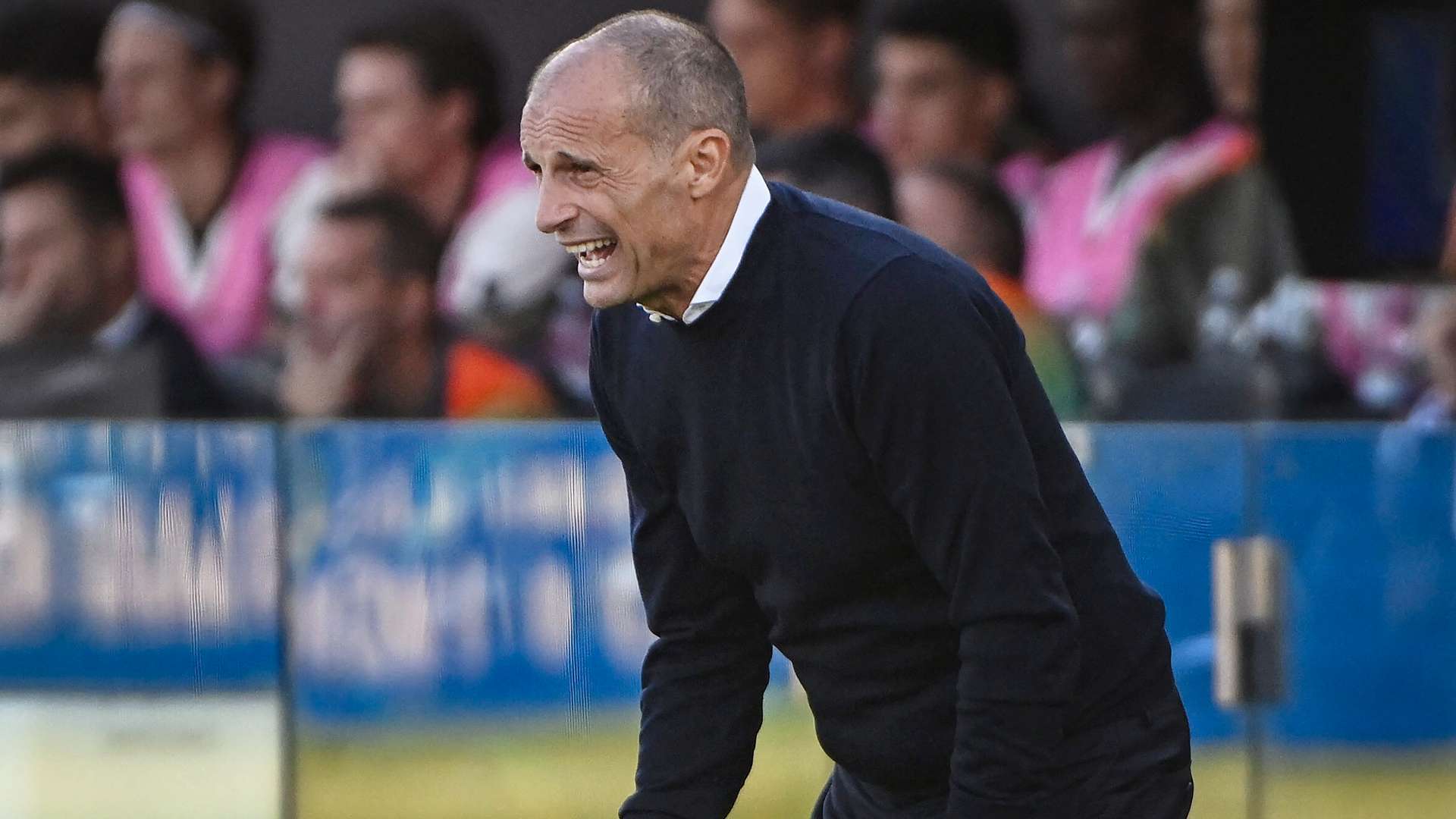
Allegri’s comments came first in a television interview and were repeated in his post-match press conference. “Last year they handed them the Champions League. The same people, as always…” he said, referring to Roma and their eventual place in the competition. The implication was that the club’s qualification owed something to refereeing rather than solely to its performances on the pitch.
Roma strongly reject that suggestion. The club’s position is that their qualification was earned through a sustained late-season run, not outside assistance. Allegri’s remarks have therefore been taken as an unfair attack on the team, its staff and the people responsible for its progress.
Roma’s Late Surge Decided the Qualification Race
Roma’s route to the Champions League was shaped by a dramatic finish to the campaign. Under Gian Piero Gasperini, the side responded to a damaging defeat away to Inter by putting together six wins and a draw. That run transformed the standings and gave Roma the momentum needed to overtake AC Milan on the final matchday.
It was a demanding stretch, with every result carrying major consequences. Roma had little room for error, and the players had to deliver consistently while competing under the pressure of a close qualification battle. Supporters will point to that sequence of results as the clearest explanation for the club’s achievement: Roma won the points required when the stakes were highest.
The final-day movement in the table made the outcome especially memorable. Roma’s rise above Milan was not the product of a single decision or one isolated moment, but of a run built across several fixtures. In a season where the Champions League places were contested by multiple ambitious clubs, that consistency proved decisive.
Why Allegri’s Words Have Caused Such Anger
Accusations of refereeing favouritism are particularly sensitive in Italian football, where decisions are closely scrutinised and often debated long after a match has ended. Suggesting that a rival club was effectively “handed” a Champions League place goes beyond ordinary post-match frustration. It calls into question the legitimacy of that team’s achievement and the fairness of the competition.
Roma’s irritation is also tied to the timing and setting of the comments. Allegri made the remarks after a match between Napoli and Roma, when emotions were already high and attention was focused on the teams’ performances. By repeating the claim across both a television interview and a press conference, he ensured that it would become a major talking point rather than a passing remark.
For Roma, the issue is not simply that a rival manager disagrees with the outcome of last season’s race. It is that the comments appear to attribute the club’s success to alleged institutional or refereeing support without providing evidence. That framing risks overshadowing the work of the players and coaching staff during a high-pressure finish.
Officiating Debate Adds Pressure to the Champions League Race
Refereeing controversies regularly become part of the conversation around the Champions League places, where a single result can alter a club’s finances, recruitment plans and sporting ambitions. Qualification can bring significant revenue and help attract top players, making the fight for a place among Europe’s elite especially intense.
That importance can make every disputed call feel decisive. Clubs may revisit incidents from earlier rounds, while managers and supporters interpret decisions through the lens of the final standings. Yet a season-long race is rarely determined by one moment alone. Results across dozens of matches, squad depth, injuries, tactical choices and performance under pressure all contribute to the final table.
Roma’s late run illustrates that broader picture. The team needed to win repeatedly after falling behind in the race, and it did so at a point when the margin for error was minimal. That is why the club is resisting any suggestion that the outcome should be explained by refereeing claims rather than footballing results.
What the Dispute Means for Roma and Napoli
The exchange adds another layer of tension between two clubs with strong ambitions and large fan bases. Napoli and Roma are both accustomed to competing for major honours, and meetings between them carry significance beyond the 90 minutes. Allegri’s comments are likely to keep the rivalry in the headlines, particularly as the clubs continue to pursue their respective goals.
For Roma, the immediate challenge is to keep attention on the current campaign rather than allow the dispute to become a distraction. The club’s response signals that it will not accept its previous qualification being dismissed as the result of alleged favours. At the same time, the strongest answer on the pitch would be to maintain the form and consistency that powered last season’s late surge.
For Napoli, Allegri’s remarks may satisfy supporters who believe their side has been treated unfairly, but they also invite scrutiny. Claims about refereeing can quickly shift focus away from a team’s own performance and towards a wider argument that is difficult to resolve without clear evidence.
Football Prediction: Expect the Controversy to Continue
The dispute is unlikely to disappear immediately. In Italian football, comments about referees and league outcomes often remain part of the narrative throughout a season, especially when the clubs involved are competing for Champions League qualification. Roma’s firm rejection and the attention surrounding Allegri’s words mean the issue could resurface in future meetings or during another tight finish in the standings.
Any football prediction about the next chapter should be cautious: the controversy may generate more headlines, but the decisive factors will still be points, performances and consistency. Roma have made clear that they consider last season’s qualification a sporting achievement earned through results. Allegri’s accusation has challenged that interpretation, turning a completed race into a fresh argument about fairness and credibility.
Ultimately, the standings remain the clearest record of what happened on the pitch. Roma’s six wins and a draw after the defeat to Inter gave them the platform to move past AC Milan on the final day. Whether the debate fades or intensifies, the club’s message is unmistakable: its Champions League place was won through football, not handed to it.