
Wayne Rooney Accuses Manchester United Players of Selfishness After Como Defeat
Manchester United’s difficult season has taken another sharp turn after club legend Wayne Rooney criticised the current squad, accusing players of putting themselves ahead of their teammates, manager and supporters. His comments followed captain Bruno Fernandes’ public assessment of United’s tactics after a heavy defeat to Como, adding to growing concern about tension inside the dressing room.
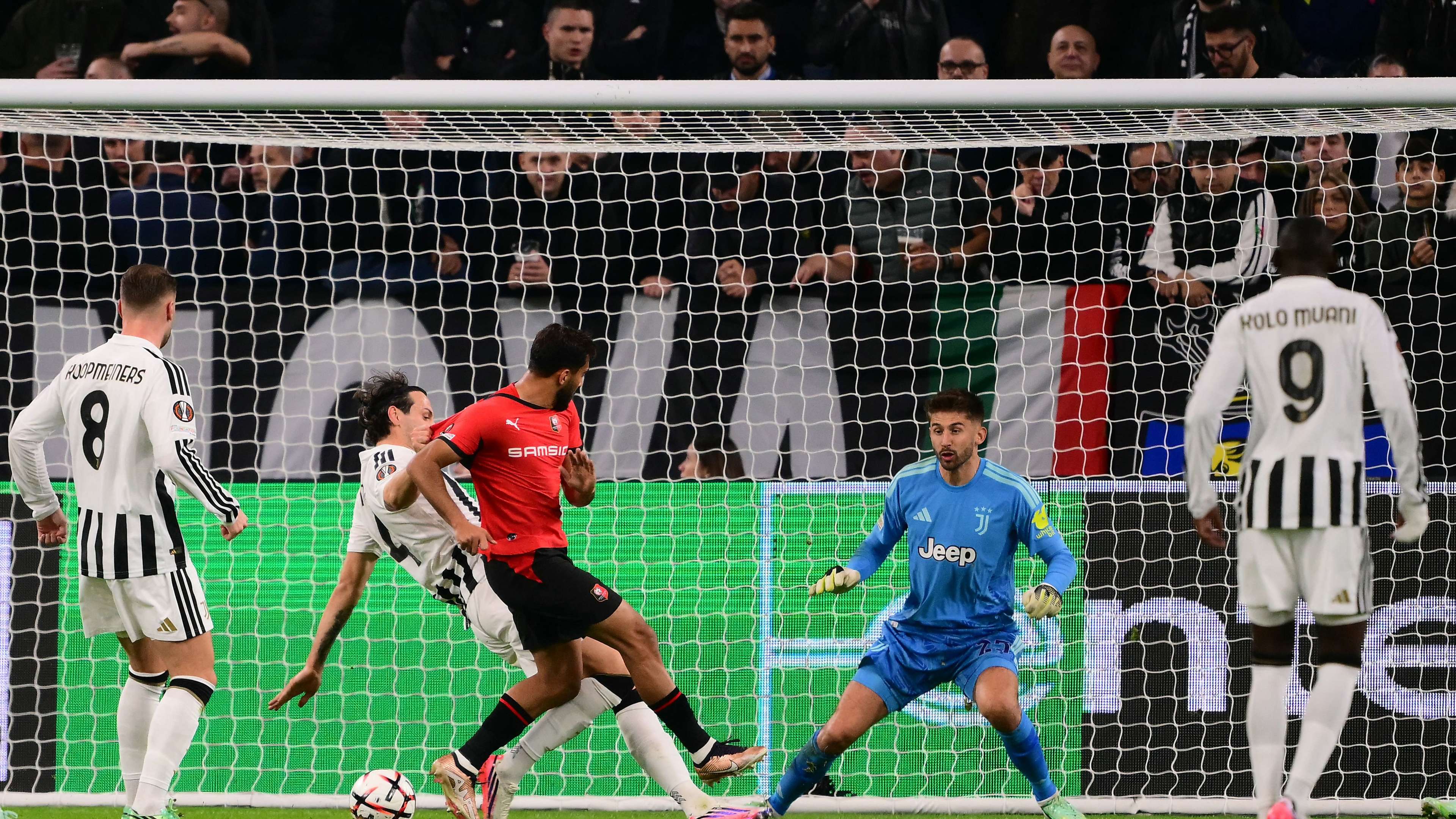
United suffered a bruising 4-1 defeat to Como in the Champions League on Wednesday. The Italian side took control early, and although Joshua Zirkzee scored a late consolation in stoppage time, the goal did little to soften the result. The loss intensified scrutiny of interim manager Michael Carrick and raised fresh questions about the team’s confidence, organisation and response to setbacks.
Rooney: United’s Players Must Take Responsibility
Speaking on the United Stand podcast on Thursday, Rooney said Fernandes’ remarks were part of a troubling pattern. The former United captain argued that criticism of coaches and club leadership could deepen divisions if players were unwilling to examine their own performances.
“You can judge what Bruno said, whether it is right or wrong, but you have to take responsibility on the pitch,” Rooney said. He described the players as “selfish” and claimed they were behaving “like children” when circumstances did not suit them. In his view, the squad’s response to adversity suggested that individuals were too quick to direct blame elsewhere rather than work together to improve results.
Rooney also referred to earlier comments from defender Lisandro Martinez, who criticised the club’s management after United’s 2-0 loss to Atletico Madrid and called for greater investment to compete with Europe’s leading teams. Rooney warned that public disagreements over tactics, recruitment and leadership could damage trust within the squad if they continued to escalate.
Fernandes’ Tactical Criticism Adds Pressure on Carrick
Fernandes’ post-match comments after the Como game were particularly significant because of his role as captain. He said United had failed to press effectively and suggested the team entered a state of “surrender” after conceding in the second minute. The remarks placed the spotlight on the coaching staff’s approach while also raising questions about how the players responded once the match began to slip away.
Public criticism from a captain can serve as a signal that standards need to rise, but it also carries risks. If players and coaches appear to be pointing fingers at one another, supporters may interpret the dispute as evidence of a fractured dressing room. Rooney’s concern is that such comments could encourage more players to speak out without accepting responsibility for what happens during matches.
That does not mean every criticism of a manager is automatically misplaced. Tactical decisions, preparation and communication all matter in elite football, especially when a team is struggling. But Rooney’s central argument is that those discussions must be matched by stronger performances on the pitch. United need clearer pressing, better defensive concentration and a more resilient reaction when opponents score first.
A Difficult Spell for Interim Manager Michael Carrick
Carrick is facing the most challenging period of his tenure. Appointed as interim manager after Ruben Amorim was dismissed in January, he initially oversaw an improvement in results and was subsequently handed a contract through 2028. That early progress has now given way to a worrying run: United have gone seven matches in all competitions without a win.
The team’s position reflects the scale of the problem. United are reported to sit 20th in the Champions League standings and 13th in the Premier League, leaving little room for complacency in either competition. A prolonged slump can quickly become self-reinforcing: poor results increase pressure, pressure leads to uncertainty, and uncertainty makes it harder for players to execute a game plan with conviction.
For Carrick, the immediate challenge is not only to find a winning formula but also to restore unity. That means addressing the team’s defensive lapses and lack of intensity while managing the public narrative around the squad. A clear message from the manager, combined with visible commitment from senior players, could help calm the situation. Without that response, every defeat is likely to bring further questions about leadership and accountability.
What United Need to Show in Their Next Matches
United’s schedule offers little time to dwell on the Como result. Como are listed to face Sassuolo in Serie A on October 24, while Manchester United are scheduled to meet Bournemouth in the Premier League on October 25. The fixtures give United an immediate opportunity to respond, although a single strong performance would not erase the concerns raised by their recent run.
Supporters will be watching for more than the final score. They will want to see whether United press as a coordinated unit, whether players recover quickly after losing possession and whether the team continues to compete when it falls behind. Those details can provide an early indication of whether the squad has absorbed the criticism or remains caught in a cycle of frustration.
Any Manchester United prediction for the coming weeks is difficult while the team’s form remains so inconsistent. The club has experienced players capable of changing a match, but individual quality will count for little if the group lacks discipline and collective purpose. United’s best route back is likely to be a practical one: tighten the defence, simplify the build-up and restore confidence through consistent effort.
A Defining Moment for the Red Devils
Rooney’s comments have made an already tense situation harder to ignore. His criticism is not simply about one defeat or one interview; it reflects broader doubts about responsibility, team spirit and the standards expected at Manchester United. Fernandes’ remarks, Martinez’s call for investment and Carrick’s winless run have combined to place the club under intense scrutiny.
The next response will matter. If United’s players show greater unity and translate their frustration into improved performances, the current dispute could become a turning point. If public blame continues while results fail to improve, pressure on Carrick and the squad is likely to grow. For the Red Devils, the task is clear: take responsibility together, compete with greater conviction and give supporters a reason to believe the season can still be stabilised.