
Wayne Rooney Questions Cristiano Ronaldo’s Portugal Exit
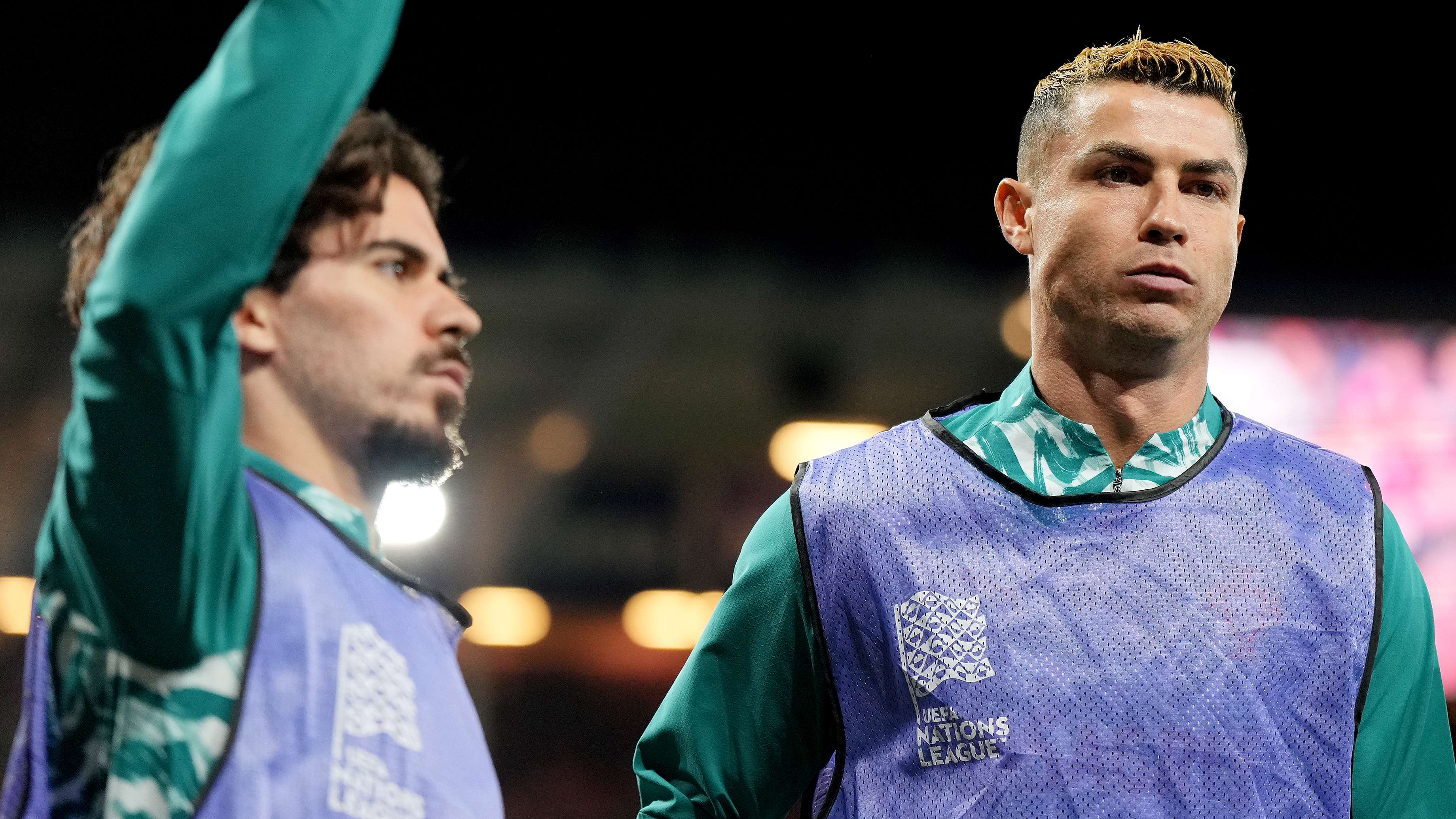
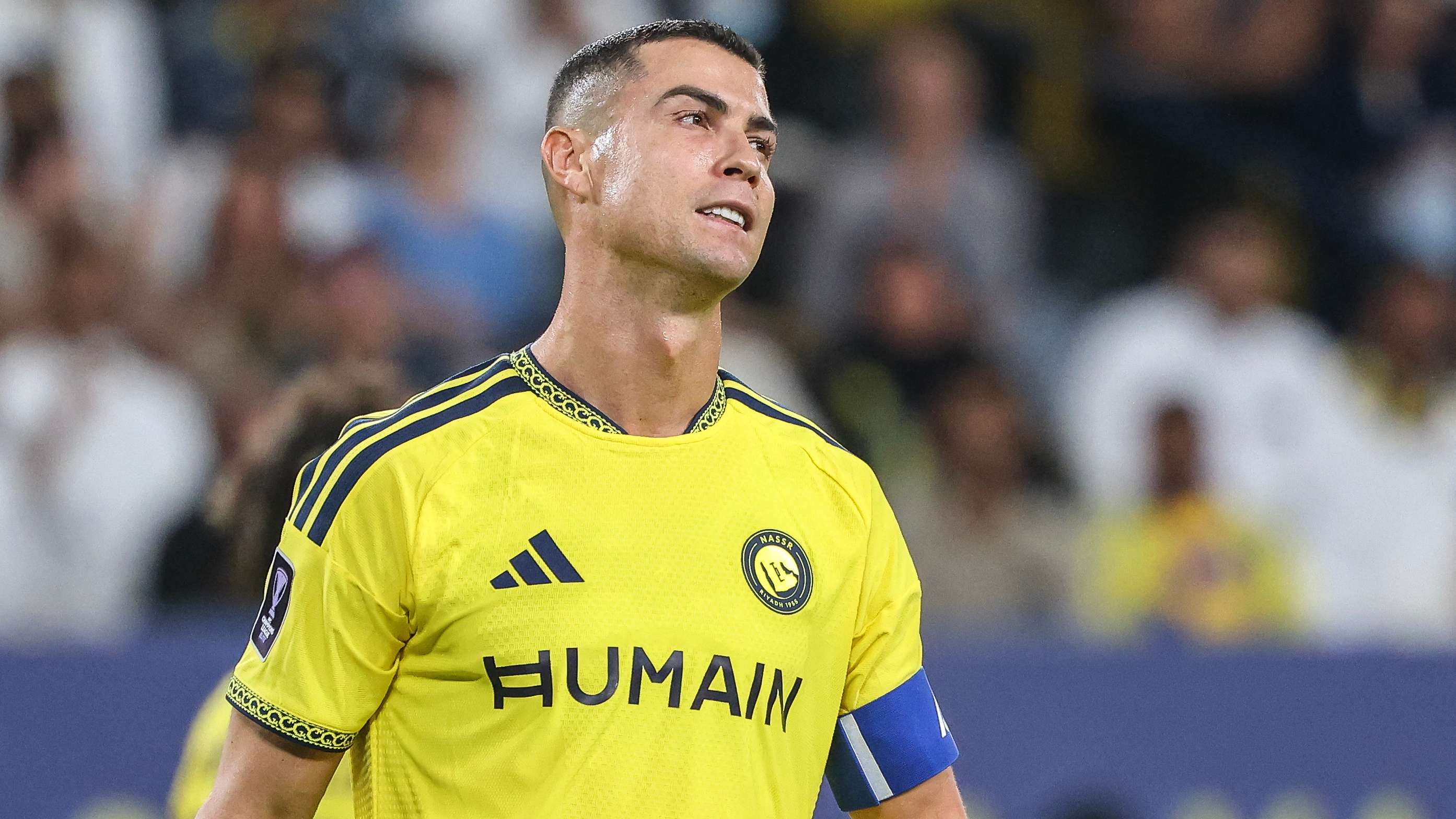
Former Manchester United striker Wayne Rooney has criticised Cristiano Ronaldo’s decision to leave the Portugal national team camp during the recent international window, raising questions about how the veteran forward handled the situation. Rooney, who shared the pitch with Ronaldo at Old Trafford, also questioned the way the disagreement with Portugal head coach Jorge Jesus became a public issue.
The episode has renewed discussion about Ronaldo’s influence within the national team, the responsibilities that come with seniority and the challenge of managing tensions between a high-profile player and his coach. For Portugal, the immediate priority is to keep attention on football and ensure that any disagreement does not distract from preparations for upcoming fixtures.
Rooney’s Criticism Focuses on the Way the Dispute Was Handled
Rooney’s comments were not simply about Ronaldo’s status or his record for Portugal. His concern centred on the manner in which the situation unfolded. When a player of Ronaldo’s stature leaves camp, the decision is likely to attract international attention, particularly if it occurs alongside a visible disagreement with the coach.
Rooney has experience of playing alongside Ronaldo during the pair’s time at Manchester United, giving his assessment an added personal dimension. Their relationship was forged in one of football’s most scrutinised environments, where competition for places, expectations from supporters and pressure to deliver were constant. Rooney’s criticism therefore carries the perspective of a former teammate who has seen how elite dressing rooms function.
At the heart of his argument is the idea that disagreements are part of professional sport, but how they are managed can matter as much as the issue itself. A private conversation may help a coach and player find common ground. Once a dispute becomes public, however, it can invite speculation, create competing narratives and place other members of the squad in an uncomfortable position.
Why Ronaldo’s Role in the Portugal Squad Matters
Ronaldo remains one of the most recognisable figures in international football, and his presence naturally draws attention to Portugal’s performances. His experience, goal-scoring record and status as a long-serving national team leader have helped shape the team’s identity over many years. At the same time, his prominence means that every decision involving him can become a major story.
That attention can be a double-edged sword. A senior player can offer younger teammates guidance and help set standards in training, but a disagreement involving that player may overshadow the collective work of the squad. Coaches must balance respect for a player’s achievements with the need to maintain clear expectations for everyone in the group.
For Portugal, the challenge is not merely deciding how much Ronaldo should play. It is also about establishing a shared understanding of roles, communication and accountability. Those questions are common in international teams, where players arrive from different clubs, have limited time to prepare and must quickly adapt to a coach’s plans.
The Importance of Clear Communication Between Player and Coach
International breaks leave little room for misunderstandings to linger. Players may have only a short period to train together before important matches, so coaches need to communicate selection choices and tactical responsibilities clearly. A player who feels unsettled by a decision may want an explanation, while a coach must ensure that discussions do not undermine the wider group.
In a high-profile case, communication also has a public dimension. Supporters and journalists often try to interpret every change in a squad, every missed training session and every comment from a coach. Even when the details are incomplete, speculation can quickly develop into a debate about loyalty, authority or a player’s future.
That is why the way a disagreement is addressed can influence how it is understood. If the parties present a consistent explanation, attention may return to the team’s football. If their accounts appear to conflict, the story can continue long after the original issue has passed. Rooney’s criticism reflects this wider concern: elite players and coaches are expected to resolve difficult moments without allowing them to dominate the national conversation.
What the Incident Could Mean for Portugal
The long-term significance of Ronaldo’s departure from camp will depend on what happens next. A single episode does not automatically determine a player’s future with his country, and public criticism does not reveal every detail of the conversations behind closed doors. The most important indicators will be whether Ronaldo and Jesus can restore a working relationship and whether Portugal can move forward with a clear plan.
For the coaching staff, consistency will be essential. Any decision about selection, discipline or leadership needs to be explained in a way that supports the team’s preparation. For Ronaldo, the focus will be on how he responds to the criticism and whether he can maintain his influence through performances and constructive involvement with the squad.
Teammates will also be watching how the situation is handled. A calm resolution could strengthen the group by showing that disagreements can be addressed professionally. A prolonged public dispute, by contrast, risks drawing attention away from training, tactics and the collective objectives that matter most during an international window.
Why the Story Is Drawing Attention From Football Supporters
Ronaldo’s career has made him a central figure in football debate, while Rooney’s history with him gives the criticism particular weight. Supporters are interested not only in what happened but also in what it might mean for Portugal’s team selection, leadership structure and prospects in future competitions. That has encouraged plenty of discussion, analysis and prediction about the next steps for both player and coach.
Still, any prediction about Ronaldo’s international future should be treated cautiously. The public account of the incident is only part of the picture, and decisions made within a national team can depend on private conversations, fitness, tactical needs and the coach’s longer-term plans. Until there is clear information from the people involved, conclusions about a permanent split or an immediate return would be premature.
A Test of Leadership and Perspective
Rooney’s remarks have placed the focus on a familiar question in modern football: how should a team manage a superstar when personal expectations and coaching authority collide? Ronaldo’s achievements give him an exceptional standing, but no player operates separately from the squad. Likewise, a coach must recognise a senior player’s contribution while preserving the principles that guide the team.
For Portugal, the best outcome would be a resolution that allows the conversation to return to football. That means clear communication, mutual respect and a shared commitment to the national team’s goals. The episode may eventually become a brief moment in a long international career, but Rooney’s criticism has made the handling of the dispute a story in its own right.
As the next fixtures approach, attention will turn to whether Ronaldo is involved and how Portugal’s coaching staff shapes the squad. Until then, the debate is less about one decision than about leadership, public responsibility and the delicate balance between individual status and collective success in international football.