
Matthias Sammer Urges Julian Nagelsmann to Reassess Surroundings for Future Success in Football Prediction and Coaching
In the ever-evolving landscape of professional football, coaching careers are often shaped not only by tactical prowess and results but also by the quality of support and mentorship around a coach. Former Germany international and renowned football expert Matthias Sammer has recently issued a compelling advisory to Julian Nagelsmann, emphasizing the importance of refining his environment to ensure sustained success and stability in his coaching journey.
Understanding the Challenges Facing Julian Nagelsmann
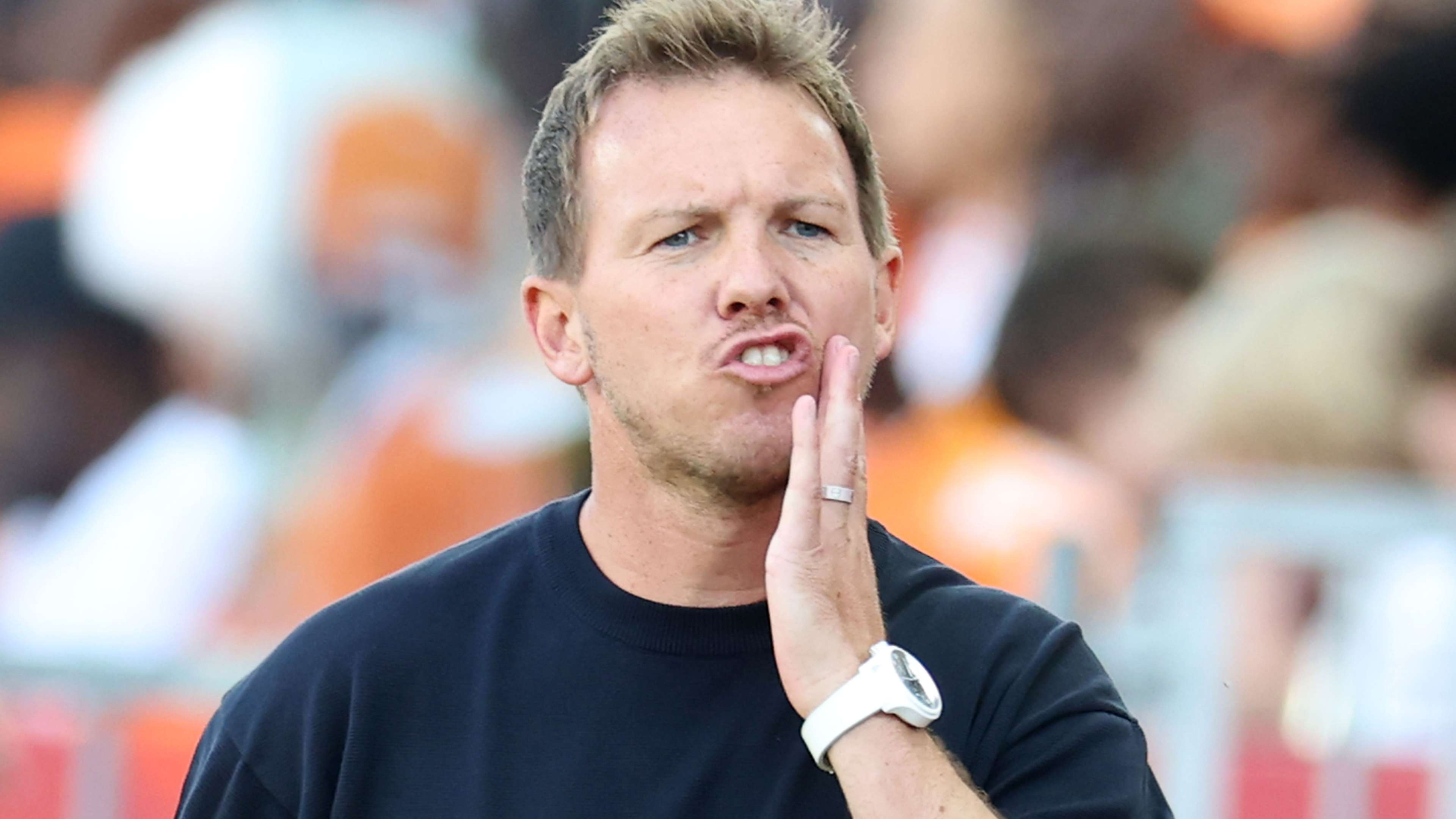
Julian Nagelsmann, one of the brightest young coaching talents in European football, has experienced a rollercoaster of highs and lows over the past few years. Starting his professional coaching career at Hoffenheim in 2016, he quickly gained recognition for his innovative tactics and youthful approach. His remarkable ascent saw him assume roles at RB Leipzig and later at Bayern Munich, where expectations were sky-high. However, despite his evident talent, Nagelsmann’s career faced turbulence, culminating in his surprising sacking from Bayern Munich at the beginning of 2023, a move that sent shockwaves through the football community.
The subsequent appointment as Germany national team coach initially generated optimism among supporters, especially with the upcoming UEFA European Championship in 2024. Yet, the team’s underwhelming performance during the World Cup in North America, coupled with internal challenges, led to a decline in public confidence and Nagelsmann’s eventual departure from the national setup. This sequence of events underscores the complex interplay between individual talent and external factors influencing a coach’s career trajectory.
Matthias Sammer’s Candid Advice: Focus on the Core
During a recent appearance on the Sky programme ‘Sammer & Basile – der Hagedorn-Talk’, Matthias Sammer did not hold back in sharing his insights on Nagelsmann’s situation. Praising the 39-year-old coach as a first-class football expert, Sammer highlighted his successful stints at Hoffenheim and Leipzig, emphasizing that Nagelsmann possesses all the qualities needed for a top-tier coaching career. However, he pointed out a recurring issue that could undermine Nagelsmann’s future: the influence of his surrounding environment, especially management agencies and other external advisors.
Sammer’s primary concern was that Nagelsmann’s immediate circle might be hindering rather than helping his development. He explicitly advised the coach to “clear out his surroundings” and prioritize direct advice from seasoned, independent football veterans. According to Sammer, this is crucial for Nagelsmann to mature as a coach and avoid unnecessary distractions that could cloud his judgment and decision-making process.
The Role of Management and External Influences in a Football Prediction Landscape
In the realm of football prediction, understanding the influence of external factors is vital. Coaches like Nagelsmann operate in an environment where management agencies, media, and public opinion can significantly impact their careers. Sammer’s critique sheds light on how these influences might distort the focus needed to succeed on the pitch.
Notably, Nagelsmann is represented by Sports 360, a prominent agency led by star adviser Volker Struth, whose client list includes notable German internationals like Angelo Stiller and Tom Bischof. While representation is essential, Sammer suggests that coaches should seek guidance from independent, experienced football insiders—former players and coaches who have navigated the complexities of the sport for decades.
Lessons from Football Prediction: The Value of Wisdom and Experience
Sammer advocates for Nagelsmann to consult with legendary figures such as Lothar Matthäus, Stefan Effenberg, and Dietmar Hamann—former Germany internationals with extensive experience and a wealth of tactical and psychological insights. These veteran coaches and players, often less in the limelight, could offer invaluable advice rooted in reality and seasoned perspective, helping Nagelsmann refine his approach and avoid pitfalls common to young coaches in high-pressure environments.
He emphasizes that such mentorship is more than just guidance; it’s about initiating a process where genuine growth and development in coaching talent can flourish. This approach aligns with best practices in football prediction analysis, where understanding the nuanced factors behind a team’s or coach’s performance is essential for accurate forecasting.
Why External Advice Matters More Than Management Agency Guidance
While management agencies play a crucial role in negotiations and career planning, Sammer believes that independent advice from respected football figures carries more weight when it comes to long-term success. He points out that a coach’s development depends heavily on the effects of their decisions and their capacity to filter out unnecessary noise. Without a clear focus on what truly matters—player development, tactical innovation, and team cohesion—a coach risks losing sight of their core objectives.
Sammer’s perspective underscores a vital lesson for anyone involved in football prediction: success hinges on clarity, experience, and the ability to adapt. For Nagelsmann, this means seeking counsel from those who have seen it all—coaches who have faced similar challenges and come out stronger—and distancing himself from influences motivated primarily by commercial interests or media exposure.
The Path Forward for Julian Nagelsmann
So, what does this mean for Nagelsmann’s future? According to Sammer, the next step should involve engaging with a wise football mentor—someone beyond the immediate circle of his agency or current management team. Such a mentor could be a retired coach or a former international player with a track record of success and the reputation for candid, constructive feedback.
This approach would not only help Nagelsmann regain confidence and focus but could also guide him in navigating the complex landscape of modern football, where predictions about team success depend on much more than just tactics. It involves understanding team dynamics, psychological resilience, and strategic planning—areas where seasoned advice can make the difference.
Conclusion: A Call for Wisdom in Football Prediction and Coaching
As football continues to evolve, the importance of mentorship, environment, and clarity in coaching careers becomes increasingly evident. Matthias Sammer’s advice to Julian Nagelsmann highlights a universal truth in football prediction: talent alone is insufficient; the environment and guidance are equally vital for a coach’s long-term success.
For fans, analysts, and aspiring coaches alike, Nagelsmann’s journey serves as a reminder that even the most gifted individuals need the right support system. By prioritizing wisdom, experience, and a focused approach, coaches can better navigate the unpredictable terrain of professional football and optimize their chances of success—both on the pitch and in their careers.
In the end, the future of Julian Nagelsmann may well depend on his ability to heed these insights, clear out distractions, and surround himself with trusted mentors. For football prediction enthusiasts, understanding these dynamics is key to making accurate forecasts about coaching outcomes and team performances in the ever-competitive world of football.