
Sanju Samson Praises Shai Hope After West Indies Level T20I Series
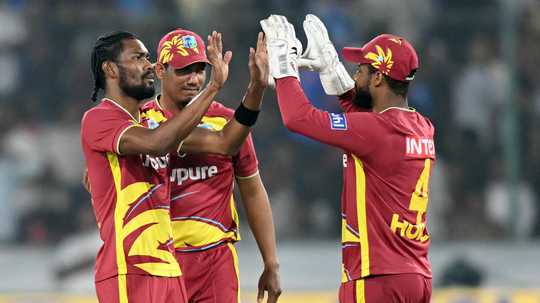
Sanju Samson has credited Shai Hope’s composed batting for helping the West Indies secure a series-levelling victory over India in Hyderabad. Hope struck his second T20I century in three matches, guiding the visitors to a formidable total of 248 before India’s chase ended at 223. The 25-run defeat sets up a decisive final match in Bengaluru on Saturday, October 17.
For cricket fans weighing up the series-decider prediction, the Hyderabad contest offered plenty to consider: the West Indies have shown they can post a commanding score on Indian soil, while India’s batting line-up demonstrated that it can keep a steep chase alive even after losing early wickets. Samson, who made a rapid start to the pursuit, said Hope’s ability to score without taking unnecessary risks deserved particular recognition.
Hope’s Steady Approach Makes the Difference
Hope’s innings combined patience with well-timed aggression. Rather than relying on constant high-risk shots, the West Indies captain found scoring opportunities through controlled cricketing strokes and maintained pressure on India’s bowlers throughout his stay at the crease.
“He is playing really well, and we need to respect what he has been doing,” Samson said. He noted that Hope had been playing quality shots without taking excessive risks, showing respect for the bowlers while still keeping the scoreboard moving. India, he added, were alert to the challenge and would need to keep working out how to respond to Hope in each game.
That balance is especially valuable in T20 cricket, where batters are often expected to attack from the outset. A player who can build an innings while limiting avoidable chances gives his team a stable platform—and makes it harder for the opposition to use wickets as a way to slow the scoring. Hope’s latest century reinforced his importance to the West Indies’ batting plans.
Samson’s Explosive Start Could Not Carry India Home
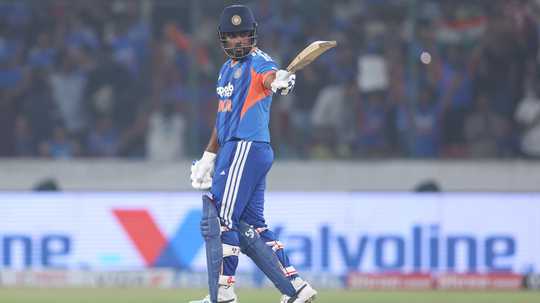
Samson gave India an energetic opening to their chase of 248, taking on the bulk of the strike during the first four overs. He raced to 56 from just 23 deliveries before being dismissed at the beginning of the fifth over. His innings briefly raised hopes that India might be able to match the required scoring rate, but his departure left the rest of the top order with a demanding task.
Samson said there was little room for hesitation while chasing such a large total. The approach, he explained, was to trust his instincts and back his power game. He enjoyed the innings, but admitted that the performance would have felt better had it come in a winning cause.
His quickfire contribution illustrated the fine margins involved in an ambitious T20 chase. A fast start can reduce the pressure on the middle order, but it also needs to be followed by sustained partnerships. Against a target of 249, India needed more than one batter to maintain a high tempo while protecting enough wickets for the closing overs.
Samson Backs Abhishek Sharma and Ishan Kishan
India’s other top-order batters had a more difficult evening. Abhishek Sharma scored 29 from 24 balls, a notably restrained innings by his standards and his lowest strike rate in a T20I innings in which he faced more than 20 deliveries. Ishan Kishan was dismissed early, leaving India to rebuild sooner than expected.
Samson was quick to defend both teammates, pointing to their recent form rather than drawing broad conclusions from one match. Abhishek had scored 69 in the previous game, while Kishan had been among India’s consistent run-scorers. Samson described them as two of the world’s best top-order batters and said an off-day should not overshadow what they have contributed across the series.
That perspective matters in a short-format series, where a single innings can heavily influence the result but does not necessarily reveal a player’s overall form. India’s challenge in the final will be to turn their top-order potential into a more complete batting performance, particularly if the West Indies again produce a substantial total.
Tilak Varma and Nitish Reddy Keep the Chase Alive
India had slipped to 130 for five in the 12th over when Tilak Varma and Nitish Reddy began a determined recovery. Their 70-run partnership brought fresh momentum to the chase and briefly kept the hosts within reach. Samson praised the pair for absorbing pressure and taking on the West Indies bowling attack despite the difficult situation.
For a period, their stand gave India a realistic chance of staying in the contest. The partnership also showed the value of calm decision-making in a high-scoring match: rather than allowing the required rate to dictate every shot, the two young batters found ways to score and kept the innings moving.
The breakthrough came when Varma was dismissed at the end of the 17th over. Reddy followed in the 19th, ending India’s hopes of a late surge. India were eventually bowled out for 223, 25 runs short of the target. The finish underlined how important it is to preserve wickets for the final overs when chasing a total of this scale.
What the Result Means for the Bengaluru Decider
The series now comes down to one match, with both teams carrying reasons for confidence. The West Indies will take encouragement from Hope’s form and their success in posting and defending a huge score. India, meanwhile, can point to Samson’s explosive start and the resistance shown by Varma and Reddy as evidence that their batting can challenge the visitors under pressure.
Samson said India were highly motivated for the decider and acknowledged the quality of the West Indies’ cricket, particularly their ability to dominate two matches on Indian home ground. His comments reflected the respect between the sides as well as the urgency of the final contest.
For anyone considering a cricket prediction ahead of the Bengaluru match, the key questions will be whether India’s top order can produce a more consistent start, how effectively the bowlers contain Hope, and whether the West Indies can repeat their scoring power. Hyderabad has made one point clear: a fast opening burst is valuable, but partnerships and composure across all phases may decide the series.