
Barcelona and Brazil Agree on Cautious Plan for Raphinha’s Return
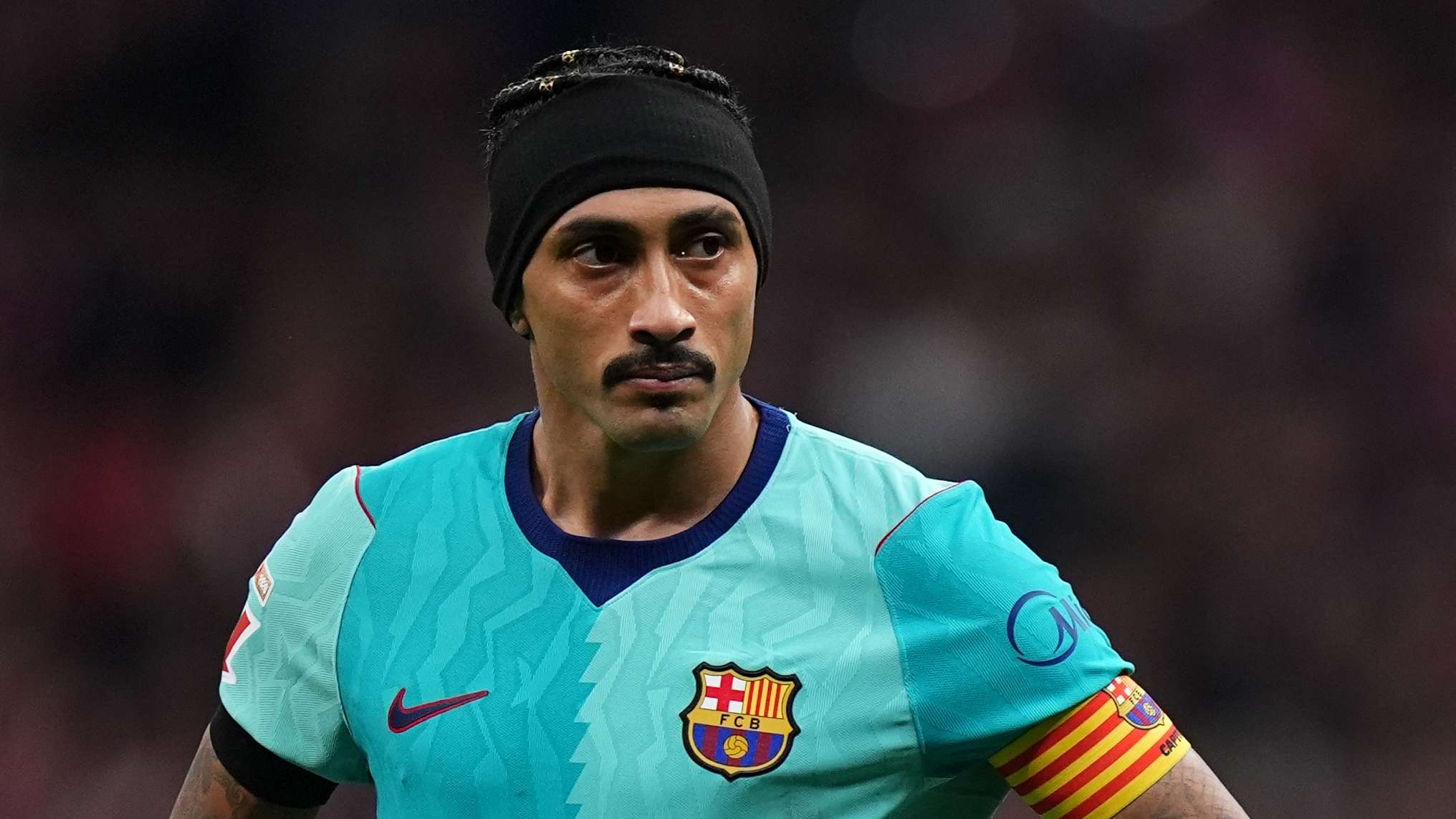
Raphinha’s return to the Brazil squad is welcome news for the national team, but it has also prompted careful planning behind the scenes at Barcelona. After a demanding year marked by repeated muscle problems, the winger is expected to have his minutes monitored during Brazil’s November friendlies, with both club and country keen to avoid another setback.
Brazil are scheduled to face Japan on 14 November and Singapore on 17 November at Singapore National Stadium. The matches mark Raphinha’s first appearance for the Seleção during the current international break. His pace, direct running and ability to create chances make him a valuable option for Brazil, but Barcelona have clear reasons to take a measured approach to his involvement.
A return that brings both promise and concern
For Brazil, Raphinha’s selection adds an experienced attacking threat to the squad. He can stretch opposition defences, press aggressively and contribute goals as well as assists. Those qualities make him useful in friendlies that also offer coach Carlo Ancelotti an opportunity to assess combinations and give players valuable time together.
At Barcelona, however, the focus is on the player’s physical condition. Reports from Brazilian outlet Globo say the Catalan club and the Brazilian Football Confederation have been coordinating over how much Raphinha should play. The aim is to help him return to Barcelona fit while reducing the risk of another injury on international duty.
The concern is rooted in a difficult 2026. Raphinha has dealt with three muscle injuries while representing Brazil this year, making his latest call-up a delicate issue for a club that depends on his contribution across a long season. Barcelona’s priority is not to prevent him from playing, but to ensure that his return is managed sensibly.
Why Raphinha’s minutes are being watched closely
The most recent problem occurred in September during a friendly against Australia. Raphinha felt pain in the back of his right thigh and left the pitch at half-time. Subsequent medical examinations found slight muscle oedema, a sign that the area needed attention and recovery time.
Brazil’s federation responded by leaving him out of the squad for a match against India and sending him back to Barcelona to continue his rehabilitation. That decision reflected the risk of turning a relatively minor issue into a longer absence. For a player whose game relies on repeated sprints, sharp changes of direction and intense pressing, even a small muscle problem can require careful management.
There is also a wider football consideration. International breaks can involve long-distance travel, changes in routine and matches played close together. Those demands can complicate recovery, particularly for players returning from injury or carrying a heavy workload. Raphinha’s trip to Asia therefore requires planning that takes account of both his training and his potential match involvement.
Coordination between Barcelona and Brazil
The reported agreement between Barcelona and the Brazilian federation suggests that both sides understand what is at stake. Brazil want Raphinha available, but they also need him in good condition beyond these two friendlies. Barcelona, meanwhile, must balance its own schedule with the player’s commitment to his country.
Under Ancelotti, Raphinha is back in the national-team picture, but his selection does not necessarily mean he will be asked to play a full match in both fixtures. His minutes are expected to be assessed carefully, with decisions shaped by how he responds to training, travel and the first game. Any discomfort could lead to further caution.
That approach is not unusual in modern elite football. Clubs and national teams increasingly communicate about player fitness, especially when athletes have recently experienced muscle injuries. The goal is to make decisions based on the player’s condition rather than treating every friendly as a must-play occasion. For Raphinha, a gradual return could be more valuable than a large workload over a short period.
What this means for Barcelona’s season
Barcelona have strong reasons to want Raphinha back at full strength. His attacking work can influence matches even when he is not scoring: he helps the team press from the front, provides width and creates openings for teammates. Losing him again would reduce the club’s options and could force adjustments to its forward line.
That makes the international break a balancing act. Raphinha needs competitive minutes to regain rhythm and build confidence, but excessive exposure could increase the chance of another interruption. The most sensible prediction is that Brazil will use him selectively, rather than automatically expecting him to play the maximum possible time in both matches.
His condition after the Japan fixture may be particularly important. If he completes the match without symptoms, Brazil could decide whether a further appearance against Singapore is appropriate. If he shows signs of fatigue or discomfort, limiting his involvement would support the shared objective of getting him back to Catalonia safely.
A cautious outlook for the November friendlies
Raphinha’s return is a positive development for Brazil, but it comes with a clear message: fitness comes first. The winger is expected to be managed carefully, with his playing time shaped by medical guidance and his response on the pitch. Rather than focusing only on how many minutes he receives, supporters will be watching for signs that he can move freely and finish the international break without a recurrence.
For Barcelona, the ideal outcome is straightforward. Raphinha gains useful time with Brazil, avoids unnecessary strain and returns ready to contribute for the rest of the campaign. For the Seleção, a fit and confident winger is more valuable in the long run than a player pushed too hard in two friendlies.
The coming days will show how the plan works in practice. With Barcelona and Brazil reportedly aligned on a cautious approach, the prediction is that Raphinha’s involvement will be closely controlled. Both parties appear to agree that the priority is not simply getting him onto the field—it is ensuring he leaves Singapore healthy and prepared for the challenges ahead.