
Mbappé Controversy Creates Wider Fallout for Real Madrid and Spanish Football
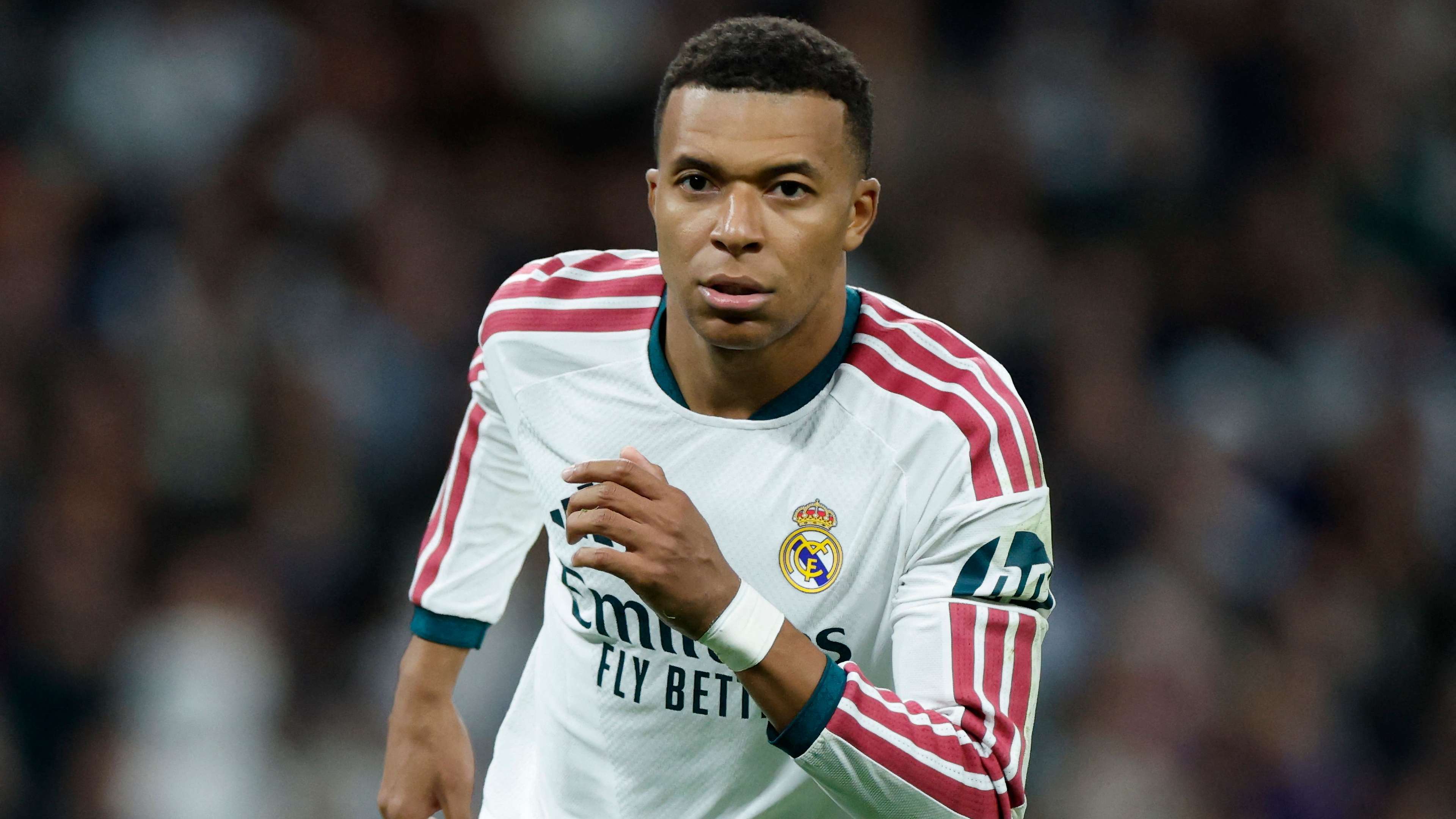
The controversy surrounding Kylian Mbappé has grown beyond the Real Madrid forward, raising questions about sponsorships, merchandise sales and the financial reach of Spanish football in China. A video in which Mbappé appeared to joke about the late Chinese leader Mao Zedong prompted a strong backlash online, with critics accusing the French star of showing disrespect toward a sensitive part of China’s history.
Mbappé apologised after the footage circulated widely. Javier Tebas, president of LaLiga, also issued an apology, as the dispute began to affect the competition’s relationship with one of its major international audiences. The response has already included a significant broadcasting decision: Chinese state broadcaster CCTV suspended coverage of LaLiga matches, including games featuring Real Madrid and its high-profile forward.
From online backlash to commercial consequences
The reaction has quickly moved from social media into the commercial sphere. Several Chinese companies have ended partnerships with Mbappé, including beverage group Dongpeng and dairy businesses Mengniu and Milkground. The withdrawals put pressure on the player’s endorsement income and may also affect Real Madrid, which has a financial interest in the commercial value generated by its star players.
Mbappé’s agreement with Real Madrid is notable for the share of image-rights revenue he retains. Reports have described the arrangement as allowing him to keep close to 80% of that income, an unusually large proportion for a player at a club of this scale. Forbes estimates his annual earnings at around €100 million, with approximately €30 million coming from sponsorships. Any reduction in brand partnerships could therefore have consequences well beyond a temporary public-relations problem.
The exact financial impact remains unclear. Companies may reconsider their decisions if public anger fades, while others could maintain their distance to avoid reputational risk. The outcome will depend partly on how Chinese consumers respond to Mbappé’s apology and whether the player or his representatives take further steps to address concerns.
Why China matters to Real Madrid
China is an important market for European football clubs, not only because of its large audience but also because of its potential for merchandise, sponsorships and digital engagement. Real Madrid reportedly earns between 10% and 15% of its international merchandise revenue from China. Mbappé’s shirt has been among the club’s best-selling products, making the controversy especially relevant to its retail business.
Some supporters have called for a boycott of the forward’s official merchandise on Dongqiudi, one of China’s leading football platforms. Posts urging fans not to buy his shirt illustrate how a dispute involving one player can become a broader test of a club’s relationship with its supporters. However, online campaigns do not always translate directly into sustained changes in purchasing behaviour. Measuring their real effect is difficult, particularly when sales data and consumer sentiment are not publicly available.
Digital platforms are also responding. RedNote, the Chinese social media and lifestyle platform that had worked with Mbappé on promotional activity, has begun removing or restricting content connected to the player. Such changes can reduce a celebrity’s visibility in a market and make it harder for brands to continue campaigns, even if formal sponsorship contracts remain in place.
Broadcasting decisions could affect the wider league
CCTV’s suspension of LaLiga broadcasts has implications beyond Real Madrid. Television exposure helps a league attract sponsors, build international recognition and strengthen future media-rights negotiations. If Chinese viewers have fewer opportunities to watch Spanish football, the competition could lose audience engagement at a time when leagues worldwide are competing for attention across television and streaming services.
Reduced broadcast income can also affect clubs throughout Spain. LaLiga distributes revenue among teams in the top two divisions, with allocations influenced by factors that include sporting performance and the commercial value of the competition. A decline in media income would therefore have a wider effect than a single club’s lost sponsorship or merchandise sales.
In the most recently reported distribution, LaLiga shared approximately €1.432 billion among its clubs. Real Madrid received around €160 million, with its allocation reflecting its position as one of the competition’s biggest commercial and audience draws. If the league’s overall income falls, the club’s future share could also be lower. The scale of any reduction will depend on the duration of the broadcast suspension and the league’s ability to replace or recover the lost value.
Prediction: the response will shape the long-term impact
The immediate prediction is that the controversy will remain a commercial and reputational risk until Chinese broadcasters, sponsors and fans see a credible resolution. An apology may help ease tensions, but the speed of recovery will depend on whether companies believe the issue has passed and whether audiences are willing to return to Mbappé-related products and content.
For Real Madrid, the challenge is to protect its standing in China without making the dispute appear to be only a matter of lost revenue. The club’s response, the player’s future public comments and the decisions of local partners could all influence whether the backlash fades or becomes a longer-term obstacle to growth.
The episode also highlights a wider reality for modern football: global stars and clubs operate across markets with different cultural expectations, and a viral moment can quickly reach sponsors, broadcasters and consumers. Mbappé remains one of the sport’s most prominent figures, but his commercial appeal is closely tied to public trust. Whether that trust can be restored will determine how far the fallout spreads—and whether the consequences remain temporary or reshape Real Madrid’s commercial prospects in China.