
Ricardo La Volpe Critiques Diego Simeone’s Counter-Attacking Style While Praising Lionel Scaloni’s Visionary Leadership in Argentine Football
In a candid interview that has stirred conversations across the football community, former Argentine coach Ricardo La Volpe has voiced strong opinions about the tactical philosophies that define modern Argentine and European football. La Volpe, a revered figure in the world of football and a 1978 World Cup winner with Argentina, has taken a clear stance on the contrasting coaching styles of Diego Simeone and Lionel Scaloni, two prominent figures in Argentine football. His critique of Simeone’s counter-attacking approach, paired with his admiration for Scaloni’s progressive team-building, offers fresh insights into the ongoing debate about effective football prediction and tactical innovation.
Ricardo La Volpe’s Critique of Diego Simeone’s Defensive Counter-Attacking Tactics
Expressing Personal Disapproval with Simeone’s Style
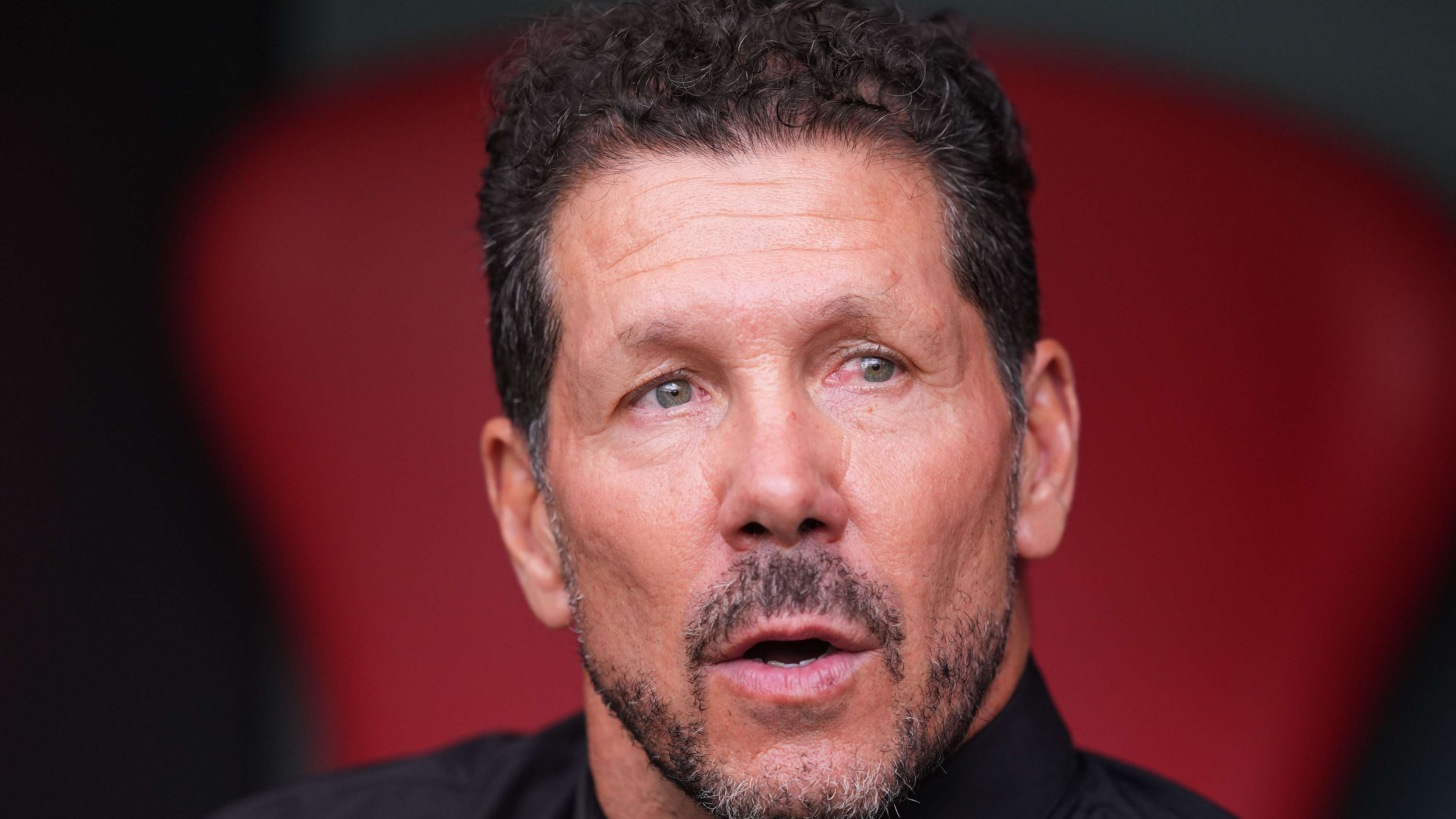
During an engaging conversation on “De Sports” radio, La Volpe openly shared his distaste for Simeone’s coaching philosophy. “If Simeone’s team is playing, I change the channel or go for a coffee with my friends,” he remarked. “I don’t like coaches who focus solely on counter-attacks; I simply don’t watch their matches.” This blunt criticism underscores a broader debate within football circles about the aesthetic and strategic merits of defensive, counter-attacking football versus more fluid, possession-based styles.
The Roots of the Criticism: A Historical Perspective
La Volpe’s dissatisfaction with Simeone’s approach isn’t sudden; it is rooted in a long-standing rivalry and differing football philosophies. As a former coach of Estudiantes de La Plata, Simeone’s success in winning the 2006 Torneo Apertura by defeating Boca Juniors—then managed by La Volpe himself—highlighted his tactical effectiveness but also exemplifies his preference for disciplined, strategic counterplay. La Volpe’s outspoken critique reflects his belief that such defensive tactics, while pragmatic, may lack the entertainment value or aesthetic appeal that many fans and analysts now seek in the beautiful game.
The Contrasting Approach of Lionel Scaloni: Building a Footballing Philosophy
Praise for Scaloni’s Progressive Vision
In stark contrast to his views on Simeone, La Volpe expressed admiration for Argentina’s current national team coach, Lionel Scaloni. He emphasized Scaloni’s success in transforming the team’s playing style and fostering a cohesive footballing philosophy. “I want Scaloni to continue,” he said. “He came in and had to change the approach of an entire generation. He built a team, and most importantly, he created a footballing philosophy.”
Strategic Evolution and Team Development
La Volpe’s praise highlights the importance of adaptability and innovation in football prediction. Scaloni’s emphasis on possession, fluid attacking movements, and tactical flexibility has not only elevated Argentina’s international stature but also demonstrated how modern coaching can blend tradition with innovation. Under Scaloni’s leadership, Argentina has redefined their playing identity—moving away from reliance on star power alone and towards a collective, strategic approach that resonates with contemporary football trends.
The Significance of Football Philosophy in Prediction and Analysis
Understanding Tactical Styles for Better Football Prediction
For enthusiasts and analysts involved in football prediction, recognizing the tactical philosophies of teams is crucial. La Volpe’s insights serve as a reminder that styles matter greatly in how matches unfold and how outcomes can be forecasted. Counter-attacking teams like Simeone’s may rely on disciplined defensive structures and quick transitions, making their matches potentially unpredictable but often less aesthetically pleasing. Conversely, teams built around possession and attacking fluidity, exemplified by Scaloni’s Argentina, tend to offer more dynamic and predictable patterns of play.
The Evolution of Football Tactics and the Role of Coaches
Football is an ever-evolving sport, with coaches continuously experimenting with formations, strategies, and philosophies. La Volpe’s critique underscores a broader shift: modern teams are increasingly judged not just by results but also by their style of play. The debate between pragmatic, defensive tactics and expressive, attacking football remains central to discussions about football prediction, team analysis, and fan engagement. Coaches like Scaloni exemplify how strategic innovation can lead to sustained success, as seen with Argentina’s recent triumphs, including their 2022 World Cup victory.
Lionel Messi’s Enduring Excellence: A Testament to Argentine Football’s Resilience
Praise for the Iconic Captain’s Longevity and Skill
Beyond tactical debates, La Volpe also took time to commend Lionel Messi, Argentina’s legendary captain, for his continued excellence despite the physical toll of aging. “He showed his professionalism through his participation in the World Cup,” La Volpe noted. “Watching him play against Cruz Azul in the Champions Cup, I was amazed by his skill and intelligence. At his age, he still has lightning speed and immense power—traits that seem innate.”
The Impact of Messi’s Performance on Argentina’s Football Prediction
Messi’s sustained brilliance not only inspires fans but also influences football prediction models. His ability to perform at the highest level boosts confidence in Argentina’s tactical setup and team cohesion, further emphasizing the importance of leadership within the squad. As football analysts evaluate upcoming matches, Messi’s form remains a crucial factor in predicting Argentina’s success on the international stage.
Looking Ahead: The Future of Argentine and European Football Strategies
Coaching Trends and Tactical Innovations
The contrasting philosophies of Simeone and Scaloni highlight the ongoing evolution in football tactics. While defensive, counter-attacking strategies remain effective—especially in knockout competitions—there’s a growing preference for attacking, possession-based football that emphasizes aesthetic appeal and player development. Coaches worldwide are increasingly adopting hybrid models, blending defensive solidity with offensive fluidity, reflecting a broader trend in football prediction and analysis.
The Role of Football Prediction in Shaping Tactics
Advanced data analytics and machine learning are transforming football prediction, allowing experts to assess team styles, player performances, and tactical adjustments with unprecedented precision. Understanding the coaching philosophies, as highlighted by La Volpe’s commentary, provides valuable context for these predictive models, enabling more accurate forecasts about match outcomes, player development, and team strategies.
Conclusion: Embracing Diverse Football Philosophies for a Richer Game
Ricardo La Volpe’s outspoken critique of Diego Simeone’s counter-attacking style, coupled with his admiration for Lionel Scaloni’s innovative approach, underscores the rich diversity of tactical philosophies in football. His insights remind fans, analysts, and aspiring coaches that understanding different styles enhances the appreciation of the beautiful game and improves football prediction accuracy. As Argentine football continues to evolve under Scaloni’s leadership and European clubs experiment with new strategies, the future promises a more dynamic, entertaining, and tactically sophisticated sport for fans around the world.