
PV Sindhu to Lead IOA Athletes’ Commission as Chairperson
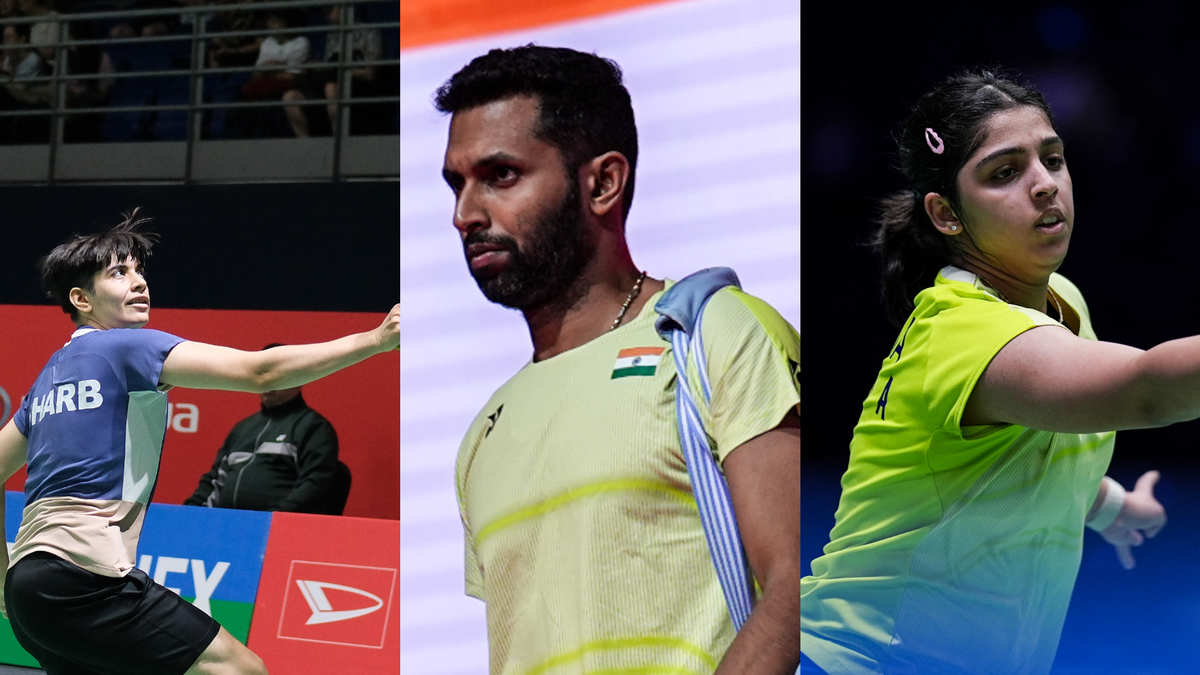
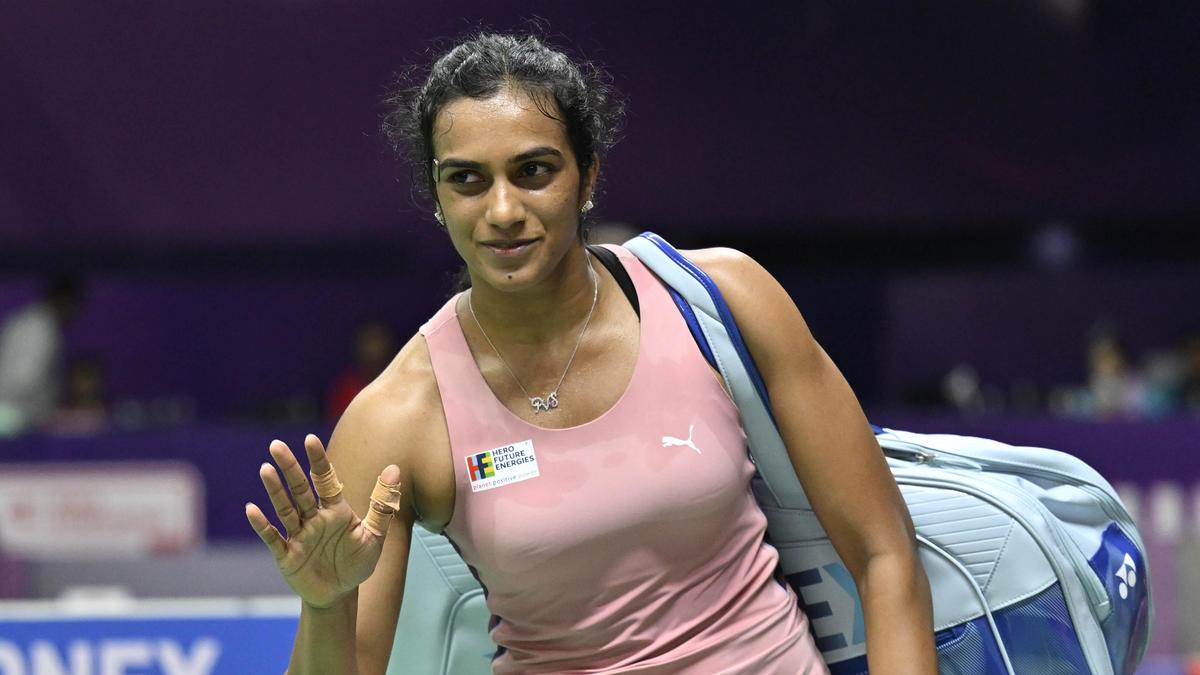
Badminton star PV Sindhu has been elected chairperson of the Indian Olympic Association’s (IOA) Athletes’ Commission, with Indian men’s hockey captain Harmanpreet Singh appointed vice-chairperson. Both athletes were the sole candidates for their respective positions and were declared elected unopposed on Friday.
Weightlifting champion Mirabai Chanu and swimmer Sajan Prakash were also elected unopposed as the commission’s two athlete representatives to the IOA General Body. The four appointments will run for four years, from 2026 to 2030, giving the athletes a formal role in discussions and decisions affecting India’s Olympic movement.
Four athletes elected without a vote
Because no other candidates filed nominations for the four positions, the scheduled polling is no longer required. Returning Officer Sanjay K. Srivastava is expected to issue the formal notification confirming the results.
In his notice, Srivastava said Sindhu was the only candidate nominated for the chairperson’s post and would therefore take the position without polling. Harmanpreet was similarly confirmed as vice-chairperson after being the sole nominee for that role.
The notice also named Chanu and Prakash as the only candidates for the two General Body representative seats. The positions are reserved separately for one woman and one man, allowing both athletes to be declared elected unopposed.
The result gives the commission a leadership team drawn from four different sports: badminton, hockey, weightlifting and swimming. Their varied experiences—from competing in global championships to representing India at the Olympic Games—could help bring a broad range of athlete perspectives into IOA discussions.
Olympic medallists join the IOA Executive Council
Sindhu and Harmanpreet, both two-time Olympic medallists, will join the IOA Executive Council once it is formed following the association’s elections on December 5. Chanu and Prakash will also have a role in that electoral process: as athlete representatives to the IOA General Body, they are eligible to vote in the polls.
The appointments place accomplished competitors in positions where they can contribute to conversations about athlete welfare, representation and the organisation of Indian sport. While their election is unopposed, their upcoming work will involve representing athletes across disciplines and helping ensure that competitors’ experiences are considered in the association’s decision-making.
Gender balance built into the selection rules
IOA rules require the chairperson and vice-chairperson of the Athletes’ Commission to be one man and one woman. The same gender balance applies to the two representatives selected for the General Body, with one seat reserved for each.
There are also eligibility requirements for the commission’s top leadership posts. Candidates must come from the six members classified as Olympic-category representatives—athletes who competed in at least one of the previous three Olympic Games. The rules are intended to ensure that those leading the commission have recent experience of the demands and realities of elite Olympic competition.
Ten athletes—five women and five men—were declared elected unopposed as members of the commission on November 3. Together with the newly confirmed office-bearers and representatives, they will form a group tasked with bringing athlete voices into the IOA’s broader structure.
Athletes from across Indian sport on the commission
The commission’s elected members include hockey player Salima Tete, rifle shooter Swapnil Kusale, fencer Bhavani Devi, shot putter Tajinderpal Singh Toor, archer Bombayla Devi and athlete Manjeet Singh. Their inclusion reflects the range of sports represented in India’s Olympic programme, from team competition to individual events.
Winter Olympian Shiva Keshavan and shooter Rajeshwari Kumari, who serves on the Olympic Council of Asia’s Athletes’ Commission, will participate as ex-officio members. Their experience adds further perspective, including insight into winter sport and athlete representation at the continental level.
Sindhu, Chanu and Bhavani Devi also served on the previous Athletes’ Commission, which was headed by former boxer MC Mary Kom. Their return provides continuity as the new commission begins its four-year term, while the addition of other athletes creates an opportunity to broaden the group’s discussions.
What Sindhu’s appointment means for badminton
Sindhu’s new role is significant for Indian badminton, a sport in which she has been one of the country’s most prominent international competitors. Her Olympic achievements and years on the global circuit give her firsthand knowledge of the training, travel, recovery and performance pressures faced by elite athletes.
As chairperson, she will be expected to help represent athletes from many sports—not only badminton. That distinction is important: the commission’s purpose is to provide a collective platform for competitors, rather than to advocate for one discipline alone. Her experience may nevertheless help bring greater attention to issues that affect individual-sport athletes, including access to coaching, injury support, competition opportunities and preparation for major events.
The unopposed appointments mark an administrative milestone, but the commission’s influence will ultimately depend on how effectively it communicates athletes’ concerns to the IOA and contributes to policy discussions. With a leadership group featuring Olympic medallists and representatives from a wide range of sports, the 2026–2030 term will offer an important opportunity to strengthen athlete participation in Indian Olympic governance.