
P. V. Sindhu Reaches French Open 2026 Final After Three-Game Battle
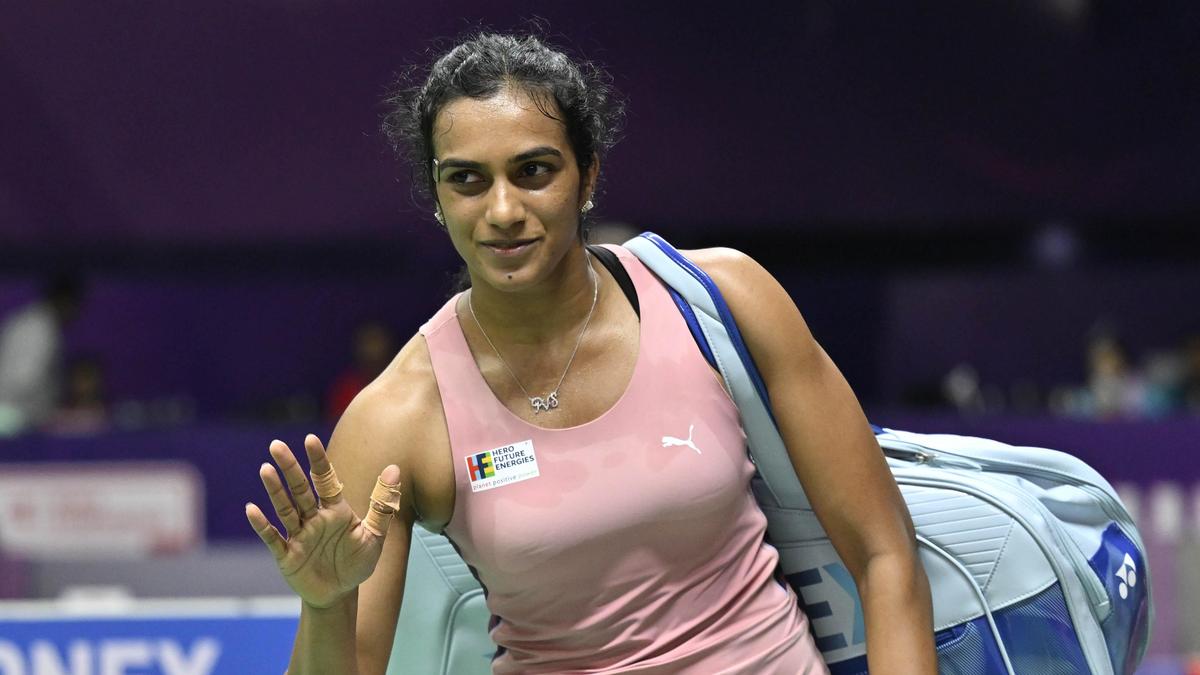
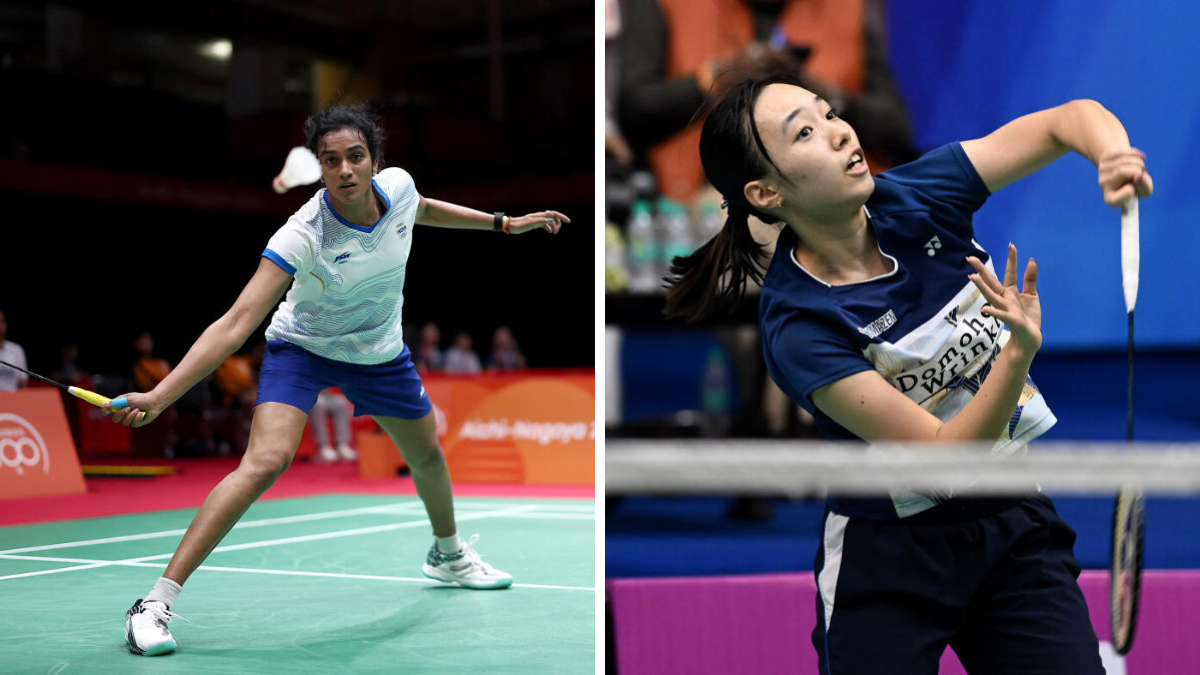
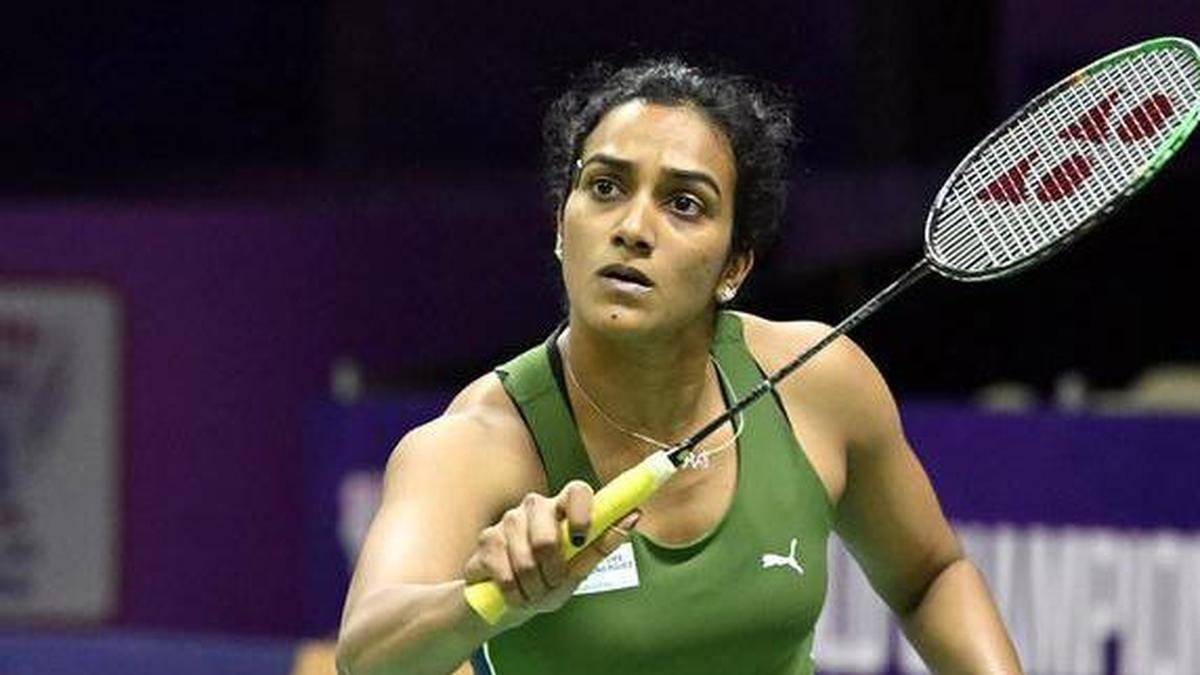
P. V. Sindhu is through to the women’s singles final of the French Open 2026 after overcoming Japan’s Hina Akechi in a gripping semifinal in Paris. The two-time Olympic medallist recovered from a second-game setback to win 21-10, 20-22, 21-16 in 73 minutes, earning her place in the title match after a demanding test of patience, movement and nerve.
The victory also marked the first meeting between Sindhu and Akechi on the BWF Tour. The Japanese player, ranked No. 22, pushed the Indian throughout the contest, particularly in the second and third games. Sindhu’s experience ultimately proved decisive as she steadied herself late in the match and converted her first opportunity to close out the decider.
Sindhu Faces Familiar Challenge in the Final
Sindhu’s next opponent will be South Korea’s An Se-young, the world No. 1 and two-time defending French Open champion. An booked her place in a third consecutive final at the tournament by beating Japan’s Nozomi Okuhara 21-12, 21-19 in 45 minutes.
The final presents Sindhu with a formidable challenge. She has lost all 10 of her previous meetings with An, who has established herself as one of the most consistent players in international badminton. Their head-to-head record gives the South Korean a clear psychological advantage, but a final is a fresh contest—and Sindhu will have the chance to draw on the confidence gained from surviving a difficult semifinal.
For badminton fans, the matchup brings together two players with contrasting strengths. An is known for her speed, defensive coverage and ability to sustain pressure, while Sindhu’s height, reach and attacking power can turn a rally with a decisive smash. Managing the pace of the exchanges and limiting unforced errors will be important for the Indian if she is to disrupt the champion’s rhythm.
Fast Start Gives Sindhu Control of the Opening Game
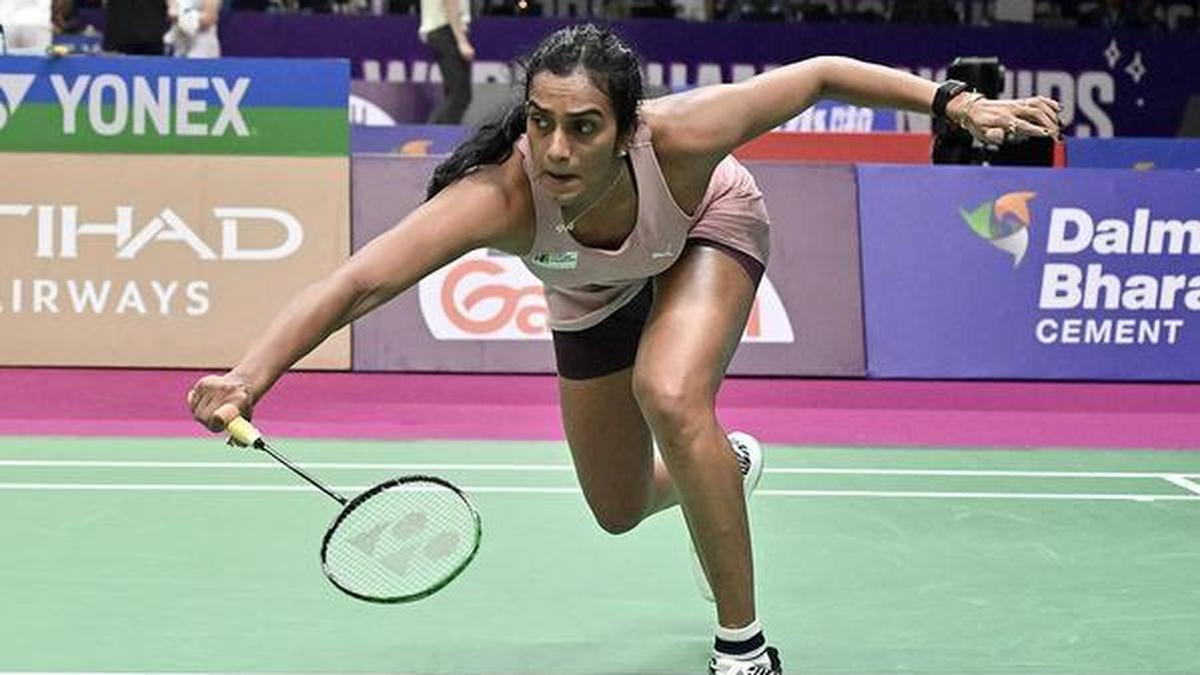
On Court 1 at the Arena Grand in Paris, Akechi began confidently, using accurate forehand smashes and cross-court placement to make Sindhu cover the full width of the court. The opening rallies were lively, with both players looking to create openings rather than settle into passive exchanges.
Akechi’s early pressure was evident when Sindhu’s racquet slipped from her hand as she tried to retrieve a smash, allowing the Japanese player to move ahead 6-5. The moment did little to disrupt the Indian for long, however. Sindhu stayed composed, matched Akechi point for point and began to find better angles with her own cross-court shots.
Sindhu reached the mid-game interval with an 11-9 lead after Akechi sent a forehand smash wide. The Indian then raised her intensity, winning four consecutive points after the restart. Akechi managed only one more point in the game as Sindhu took the opener 21-10 in 18 minutes.
The scoreline suggested a comfortable start, but the rallies showed that Akechi had the tools to trouble the former world champion. Her ability to change direction and attack from the forehand side would become even more important in the next game.
Akechi Forces a Decider
Akechi changed her approach in the second game, using the court more effectively and making Sindhu move from corner to corner. The tactic paid off early: the Japanese player surged to a 5-1 lead and put the Indian under pressure to respond.
Sindhu gradually worked her way back into the contest. She used sharp cross-court winners to pull Akechi out of position and level the score, while both players continued to exchange points in a close game. Akechi held a narrow advantage at the interval, but the contest remained finely balanced.
The Japanese maintained her intensity after the break and led 16-14. Sindhu again found a way to draw level, relying on her attacking placement to narrow the gap. Akechi earned game point with a high, delicate shot, but Sindhu answered with a controlled tap to send the game into a tie-break.
Akechi kept her composure in the closing exchanges and won the 28-minute game 22-20. By taking the second game, she erased Sindhu’s early advantage and ensured the semifinal would be decided in a decider.
Sindhu Holds Firm in the Decider
The third game brought a different kind of pressure. Akechi celebrated her points with growing energy, while Sindhu had to stay focused amid the momentum swing. The Indian edged ahead 11-9 at the interval, but Akechi refused to let the match slip away.
After the break, the Japanese player mounted a determined comeback, cutting into a five-point deficit and drawing level at 14-14. At that stage, the semifinal was again in the balance. Sindhu responded with the experience that has carried her through major international matches, tightening her shot selection and putting Akechi under pressure with purposeful attacking play.
The Indian secured four match points and converted the first, completing a 21-16 win in the deciding game. The result ended Akechi’s challenge and confirmed Sindhu’s place in the French Open final.
A Second Final of the Season for the Indian Star
The Paris final will be Sindhu’s second title match of the year. Her first came at the Japan Open in July, where she went on to lift the trophy. Reaching another final reflects her ability to build momentum across tournaments, while the three-game win over Akechi offers a timely test of her resilience before facing An.
Sindhu will now look to combine her attacking strengths with the patience required to challenge the world No. 1. An’s record in their previous meetings makes her the clear favourite on paper, but the Indian has experience on badminton’s biggest stages and will be eager to make the most of another opportunity to compete for a major title.
With the French Open crown at stake, the final promises a compelling contest between Sindhu’s power and An’s consistency. For fans following the tournament, the central question is whether Sindhu can turn her hard-fought semifinal momentum into a breakthrough against the defending champion.