
Real Madrid’s Refereeing Record in Focus Ahead of Sevilla Clash
Real Madrid will welcome Sevilla to the Santiago Bernabéu for a Spanish league fixture on Sunday, with referee Mateo Busquets Ferrer appointed to oversee the match. The appointment has drawn attention to the teams’ records under the officials involved, particularly with Guillermo Cuadra Fernández assigned to the VAR room.
For supporters following the football prediction conversation before kickoff, the referee statistics offer useful context—but they should not be mistaken for a reliable forecast of the result. Form, tactics, player availability and key moments are likely to matter far more than historical records alone.
Mateo Busquets Ferrer takes charge
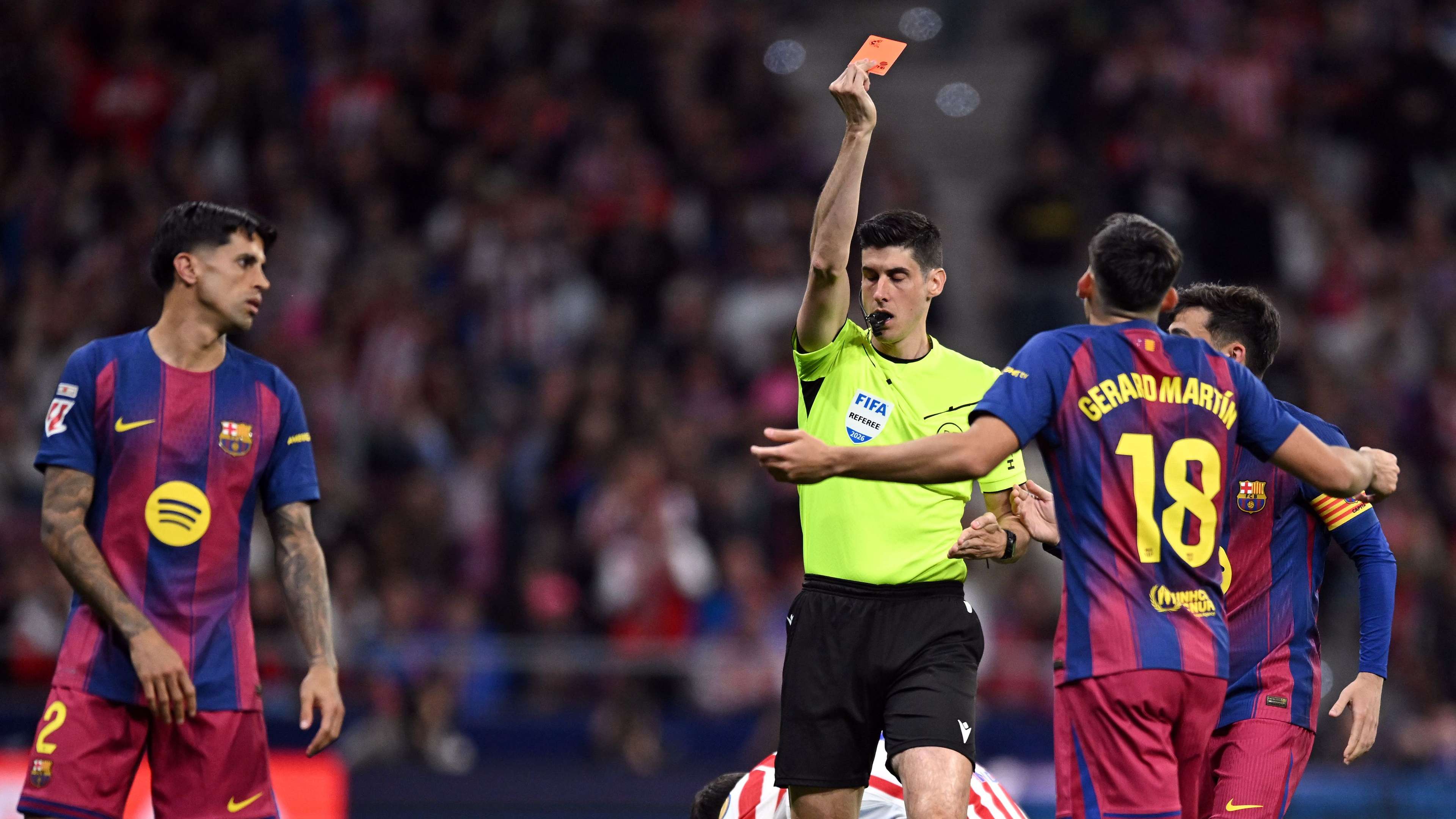
At 32, Busquets Ferrer is among the youngest referees working in Spain’s top division and is regarded as a promising official. Sunday’s appointment will not be his first time in charge of a Real Madrid match this season. He also refereed the club’s second-round meeting with Real Sociedad, which ended in a convincing 4-1 victory for Los Blancos.
The upcoming contest will be his ninth match involving Real Madrid. The club’s record in his previous eight appearances is positive: six wins and two draws, with no defeats. The draws came against Atlético Madrid and Las Palmas, meaning Madrid have avoided a loss in every game he has officiated so far.
Those figures may encourage Madrid fans, but they need to be read in context. A referee’s past matches involve different opponents, line-ups and circumstances, and the official does not determine a team’s performance. Still, the record is likely to feature in pre-match discussion as Madrid look to make the most of home advantage against a Sevilla side with its own ambitions.
Sevilla’s record under the referee
Sevilla have encountered Busquets Ferrer 11 times, winning eight matches and losing three. That is also a strong historical return, although it does not guarantee anything in the latest meeting. The numbers suggest both clubs have generally performed well when he has been in charge, making the referee’s record less of a clear advantage for either side.
The match itself presents a more immediate test. Real Madrid will be expected to set the tempo at the Bernabéu, while Sevilla will look for opportunities to disrupt the hosts’ rhythm and turn pressure into counterattacking chances. In a fixture between two established Spanish clubs, decisions around challenges, penalty appeals and goals could quickly become part of the story.
Cuadra Fernández assigned to VAR
Much of the pre-match attention is also focused on Guillermo Cuadra Fernández, who will operate as the video assistant referee. VAR is designed to review clear and significant errors involving goals, penalties, direct red cards and mistaken identity. Even so, its involvement can attract scrutiny, especially when a decision turns on the interpretation of a close or contentious incident.
Cuadra Fernández, a Madrid-born official, has been a subject of debate among some Real Madrid supporters. According to the figures cited in the original report, Madrid have won 11 of the 21 matches he has officiated, drawing five and losing five. Those results amount to a more mixed record than the club’s history with Busquets Ferrer, although they do not establish that the official’s decisions caused the outcomes.
Past calls involving Cuadra Fernández have also prompted criticism in Spanish football, including discussion around matches involving Atlético Madrid. As with any referee, assessments of his work can differ depending on the teams involved and how supporters interpret individual incidents. The appointment therefore adds an extra talking point to an already closely watched game.
The Vinícius Júnior decision that remains debated
One incident frequently brought up by critics involved a Real Madrid meeting with Sevilla. A goal by Vinícius Júnior was disallowed after the ball appeared to make contact with his arm as he controlled it. The decision led to debate over whether the Brazilian had used his shoulder or an illegal part of his arm, and whether the available footage provided enough evidence to overturn the goal.
Such moments help explain why VAR appointments attract so much attention. Video review can offer officials additional angles and time to assess an incident, but it cannot remove every disagreement—particularly when the question involves where the ball touched a player or whether contact was deliberate. The technology is intended to correct clear errors, not to eliminate all subjective judgment from football.
For Sunday’s match, the key will be how the officials manage the game in real time and communicate decisions when reviews are required. Players will need to stay composed, while both coaching staffs will be aware that a major call could influence the contest’s momentum.
What the appointments mean for the match
Referee records can add colour to a pre-match preview, but they are only one small part of the wider picture. Real Madrid’s unbeaten run under Busquets Ferrer and Sevilla’s eight wins in 11 games with him are interesting statistics, not a dependable football prediction. Neither set of figures accounts for current form, tactical match-ups, injuries or the pressure of playing at the Bernabéu.
The VAR assignment may prove more consequential if a disputed goal, penalty or red-card decision emerges. Until then, the focus will remain on the players and the tactical contest. Madrid will aim to impose themselves in front of their home crowd, while Sevilla will hope to keep the game competitive and take advantage of any openings.
With a promising young referee on the pitch and an experienced official in the VAR room, the officiating team will be under close observation. But the outcome will ultimately be shaped by the quality of the football, the teams’ execution and how they respond to the defining moments of the match.