
Frenkie de Jong Impresses at Centre-Back as Barcelona Thrash Alavés
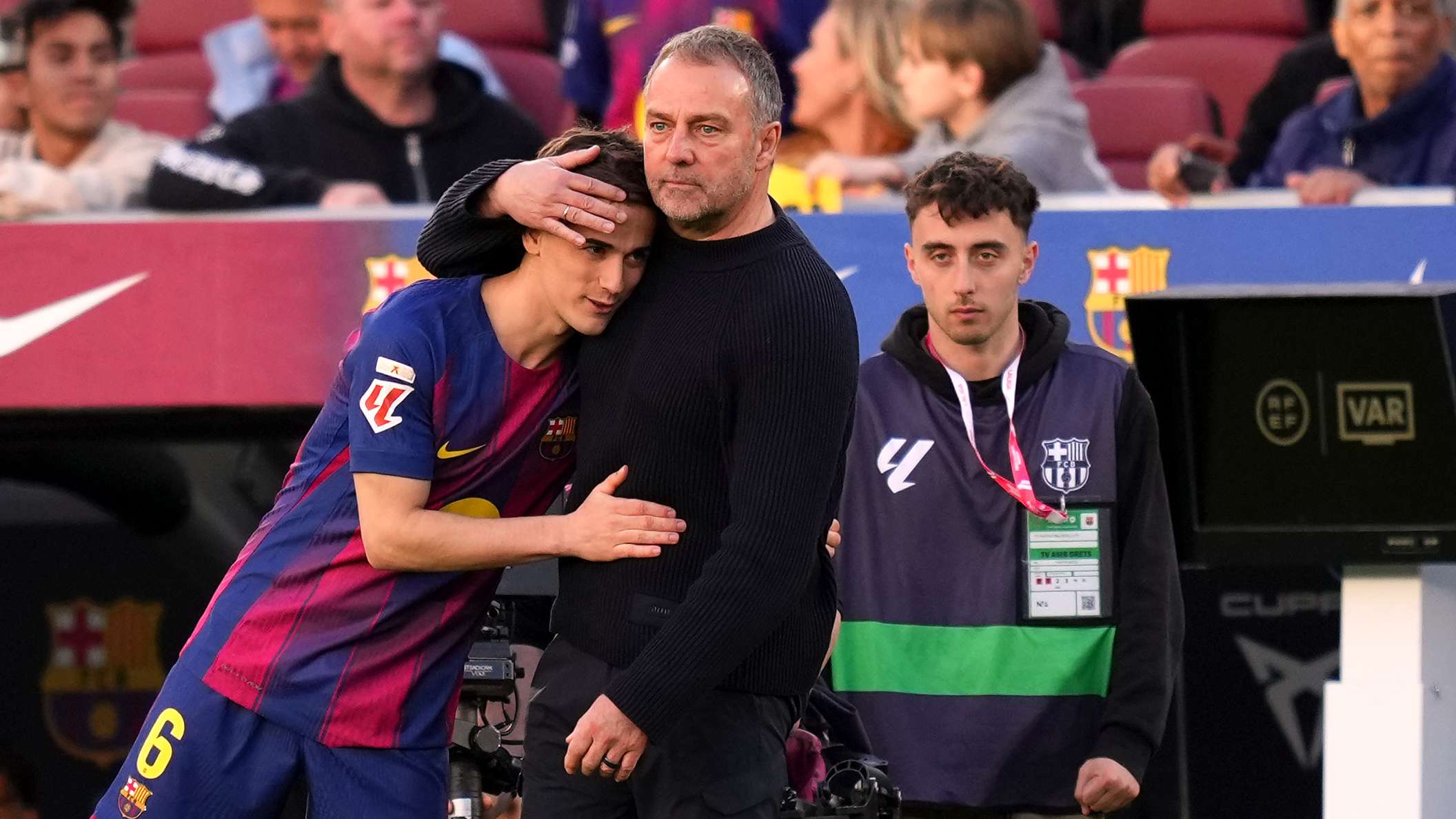
Frenkie de Jong’s return to Barcelona’s starting line-up brought an unexpected twist: the Dutch midfielder was deployed in central defence. The tactical experiment paid off in a commanding 6-1 win over Alavés at the Spotify Camp Nou, with Spanish newspapers praising his composure, defensive awareness and quality on the ball.
The match marked De Jong’s first start since suffering an injury at the World Cup. With Barcelona dealing with several defensive absences, head coach Hansi Flick selected him alongside Pau Cubarsí at centre-back. Although the role was familiar from De Jong’s time at Ajax under Erik ten Hag, it was his first appearance there for Barça.
Barcelona Take Control Before Half-Time
Barcelona set the tone early, building a four-goal advantage by the interval. Raphinha struck twice, while Fermín López and Lamine Yamal also found the net. The hosts’ attacking movement and quick combinations left Alavés with little time to settle, giving the home crowd plenty to celebrate before the break.
Yamal added another goal after half-time, and Anthony Gordon also got on the scoresheet as Barça extended their lead. Mariano Díaz scored a late consolation for Alavés, finishing to make it 6-1. The result offered a convincing display of Barcelona’s attacking depth, while De Jong’s performance in an unfamiliar position became one of the evening’s main talking points.
Spanish Newspapers Praise De Jong’s Display
La Vanguardia awarded De Jong an 8, highlighting both his technical control and work rate. The newspaper noted that he was making his first start of the season and doing so as a central defender, describing him as tidy in possession and energetic without the ball. It also suggested that the applause he received from the stands reflected a player keen to make a strong impression on his coach.
MARCA and Diario SPORT also gave the Netherlands international a rating of 8. SPORT acknowledged that De Jong sometimes found the physical contests challenging, but praised his timing when stepping in to intercept and his ability to anticipate danger. One particularly notable intervention came during a move involving Lucas Boyé inside the penalty area.
His contribution was not limited to defending. De Jong was willing to carry the ball forward, dribble into space and occasionally move beyond the midfield line to help Barcelona progress their attacks. That skill is a natural part of his game, but it can be especially valuable for a team trying to build play from the back under pressure.
Mundo Deportivo also viewed the performance positively. The publication noted that Flick had turned to De Jong because of the club’s injury problems and said the midfielder handled his ground-level marking reliably. While the match did not place him under constant defensive pressure, he showed enough to encourage the coaching staff. Mundo Deportivo also highlighted his composure in possession and the warm response from supporters when he was substituted.
Flick Sees De Jong as a Useful Defensive Option
Flick was similarly pleased with the experiment, saying De Jong had demonstrated that he could play at centre-back when circumstances required it. The coach praised the player’s performance and made clear that he was satisfied with what he had seen.
That approval matters beyond a single match. De Jong is best known as a midfielder, where his close control, passing range and ability to escape pressure help Barcelona dictate possession. At centre-back, those same qualities can offer a different route through an opponent’s press. Rather than relying only on long clearances, Barça can use his ability to carry the ball into midfield and create an extra passing option.
However, the role also presents a different set of demands. Central defenders must manage aerial and physical duels, maintain a close relationship with their defensive partner and make decisions where a mistake can quickly lead to a scoring chance. De Jong’s performance against Alavés was encouraging, but one game cannot establish whether he will become a regular option there. The level of pressure, pace and direct attacking threat varies considerably from match to match.
What the Tactical Experiment Could Mean for Barcelona
For Flick, De Jong’s versatility offers valuable cover during a crowded schedule and an injury-hit period. Barcelona may not need to make a permanent change to his position to benefit from the experiment. Even the possibility of using him in defence for selected fixtures could give the coach more flexibility when choosing a formation or managing available players.
The performance may also influence future football prediction discussions around Barcelona’s line-up. Supporters and analysts will be watching to see whether Flick uses De Jong at centre-back again, particularly when defensive options are limited or when Barça want a ball-playing defender capable of stepping into midfield. His suitability will depend on the opponent, the available defenders and the balance the team needs between physical security and controlled build-up.
For now, the 6-1 victory provided a successful return to the starting XI for De Jong and a useful tactical test for Flick. The Dutchman was not asked to solve every defensive problem on his own, but he showed calmness, anticipation and confidence on the ball. With Spanish media outlets awarding him strong ratings and his coach publicly endorsing the experiment, De Jong has made a persuasive case as an emergency centre-back option—while remaining an important part of Barcelona’s plans in midfield.