
Barcelona’s First-Half Scoring Drought Raises Questions After Clasico Setback
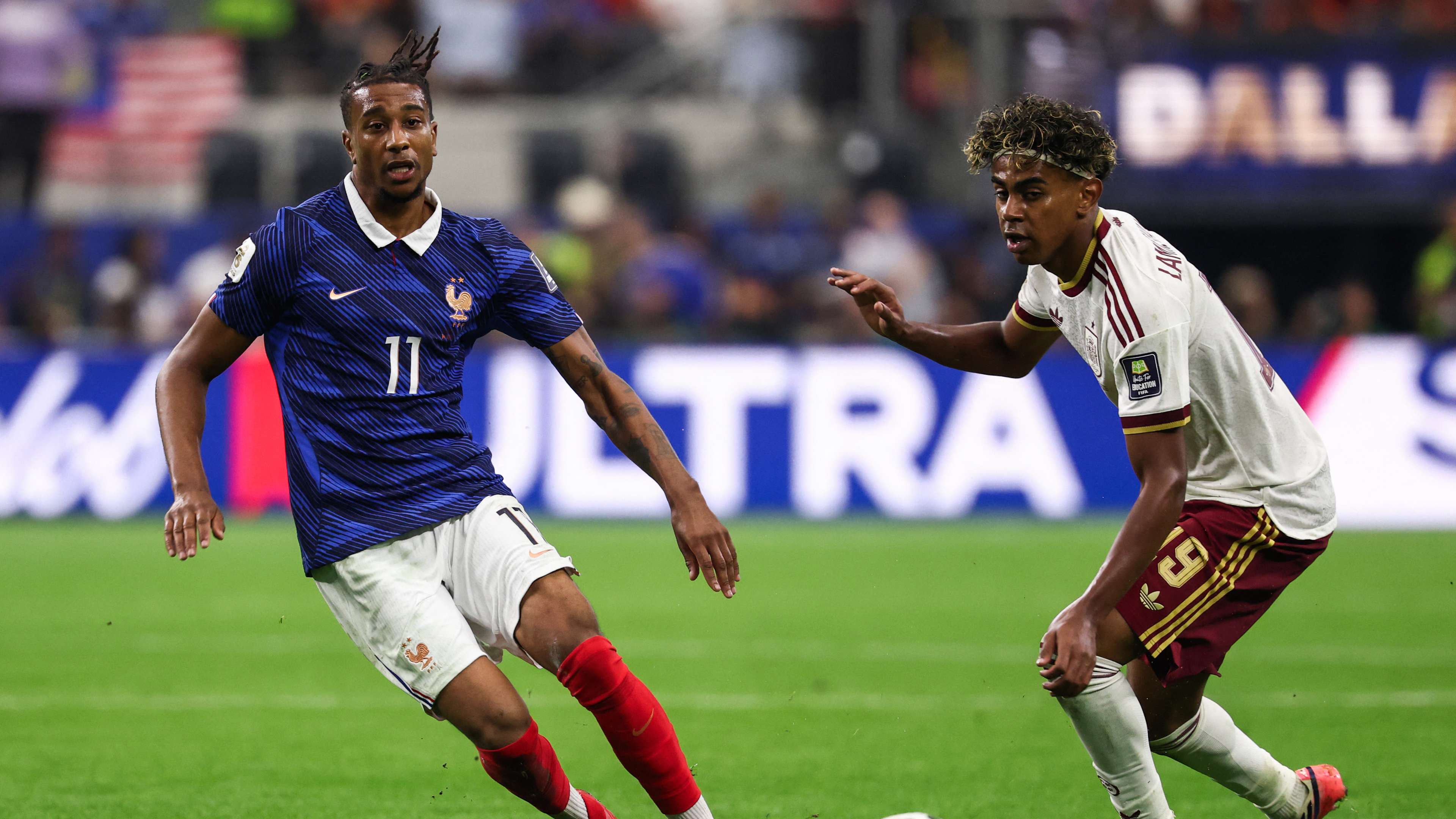
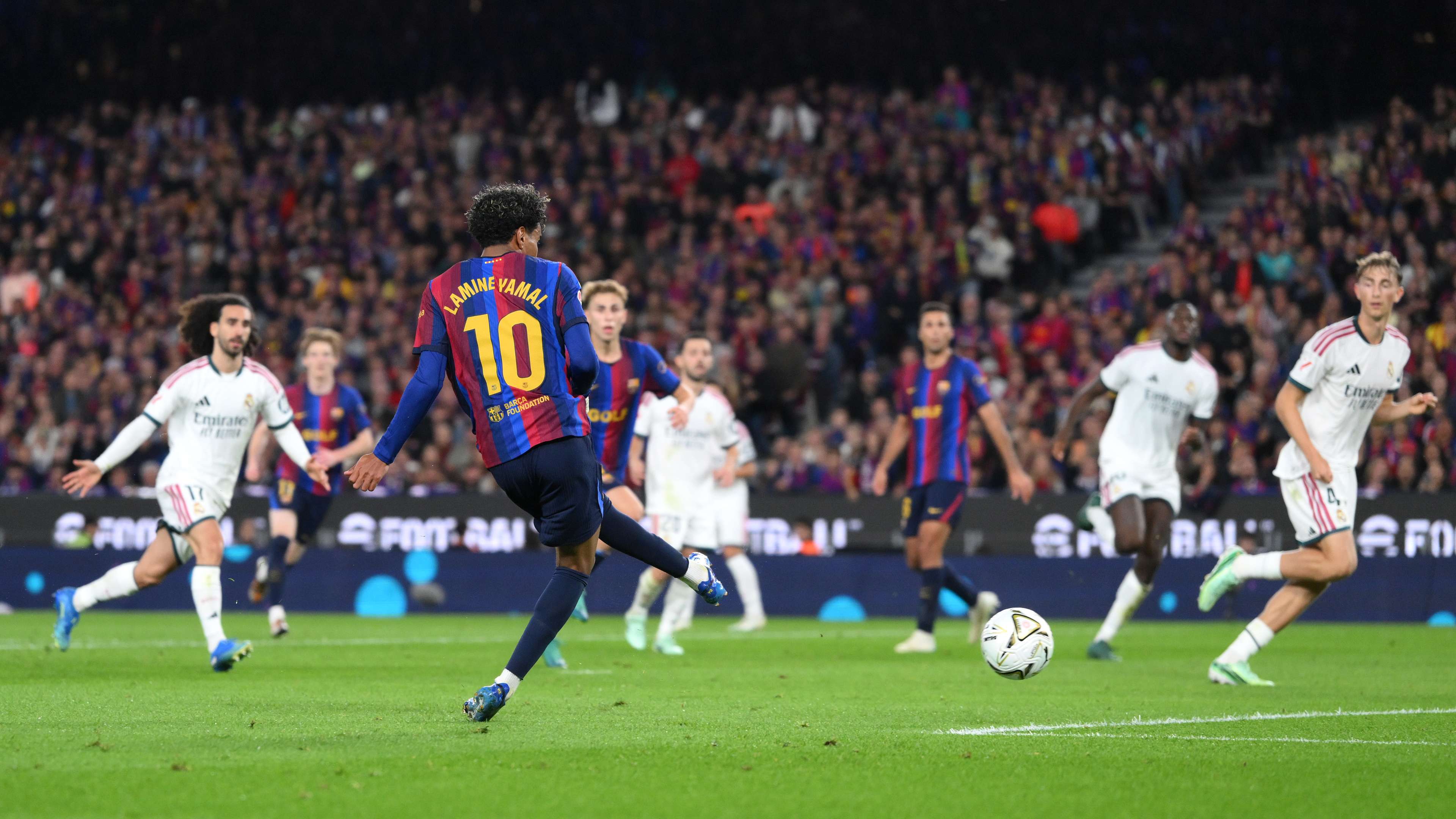
Barcelona’s inability to score before half-time in the Clasico against Real Madrid has added a fresh concern to their recent run of high-profile matches. The Catalans entered the break without a goal for the second time in a week, repeating a pattern from their Champions League meeting with Paris Saint-Germain and highlighting a dip in their attacking impact during the opening 45 minutes.
Against Real Madrid, the problem proved costly. Kylian Mbappé struck in the 42nd minute to give the hosts the lead in the tenth-round La Liga fixture, leaving Barcelona with a deficit to overcome after a first half in which they struggled to turn possession and attacking intent into a goal. For a side known for its forward pressure and technical control, the repeated blank first halves will invite scrutiny from supporters and analysts alike.
A Rare Pattern in Barcelona’s Season
Before the PSG match, Barcelona had scored in the first half of every game they had played this season, according to the supplied match report. Their failure to find the net in Paris therefore stood out as an unusual interruption to an otherwise productive start. The Clasico then brought a second first-half shutout just days later.
Two scoreless openings in such a short period do not necessarily signal a lasting crisis. However, the timing matters: both games came against elite opponents capable of disrupting Barcelona’s rhythm and punishing mistakes. When the opposition can press aggressively, defend compactly and transition quickly, even a team with Barcelona’s technical quality may find its usual attacking routes harder to access.
The statistic also points to a specific challenge rather than a complete loss of threat. Barcelona still had the second half to respond in Madrid, just as they had opportunities to adjust in their European contest. The key question for head coach Hansi Flick is whether the team can make its attacks more decisive before opponents gain the confidence that comes with a clean sheet at half-time.
How Real Madrid Made the Difference
Mbappé’s late first-half goal changed the complexion of the Clasico. Scoring just before the interval can be especially damaging: it gives the team in front a psychological lift while forcing the trailing side to reconsider its approach during the break. Barcelona had to balance the need to attack with the risk of leaving space for Real Madrid’s dangerous counterattacks.
Real’s threat is not limited to one player. Mbappé’s pace and movement can stretch a defence, while Madrid’s ability to move quickly from recovery to attack puts pressure on opponents who commit numbers forward. That makes Barcelona’s defensive spacing and decision-making important parts of the attacking conversation. A team that loses the ball in advanced areas can find itself defending at speed before it has time to reorganise.
At the other end, Barcelona needed more than possession for its own sake. Against a well-drilled rival, control of the ball must be accompanied by sharp movement, accurate final passes and enough variety to unsettle the defensive line. If attacks become predictable, Real can narrow the available space and wait for a chance to break.
Flick’s Half-Time Challenge
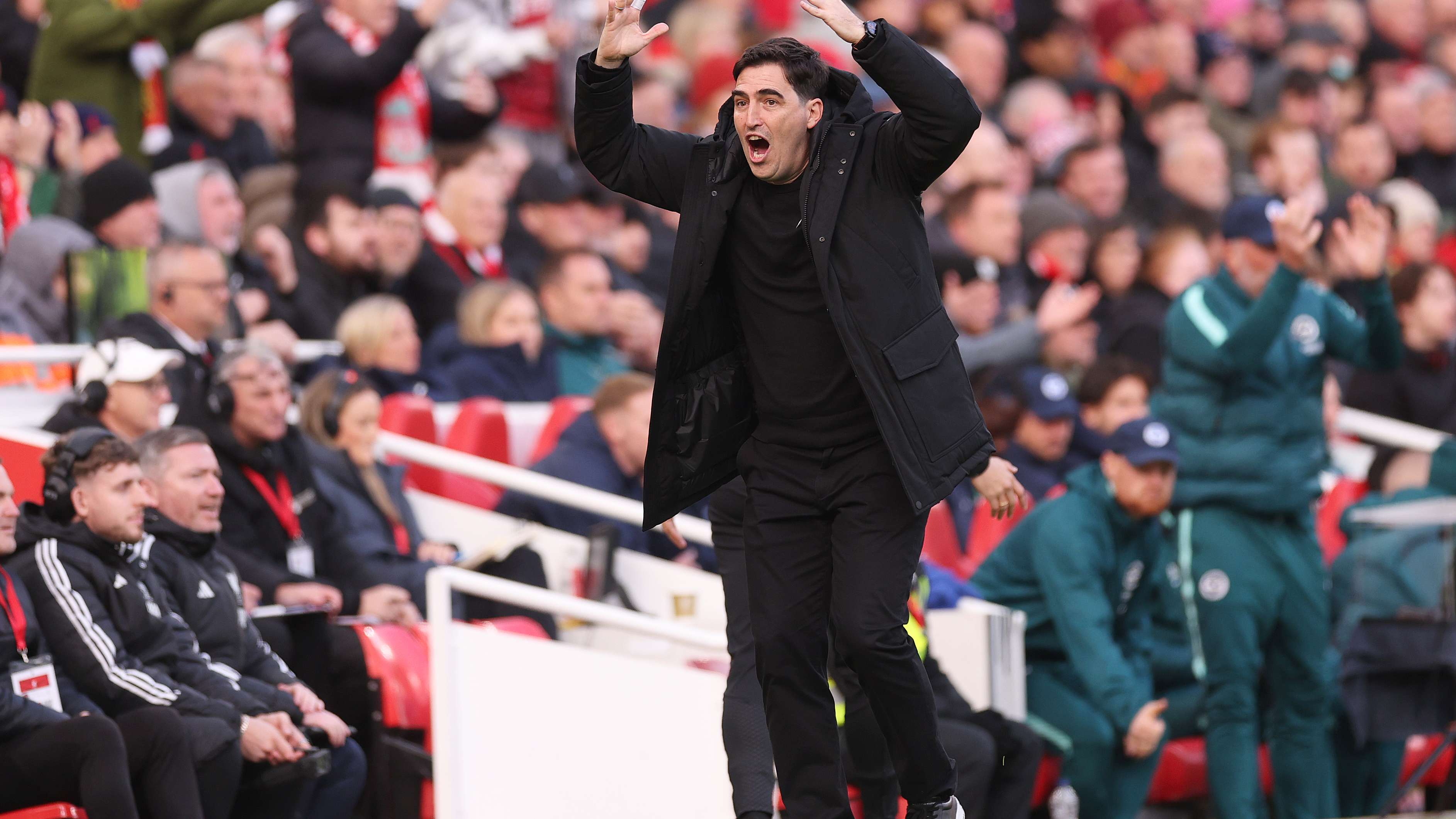
Flick’s immediate task was to restore Barcelona’s attacking bite after the interval. That could mean raising the tempo, moving the ball more quickly into dangerous areas or asking forwards to make more direct runs behind the defence. Changes in positioning may also help create overloads on one side of the pitch before switching play to the other.
Barcelona’s response would depend on finding the right balance. Pushing more players forward can increase the chance of an equaliser, but it can also expose the defence to Mbappé and Madrid’s other attacking options. Flick therefore had to consider not only how to create chances, but how to protect his team if an attack broke down.
Substitutions could provide another route to a change in momentum. Fresh legs may help Barcelona press with greater intensity or bring a different profile to the final third. Yet tactical adjustments are only effective if the players execute them with composure. In a Clasico, urgency can quickly become rushed decision-making, particularly when the scoreboard is against you.
What the Scoreless First Half Means for Barcelona
For Barcelona fans, the repeated first-half blank is a talking point, but it should be assessed in context. Facing PSG and Real Madrid in quick succession is a demanding test, and the quality of those opponents can make it difficult to reproduce the same attacking fluency seen against other teams. The pattern is worth watching, but two matches alone do not establish a season-long trend.
Still, the timing offers Flick useful information. Barcelona’s attacking plan must be flexible enough to cope when opponents close central spaces or press the ball carrier. More movement between the lines, quicker combinations around the penalty area and greater use of width could help the team avoid becoming too dependent on a single route to goal.
The Clasico also underlines how fine the margins are in elite football. Barcelona had gone into the match with a strong scoring record, yet one first-half goal from Mbappé shifted the pressure onto the visitors. Against rivals of this calibre, a slow start or a missed opportunity can have consequences well beyond the moment itself.
Barcelona vs Real Madrid: Second-Half Prediction
Any football prediction for a Clasico must account for the quality and unpredictability of both sides. Barcelona had the motivation to push for a response, while Real Madrid could use its lead to defend more compactly and look for counterattacking openings. The second half was therefore likely to hinge on whether Barcelona could create sustained pressure without leaving too much space behind.
If Flick’s team improved its movement and increased the speed of its attacks, an equaliser remained possible. But Real’s pace in transition meant Barcelona could not afford to lose possession carelessly. The first-half statistics offered a clear warning: against top-level opposition, Barcelona need to make their attacking threat count early, not simply rely on a strong finish after the break.
Whatever the final outcome, the back-to-back scoreless first halves against PSG and Real Madrid gave Barcelona a specific issue to address. Their challenge is not just to score more often, but to begin big matches with the urgency, precision and variety needed to unsettle elite defences from the opening whistle.