
Leadership Challenge at Chelsea: Reece James and Emi Martinez Under Scrutiny Amidst Defensive Struggles
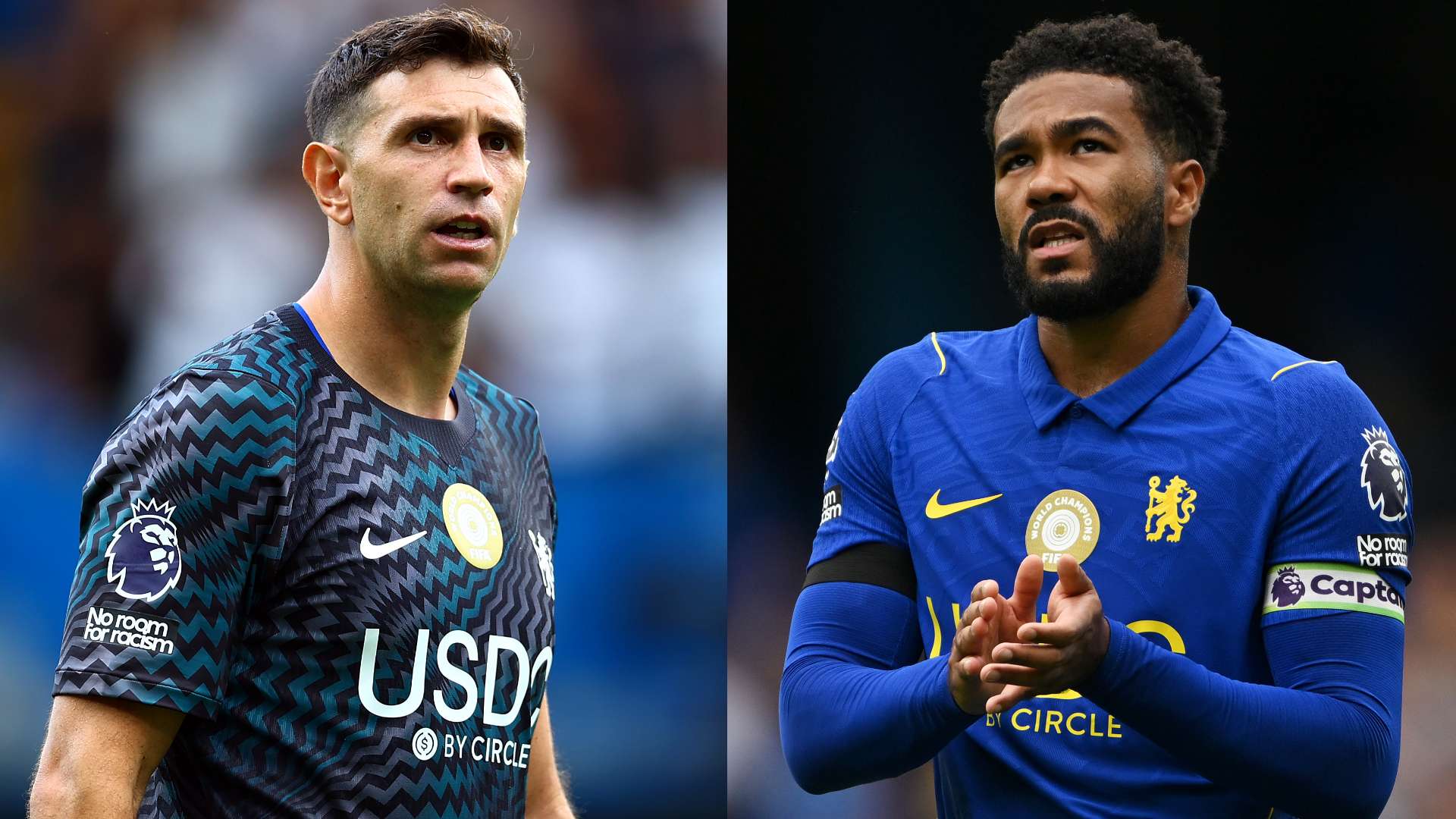
In the ever-evolving landscape of football, leadership within a squad can often be the difference between success and stagnation. At Chelsea, a club renowned for its competitive spirit and rich history of triumphs, recent developments have highlighted the vital role of seasoned players in steering the team through challenging times. Notably, young defender Reece James and goalkeeper Emi Martinez have been entrusted with a significant leadership challenge—a call to elevate their influence on and off the pitch amidst a period of defensive fragility.
Frank Lebouef’s Insight: The “Too Nice” Culture and the Need for Stronger Leadership
Former footballer and respected analyst Frank Lebouef recently shared his candid assessment of Chelsea’s current squad dynamics. Speaking exclusively to GOAL, Lebouef emphasized that the Blues have, in his view, become “too nice” as a collective. This culture, while often fostering camaraderie and team spirit, can sometimes hinder the development of a resilient and assertive leadership structure necessary for high-stakes competitions.
Lebouef argues that it is crucial for senior figures, particularly those wearing the captain’s armband—such as Reece James—to take a more proactive stance. He believes that asking tough questions, addressing lapses, and holding teammates accountable are essential steps to foster a more disciplined and focused environment. Such leadership is especially important given the current defensive struggles, with clean sheets proving elusive for Chelsea in recent fixtures.
The Role of Reece James and Emi Martinez in Restoring Defensive Solidity
Reece James, a versatile and technically gifted defender, has often been hailed as a future captain material, owing to his leadership qualities on the field. However, his influence is being tested as Chelsea’s defensive record has been inconsistent, with the team conceding goals at an alarming rate. Lebouef’s call for James to embrace a more commanding presence underscores the need for defenders to take ownership of the backline and communicate more assertively during matches.
Meanwhile, Emi Martinez, primarily known for his exceptional goalkeeping at Aston Villa and Argentina’s national team, has recently joined Chelsea with high expectations. As a leader between the sticks, Martinez’s experience and calm demeanor can serve as a stabilizing force. Yet, the challenge lies in translating individual talent into collective resilience—organizing the defense, motivating teammates, and demanding high standards from those around him.
Understanding Chelsea’s Defensive Challenges and the Prediction Outlook
Looking at Chelsea’s recent form, the team’s defensive frailties have become a focal point for fans, pundits, and analysts alike. The inability to secure clean sheets has raised concerns over the team’s tactical discipline and overall defensive organization. Many football prediction experts suggest that the team’s fortunes could hinge on leadership stepping up to instill a more structured defensive approach.
Predictive models highlight that for Chelsea to turn their season around, strategic improvements are necessary. This includes not only recruitment or tactical adjustments but also fostering a culture of accountability and assertive leadership. The emergence of players like Reece James and Emi Martinez as vocal leaders could be pivotal in shaping the team’s future performances. Their ability to command respect and drive intensity in training and matches will be critical factors in upcoming predictions for the club’s success.
The Broader Context: Leadership in Football and Its Impact on Performance
Leadership is a cornerstone of success in football, influencing team cohesion, tactical discipline, and mental toughness. The best teams often boast senior players who lead by example, motivate teammates, and maintain high standards during both training and matches. Chelsea’s current predicament serves as a reminder that leadership extends beyond individual skill—it encompasses the ability to ask difficult questions, uphold team values, and foster a winning mentality.
In recent seasons, clubs that have successfully cultivated a strong leadership culture—such as Liverpool with Jordan Henderson or Manchester City with Vincent Kompany—have demonstrated how vital these qualities are for sustained success. For Chelsea, developing similar leadership profiles within their squad could be the key to reversing their defensive woes and elevating their overall football prediction outlook for the remainder of the season.
Strategic Steps Forward: Empowering Leaders and Building Resilience
To address these challenges, Chelsea’s management must focus on empowering players like Reece James and Emi Martinez to embrace their leadership roles fully. This involves providing them with the platforms to voice concerns, demand accountability, and lead by example both in training and during matches. Coaches should also foster an environment where constructive criticism is welcomed, and high standards are non-negotiable.
Furthermore, implementing tactical drills that emphasize defensive organization and communication can reinforce the importance of collective responsibility. As the team develops a more resilient defensive structure, predictions for future performances are likely to improve, boosting confidence among fans and stakeholders alike.
Conclusion: A Turning Point for Chelsea’s Leadership and Defensive Fortitude
In summary, the leadership challenge facing Reece James and Emi Martinez at Chelsea encapsulates a broader necessity for cultivating a more assertive and disciplined team culture. As Frank Lebouef highlights, the squad’s current “too nice” mentality must evolve into one characterized by accountability and resilience. By rising to this challenge, Chelsea can enhance their football prediction prospects and lay the foundation for a more formidable and competitive future.
The journey ahead demands strategic leadership, tactical discipline, and a collective commitment to excellence. With young leaders stepping up and embracing their roles, the Blues could soon turn their defensive struggles into a thing of the past, setting a new standard for success in the fiercely competitive world of football.