
India’s Defensive Wall Powers Title-Winning Run at CWKC 2026
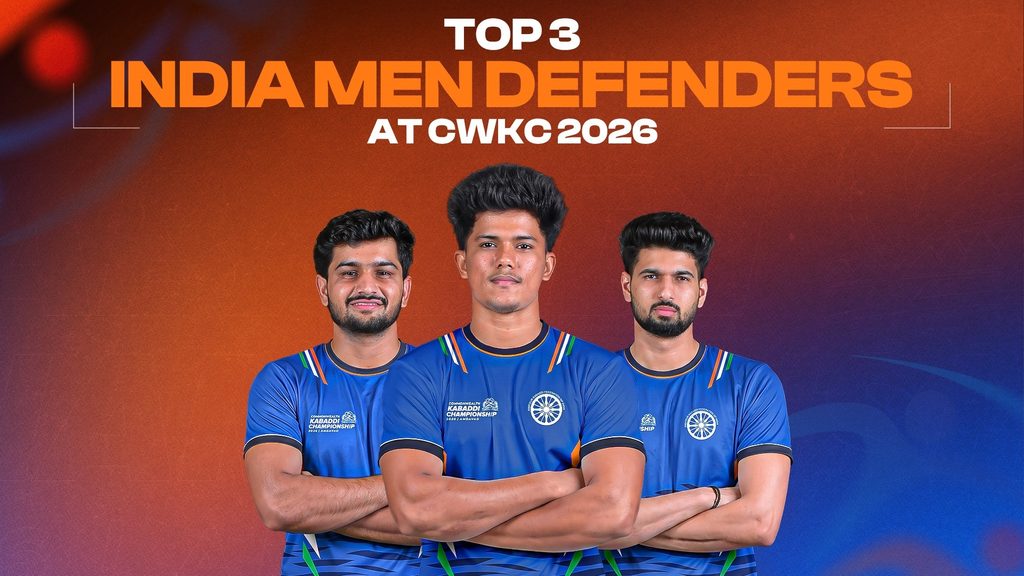
India’s men’s team secured the CWKC 2026 title with a defence that combined sharp anticipation, reliable execution and composure under pressure. While raiders often attract attention for their high-scoring raids, India’s campaign showed how a disciplined defensive unit can shape the outcome of a tournament. Deepak Sankar, Yogesh and Nitesh Kumar each made a distinct contribution, helping the team turn crucial moments into points and maintain control across the competition.
The trio brought different strengths to the mat. Deepak delivered a standout tally of 14 tackle points, Yogesh produced a flawless five-from-five performance in the final, and Nitesh offered consistency throughout the campaign. Together, they provided the stability India needed to defend effectively, support its attacking players and finish the tournament as champions.
Deepak Sankar: A Major Source of Defensive Points
Deepak Sankar was one of India’s most productive defenders at CWKC 2026, finishing the campaign with 14 tackle points. That total reflects more than a willingness to engage opponents: it points to the timing, awareness and decision-making needed to make tackles count in kabaddi. A defender must judge when to hold position, when to commit and how to work with teammates to prevent a raider from escaping.
Deepak’s impact gave India a dependable route to points beyond its raids. Successful tackles can interrupt an opponent’s rhythm, reduce the number of players available for the next phase and shift momentum. By repeatedly contributing in defence, he helped make India harder to break down and gave the team greater balance across the mat.
His tally also highlights the value of sustained performance over a tournament. A single spectacular tackle can energise a crowd, but a defender’s broader contribution is measured in repeated, high-pressure decisions. Deepak’s 14 points made him an important part of the title-winning effort and demonstrated how defensive output can complement a team’s attacking strengths.
Yogesh Delivers When the Final Is on the Line
Yogesh saved one of his most decisive performances for the final, where he completed five tackles from five attempts. A perfect record in a championship match is a significant achievement, particularly because finals often bring heightened pressure and little room for error. Every raid can alter the scoreline, and defenders must remain patient even when opponents use feints, changes of direction and sudden bursts of speed.
Yogesh’s five-from-five showing gave India a dependable defensive presence at the moment it mattered most. Rather than allowing the pressure of the occasion to affect his execution, he converted every opportunity into a successful tackle. That efficiency helped limit the opposition’s chances and reinforced India’s control of the contest.
Performances like Yogesh’s also underline an important feature of kabaddi strategy: a defender does not need to make a high volume of attempts to have a major influence. Accuracy and timing can be just as valuable as activity. In a final, clean execution can prevent opponents from building momentum and allow a team to protect its advantage.
Nitesh Kumar Brings Consistency Across the Campaign
Nitesh Kumar’s contribution was defined by consistency throughout India’s CWKC 2026 campaign. While individual match highlights can capture attention, a title run depends on players who deliver reliably from one game to the next. Nitesh helped provide that steady presence, supporting the defensive unit as the team progressed through the tournament.
Consistency is especially important in defence because each match presents different challenges. Opponents may change their raiding approach, target specific areas or try to draw defenders out of position. A reliable defender must adapt while continuing to communicate and coordinate with teammates. Nitesh’s campaign-long contribution helped India maintain structure rather than relying on isolated moments of brilliance.
His role also illustrates how a strong defensive unit is built through complementary skills. One player may produce a high points total, another may excel in a pressure match, and another may provide stability over time. When those qualities work together, the team can respond to different situations without losing its shape.
Why India’s Defence Made the Difference
India’s title-winning performance at CWKC 2026 was strengthened by the connection between its defenders. Deepak’s point-scoring impact, Yogesh’s flawless final and Nitesh’s sustained reliability gave the team several ways to influence a match. That variety matters in kabaddi, where momentum can change quickly and teams must be prepared for both aggressive raids and tight defensive exchanges.
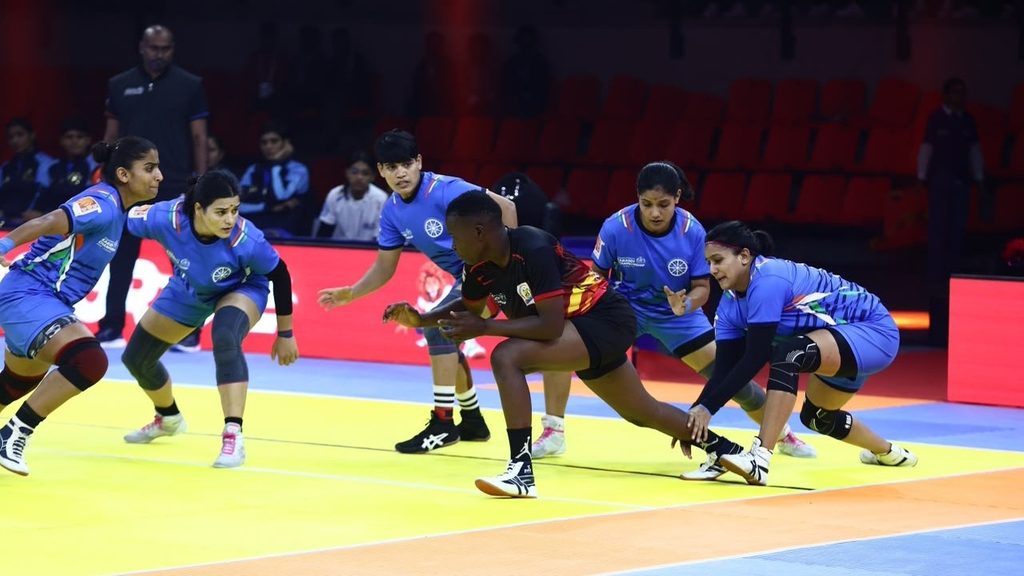
Effective defence is rarely the work of one player alone. Tackles often depend on coordination: teammates must read the raider’s movement, close off escape routes and commit at the right moment. Strong communication and trust help defenders avoid unnecessary risks while ensuring that a raider cannot exploit gaps. India’s defensive performances reflected the importance of that collective approach.
Defensive pressure can also shape the attacking side of the game. When a team limits an opponent’s scoring opportunities, its raiders may have more room to build a lead or manage the match at a measured pace. In this way, tackles do more than add points to the scoreboard; they influence confidence, tempo and tactical choices on both sides.
A Campaign Built on Skill, Timing and Teamwork
The contributions of Deepak Sankar, Yogesh and Nitesh Kumar offer a clear picture of why India’s defence was central to its CWKC 2026 success. Deepak supplied a substantial tally of tackle points, Yogesh delivered exceptional accuracy in the final, and Nitesh brought consistency across the campaign. Their performances show that championship-winning kabaddi requires more than powerful raids—it also depends on defenders who can read the game and execute under pressure.
For fans following Indian kabaddi, the trio’s work is a reminder to look beyond the headline scores. Defensive discipline, tactical awareness and dependable teamwork often determine whether a team can turn a strong campaign into a title. To follow more Pro Kabaddi League coverage, player stories and updates from the sport, visit prokabaddi.com or download the Pro Kabaddi Official App.