
Tottenham’s £400m Spending Spree Has Not Solved Every Problem, Darren Bent Says
Tottenham Hotspur invested close to £400 million ($528 million) during the summer 2026 transfer window, signalling a major commitment to strengthening the squad. Yet former Spurs striker Darren Bent believes the club still have an important gap to address. Speaking to GOAL, he described it as a “missing piece” and suggested Tottenham could look to the January market to complete their rebuild.
Bent’s assessment offers a reminder that transfer spending alone does not guarantee a balanced team. Even a busy summer can leave a squad short in a particular position, especially when a club is trying to compete across domestic and European competitions. His comments also put renewed focus on Dominic Solanke, whose future could become part of the wider conversation around Tottenham’s forward line.
Why Tottenham May Still Need Another Signing
Tottenham’s summer investment points to a club intent on raising its level, but Bent’s concern is that the squad may not yet have all the components required to meet its ambitions. A team can add depth and quality in several areas while still lacking the right profile in one crucial role. That imbalance can become more apparent once injuries, suspensions and a crowded fixture list begin to test the available options.
In modern football, squad construction is about more than assembling talented players. Managers need a blend of technical ability, physical presence, tactical flexibility and experience. They also need alternatives who can perform specific jobs when the first-choice plan is not working. Bent’s “missing piece” comment suggests he sees a need that has not been fully answered, although the exact position and player profile will depend on Tottenham’s priorities and performances over the coming months.
The issue may also be shaped by how Spurs want to play. A side that aims to dominate possession, press aggressively or attack quickly needs players suited to those demands. If one part of that system is underpowered, the entire team can lose balance. A January addition could therefore be less about making another headline signing and more about finding a player who fits a clearly defined tactical need.
January Transfer Prediction: Spurs Could Return to the Market
Bent expects Tottenham to address their remaining concern in the New Year transfer window. That is a prediction rather than confirmation of a planned deal, but it reflects a familiar pattern: clubs often use January to respond to weaknesses revealed during the first half of the season. By then, Tottenham’s coaches and recruitment staff should have a clearer view of which areas require urgent reinforcement.
The winter market can be difficult to navigate. Clubs are often reluctant to sell important players midway through a campaign, and available targets may command higher fees than they would in summer. Tottenham may therefore need to be selective, weighing the immediate benefit of a new arrival against the cost and the risk of disrupting the squad. A loan, a versatile signing or an early agreement for a summer move could all be considered, depending on the nature of the gap Bent has identified.
For supporters, the key question is not simply how much Spurs might spend next. It is whether any January recruitment would improve the team’s overall structure. A carefully chosen signing could provide depth, competition and tactical options. By contrast, adding another player without a clear role could increase squad congestion without resolving the underlying problem.
Dominic Solanke’s Future Under the Spotlight
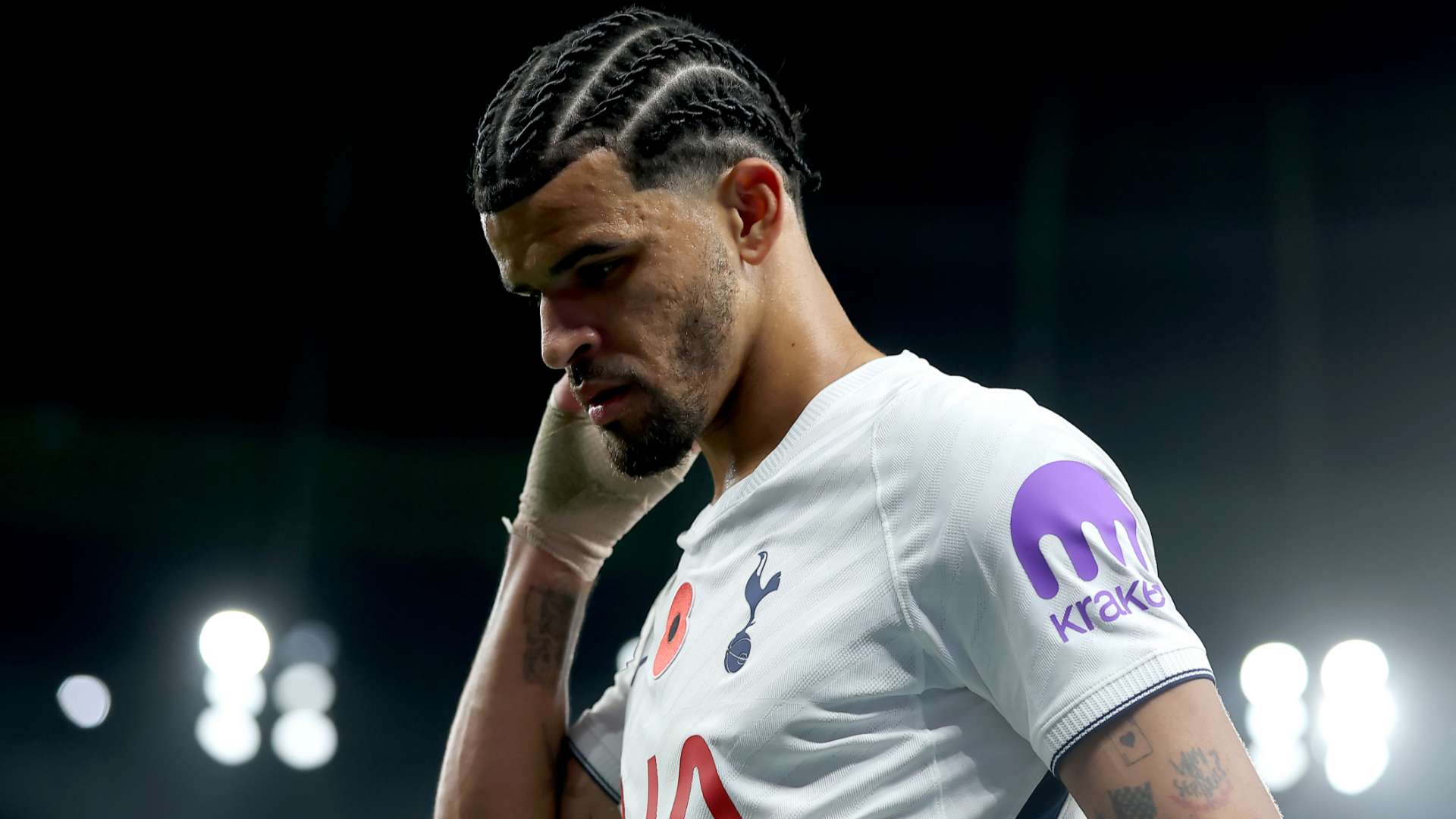
Bent has also discussed Dominic Solanke’s future, bringing the striker into the conversation about Tottenham’s attacking plans. The forward’s role is likely to be judged by more than his goals alone. His movement, link-up play, pressing and ability to create space for teammates all affect how effectively Spurs can build attacks.
As the season develops, Tottenham will need to assess whether Solanke is the right fit for the system and whether the club have enough depth in central attack. Those questions do not automatically point towards an exit. They may instead influence how Spurs use him, what kind of support he receives and whether another forward is needed to provide competition or a different tactical option.
Solanke’s situation is also connected to the broader challenge of managing a high-value squad. When a club spends heavily, expectations rise for both new arrivals and established players. Regular selection, strong performances and a clear role can help a team settle, while uncertainty can fuel speculation. Bent’s remarks do not establish what Tottenham will decide, but they underline that the striker’s place in the project is worth monitoring.
What Spurs Supporters Should Watch Next
Tottenham’s upcoming league schedule will offer important clues about the squad’s strengths and limitations. Their next listed fixture is against Ipswich in the Premier League on 21 November 2026, with kick-off scheduled for 23:00. The match will form part of the evidence available to the coaching staff as they evaluate performance levels, depth and the effectiveness of their current attacking options.
One fixture will not determine Tottenham’s January plans, but a run of matches can reveal recurring problems. Supporters will be watching to see whether Spurs can maintain consistency, cope with absences and turn possession or attacking pressure into clear chances. If a particular weakness continues to surface, the case for winter recruitment may become stronger.
Tottenham’s Rebuild Is Still a Work in Progress
The central message from Bent’s comments is that Tottenham’s summer spending has not necessarily completed the rebuild. A near-£400 million outlay represents a substantial investment, but successful recruitment depends on balance as much as volume. The club may still need one carefully targeted addition to strengthen its football identity and give the manager more dependable options.
Whether Spurs act in January will depend on results, squad availability, transfer opportunities and the club’s assessment of Solanke’s role. For now, Bent’s prediction has placed the winter window firmly on the radar. Tottenham supporters can expect continued discussion about the missing piece, the team’s forward options and whether another signing could help turn an ambitious summer into a more complete campaign.