
Hincapié’s “I don’t forget” post revives Liverpool-Arsenal rivalry
Piero Hincapié reignited a familiar storyline between Arsenal and Liverpool after the Gunners secured a 1-0 victory at Anfield on Sunday evening. The Ecuadorian defender shared a photograph on Instagram showing the gold Premier League lion on his sleeve, adding a pointed caption: “I don’t forget…”
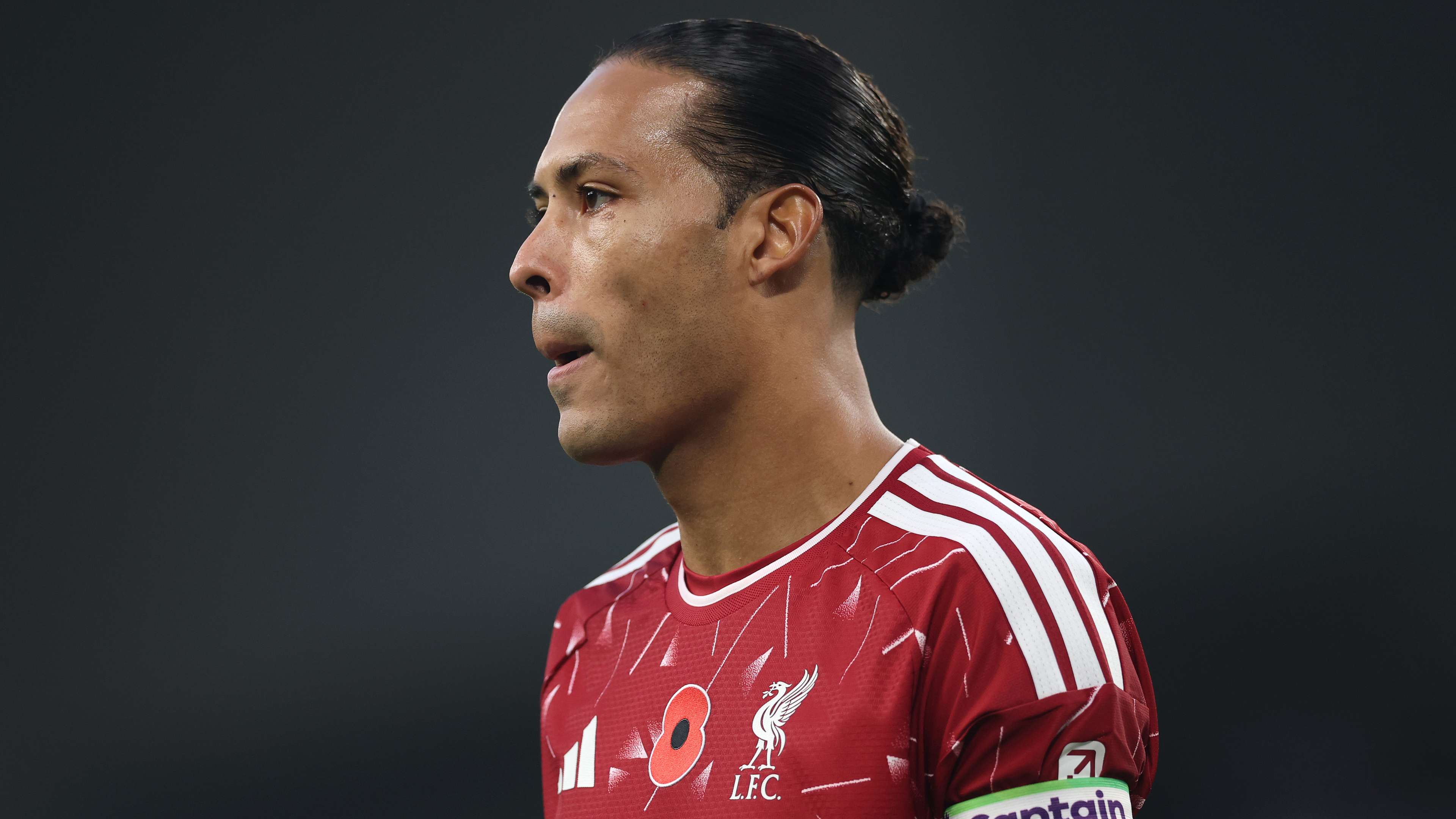
The brief message appeared to be a direct callback to a social-media post made by Liverpool captain Virgil van Dijk after the sides met at the Emirates Stadium on January 8. With the clubs’ rivalry already charged by a tense encounter, Hincapié’s reference gave the latest meeting an extra layer of drama beyond the result itself.
A sleeve badge with a story behind it
The gold emblem is more than a decorative detail. It is worn by the reigning Premier League champions, making it a visible reminder of the previous season’s success. Liverpool had the distinction in the earlier meeting, when Van Dijk posted a close-up image of his shirt sleeve displaying the gold league logo.
Arsenal now wear the badge, and Hincapié’s photograph echoed the format of Van Dijk’s post. The timing and wording suggested that the defender had not forgotten the earlier exchange. Rather than making a long statement, he let the image and caption do the work—an approach that quickly drew attention from supporters following the growing football rivalry between the clubs.
Social media has become an increasingly important part of modern football culture. A short post can extend a match’s conversation well beyond the final whistle, particularly when it connects to an earlier moment between two high-profile teams. In this case, the gold badge provided a simple visual link between the January meeting and Arsenal’s latest trip to Anfield.
Arsenal take the points at Anfield
The post followed a significant result for Arsenal, who left Anfield with a 1-0 win. Away victories at one of English football’s most demanding venues can carry considerable weight, both in the league standings and in the confidence they give a team. The narrow scoreline also underlined how fine the margins can be when two leading sides meet.
For fans seeking a quick match prediction before kick-off, the contest offered the usual uncertainty associated with Liverpool against Arsenal: intense pressure, limited space, and the possibility that one decisive moment would settle the outcome. The final score rewarded Arsenal, while leaving Liverpool to reflect on a match in which the visitors managed to secure the crucial advantage.
Hincapié, however, was not part of Arsenal’s starting lineup. The defender began the game on the bench and was brought on in the closing stages, replacing Christos Tzolis with around ten minutes remaining. His late appearance meant his Instagram post was not a reaction to a major on-field role, but it still gave him a prominent place in the post-match discussion.
A rivalry shaped by results and memories
Arsenal and Liverpool have a long history of competitive meetings, and recent clashes have added fresh chapters to that story. The teams are often judged not only by their performances on the day but also by what a result might mean for their broader ambitions. That context makes small gestures—such as a photograph of a shirt badge—particularly easy for supporters to interpret as part of a continuing exchange.
Hincapié’s caption did not spell out the reference, and neither did it need to. The earlier Van Dijk image supplied the context for fans who remembered it. His post could be read as playful payback, a reminder of the previous meeting, or simply a way to celebrate Arsenal’s status as the current holders of the gold emblem. The ambiguity helped the message travel, with supporters able to debate its meaning without the defender offering a detailed explanation.
That kind of understated response is common in elite sport, where players’ online activity can become an extension of the competition. A caption may be brief, but it can carry a message about confidence, memory, or team identity. Here, the badge itself was central: it represented a title won on the pitch, while also serving as a visual prompt for the earlier exchange between the two clubs.
What the moment means beyond social media
Hincapié’s post should not overshadow the result or the tactical work that produced it. Arsenal’s 1-0 victory was the headline sporting event, while the Instagram message became a memorable side story. Still, moments like this help explain why major football fixtures remain compelling after the match ends. Supporters follow the score, but they also track the personalities, rivalries, and small details that give each meeting its own character.
For Arsenal, the win at Anfield offered a valuable result and another opportunity to reinforce their standing among the Premier League’s leading teams. For Liverpool, the defeat provided a reminder of how demanding these encounters can be, especially when opponents are disciplined enough to protect a narrow lead. The next meeting between the sides will bring its own tactical questions and fresh prediction debates, but the social-media subplot may follow them into that contest.
Hincapié’s “I don’t forget…” message was only a few words long, yet its meaning was clear to many fans: the January post had stayed in his memory. With Arsenal now wearing the gold Premier League badge, the defender turned a piece of kit into a pointed reminder—and gave a hard-fought Anfield victory an extra talking point.