
Van Dijk Holds Back on Manchester City Charges After Liverpool’s Anfield Defeat
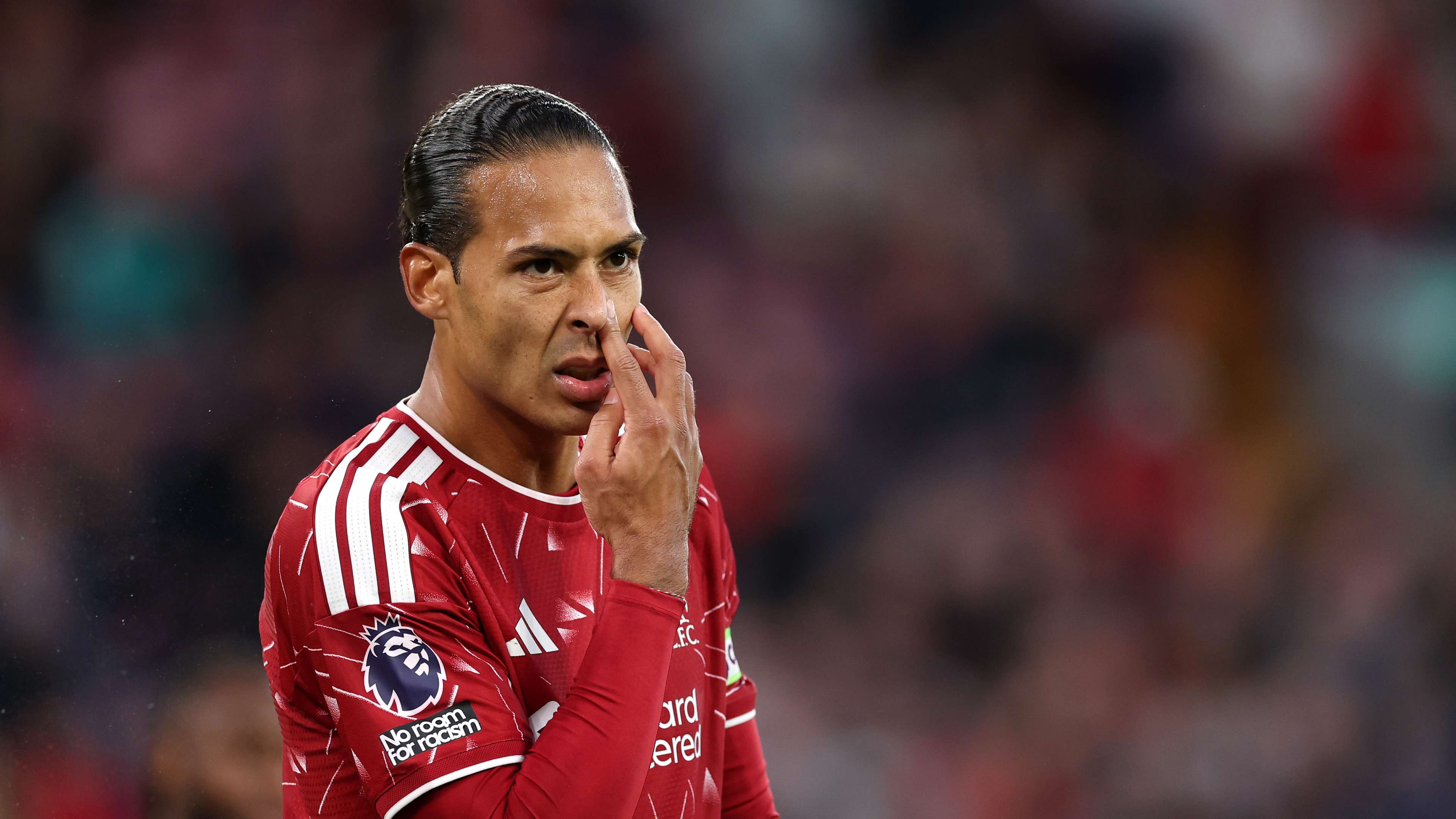
Liverpool captain Virgil van Dijk says he will share his thoughts on Manchester City’s financial-rule case once the matter has been fully resolved. For now, the Dutch defender is keeping his comments to himself, stressing that the proceedings remain ongoing and should be treated separately from events on the pitch.
His remarks came after Liverpool suffered a 3-0 defeat to City at Anfield. The match was the champions’ first appearance since a Premier League hearing found them guilty of serious breaches of financial regulations, placing the result and the wider controversy under intense scrutiny.
Van Dijk says the case is not yet settled
Asked about the verdict after the game, Van Dijk declined to give a detailed opinion. He said he had enjoyed the competition between the teams but drew a clear distinction between the football itself and the legal issues surrounding City.
“What happens on the pitch is one thing, while what happened off it is a completely different story,” Van Dijk said. He added that, because the case is still ongoing, he did not consider it appropriate to comment at this stage. Once the situation is finally settled, he said, he would be willing to share his view.
The captain’s cautious response reflects the sensitivity of a case with potentially significant consequences for the Premier League. A finding of breaches does not, by itself, mean the final outcome or any appeal process has been completed. Until the relevant procedures conclude, clubs, players and supporters are likely to face continued uncertainty over what comes next.
For Liverpool, however, the immediate concern was the match itself. City’s victory gave them a commanding result in one of English football’s most closely watched rivalries, while Liverpool were left to assess how a competitive first half turned into a difficult afternoon after the break.
Red card shifts the balance at Anfield
The contest remained goalless for around an hour, with Liverpool showing energy and organisation against a City side known for controlling possession and creating chances through sustained pressure. Van Dijk felt his team began well, bringing intensity to the game and competing effectively before the decisive moment.
The turning point came when Ryan Gravenberch was sent off after receiving a second yellow card. Liverpool were reduced to ten players, and City quickly took advantage of the extra space. Erling Haaland opened the scoring just three minutes after the dismissal, giving the visitors a crucial lead at a moment when Liverpool had little time to reorganise.
Jeremy Doku then extended City’s advantage with a curling finish, adding a moment of individual quality to a match that had become increasingly difficult for the hosts. Rayan Cherki completed the 3-0 scoreline in the 78th minute, underlining City’s control in the closing stages.
Van Dijk said the sending-off changed the course of the match, particularly because Liverpool conceded so soon afterwards. Playing a man down against a team capable of moving the ball quickly and stretching defensive lines made it harder for the home side to recover. The early second-half goal also forced Liverpool to chase the game while managing a numerical disadvantage.
Liverpool’s first-half promise offers some encouragement
Despite the final score, Van Dijk pointed to Liverpool’s opening-half performance as a positive. He said the team had shown enthusiasm and competed well, though he acknowledged there were moments when they could have made better decisions during counter-attacks.
That observation offers a useful focus for Liverpool’s review. Against an opponent that often presses aggressively, quick transitions can provide opportunities to attack before the defence is set. Making those moments count requires accurate passing, well-timed runs and composure—qualities Liverpool will want to sharpen in future meetings with elite opposition.
The red card inevitably altered the tactical picture, but Liverpool’s challenge began before the dismissal. The team will need to examine how it can preserve its attacking threat while limiting the risks of losing possession in dangerous areas. Against City, even brief lapses can quickly become decisive, especially when the visitors have the numbers and technical quality to exploit them.
Anfield atmosphere remains a source of belief
Van Dijk also praised the Anfield crowd, describing the atmosphere as consistently strong during major occasions. The stadium has long been associated with intense European and domestic nights, and the Liverpool captain said he had been fortunate to experience many important matches there.
He suggested that players may experience the occasion differently, but said he personally felt ready for the contest. In his view, Liverpool demonstrated that readiness particularly during the first half, before the dismissal and City’s quick opener changed the conditions of the game.
For supporters, the defeat is a reminder of how narrow the margins can be in top-level football. Liverpool had stayed in the contest for an hour, but the combination of a red card and an immediate goal left little room for a comeback. The scoreline also gives City a significant psychological boost, although one result does not settle the broader rivalry or determine the teams’ prospects for the remainder of the campaign.
What comes next for Liverpool and City?
Liverpool’s next priority will be to respond on the pitch, learn from the key moments and maintain consistency across upcoming fixtures. A strong reaction could help restore momentum, while careful management of discipline will be important in high-pressure matches where a single dismissal can reshape the tactical battle.
City, meanwhile, will turn their attention to their next challenges with a convincing win behind them. Their ability to remain patient while the match was level—and then strike quickly after Liverpool went down to ten men—showed why they remain such a formidable opponent.
The financial case will continue to attract attention, but Van Dijk has made clear that he does not intend to weigh in until it reaches a definitive conclusion. Until then, the focus for both clubs returns to football: results, performances and the next test on the schedule.
Any prediction about how the wider dispute will end remains uncertain while the process is unresolved. On the field, however, Sunday’s outcome was clear: City took their chances after the pivotal red card, while Liverpool were left to reflect on a promising first half that could not withstand the shift in momentum.