
Guardiola Applauds as Haaland Gives Manchester City Hope Against PSG
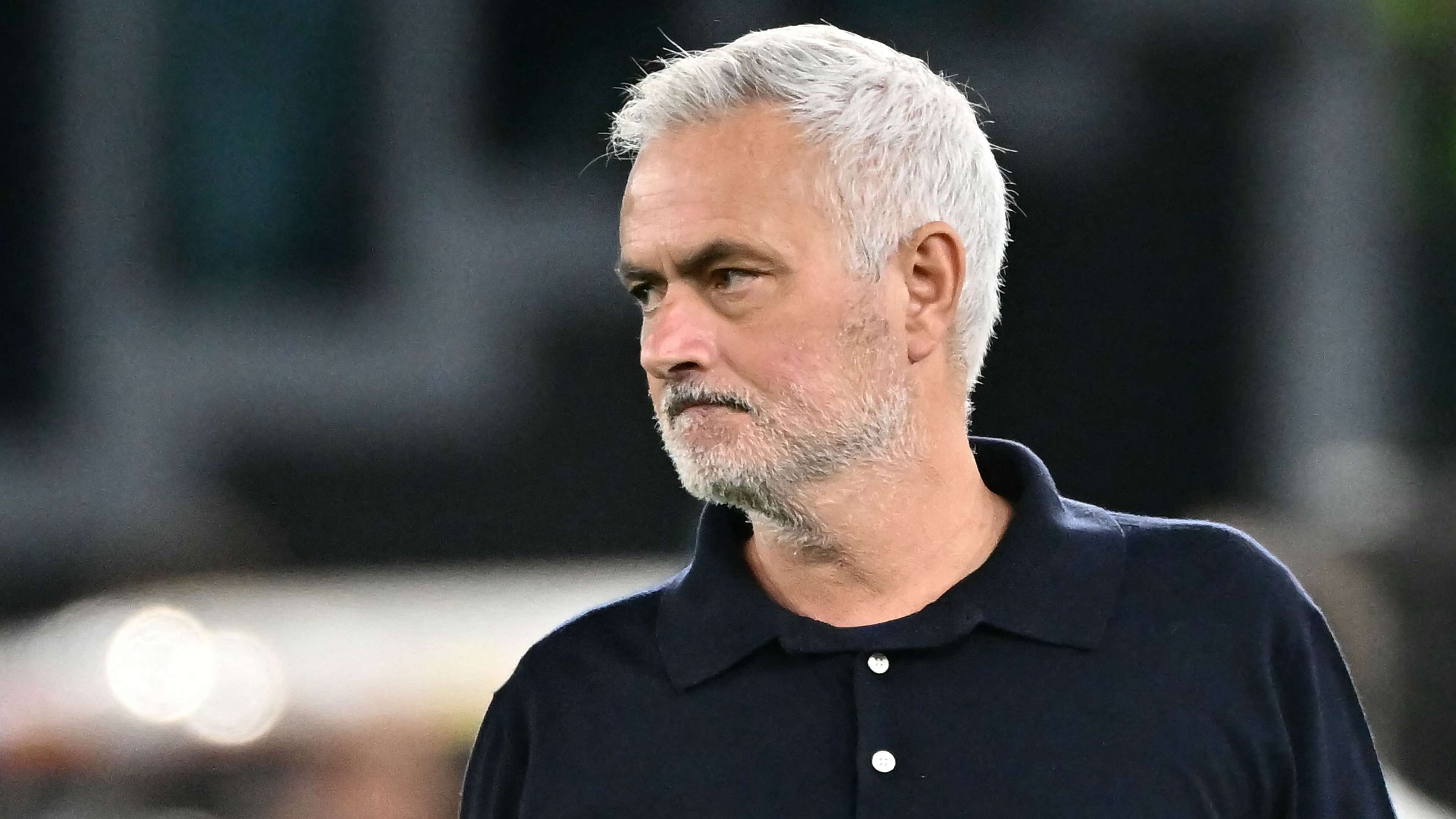
Erling Haaland briefly reignited Manchester City’s hopes in a dramatic UEFA Champions League clash with Paris Saint-Germain, and one of the most striking reactions came from the stands. Pep Guardiola, watching his former star lead City’s fightback at the Etihad Stadium, was caught on camera applauding the Norwegian striker’s goal.
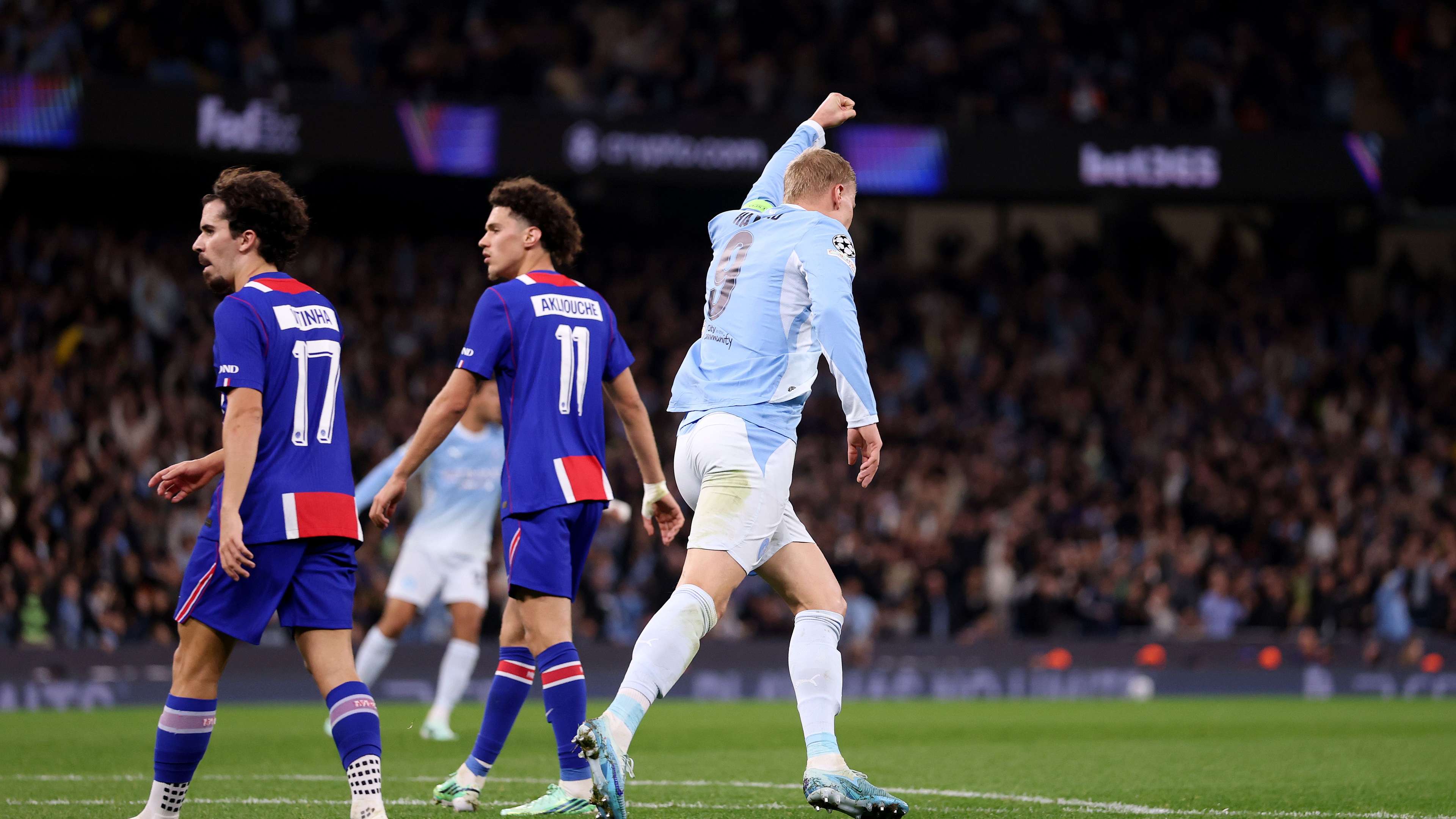
City had been three goals behind at half-time after PSG took control of the match with a ruthless first-half display. Haaland’s 53rd-minute header offered the home side a route back into the contest, lifting the crowd and prompting an animated response from Guardiola. But just as City began to build momentum, PSG struck again to restore their commanding advantage.
Haaland’s header sparks a City revival
Haaland’s first goal arrived from a high delivery by Senegalese substitute Iliman Ndiaye. The striker rose to meet the ball and directed his header beyond the PSG defence, giving City a much-needed breakthrough after a difficult opening 45 minutes.
The goal was more than a consolation at that moment. It gave the hosts a reason to believe they could still make the game uncomfortable for the visitors, while the Etihad crowd responded with renewed energy. Guardiola’s applause reflected the importance of the finish and the quality of the movement that allowed Haaland to attack the cross.
For a striker known for his strength in the air as well as his instinctive finishing, the goal was a reminder of how quickly he can change the mood of a match. City needed a decisive moment, and Haaland supplied one. The challenge was to turn that spark into sustained pressure before PSG could regain control.
PSG answer quickly after City’s breakthrough
City’s optimism did not last long. Within around 10 minutes, PSG restored their three-goal cushion through a chaotic sequence involving Magnus Akliouche and goalkeeper Gianluigi Donnarumma. Akliouche unleashed a powerful attempt that Donnarumma managed to parry, but the rebound fell back into the goalkeeper’s path and ended up in his own net.
The unusual goal underlined how quickly the balance of a high-level European match can shift. City had just scored and were looking for another opening; instead, they were forced to absorb another setback. PSG’s fourth goal also came after the hosts had passed up several opportunities, highlighting the cost of failing to convert chances against opponents capable of punishing even brief lapses.
That contrast became central to the contest. City showed enough attacking threat to trouble PSG, but the visitors were more clinical when opportunities arrived. In Champions League football, where the margins are often narrow, missed chances can carry consequences far beyond the moment itself.
Haaland scores again as City keep pushing
Haaland continued to lead the response and found the net for a second time in the 75th minute. The Norwegian turned in a low pass from Moroccan team-mate Ayoub Bouaddi, completing a move that gave City another goal and renewed the pressure on PSG.
The finish demonstrated a different part of Haaland’s game. His first goal came through aerial power; his second required sharp positioning and a quick response to a low ball in a crowded attacking area. That variety is one reason he remains such a central figure in City’s football plans: he can threaten from crosses, attack space in the box and finish quickly when a teammate creates an opening.
Even with the second goal, City still had a substantial deficit to overcome. The match therefore became a test of resilience as much as attacking quality. Haaland’s brace gave the home side a foothold, but PSG’s earlier advantage meant the visitors could continue to manage the contest with a degree of control.
Guardiola’s reaction adds a personal note
Guardiola’s response to Haaland’s header provided a human moment in an intense European fixture. The City manager has worked closely with the striker and understands the impact his goals can have on a team’s confidence. Seeing him applaud from the stands added a personal dimension to a match otherwise defined by pressure, momentum and the scoreline.
The image also offered a reminder that football relationships often extend beyond the touchline. Coaches and players who have shared successful campaigns can remain connected even when circumstances place them on different sides of the action. Guardiola’s reaction appeared to acknowledge both the quality of Haaland’s finish and the striker’s ability to respond when his team needed him.
Contrasting momentum before the Champions League meeting
Both sides arrived with encouraging domestic results. Manchester City had beaten Liverpool 3-0 in the Premier League, a result that suggested they were carrying strong momentum into the European fixture. PSG, meanwhile, had defeated Le Mans 3-1 in the French league and entered the match with confidence of their own.
Those results set the stage for a high-profile meeting between two teams accustomed to competing for major honours. City’s domestic victory offered a positive backdrop, but PSG’s first-half performance showed that recent form alone could not determine the outcome. The visitors were able to impose themselves early, while City had to spend much of the second half chasing the game.
For supporters assessing the wider Champions League picture, the match provided plenty to consider. City demonstrated that they could create chances and recover some attacking rhythm, particularly through Haaland. PSG, however, showed the value of converting pressure into goals and responding immediately when an opponent threatens a comeback.
What the performance means for the next prediction
Any football prediction following this match must account for both sides of City’s performance. Haaland’s two goals underline his continuing importance and suggest City remain dangerous even when trailing. At the same time, the goals conceded and missed opportunities point to areas that could matter in upcoming fixtures, especially against opponents with PSG’s pace and finishing quality.
For PSG, the result reinforces their ability to seize control of major matches, although the goals they allowed show that City can still create problems when given space and service. The key question for both teams will be whether they can carry their strongest moments into their next European and domestic assignments.
Haaland’s brace did not erase City’s difficult first half, but it ensured the match had a compelling second-half story. Guardiola’s applause captured the quality of the striker’s response, while PSG’s quick answer demonstrated why the contest remained so demanding. For fans, the evening offered a reminder that in elite football, momentum can change in minutes—and that a single goal can inspire hope without guaranteeing a comeback.