
Juventus Beat AZ Alkmaar as Spalletti’s Touchline Anger Steals the Spotlight
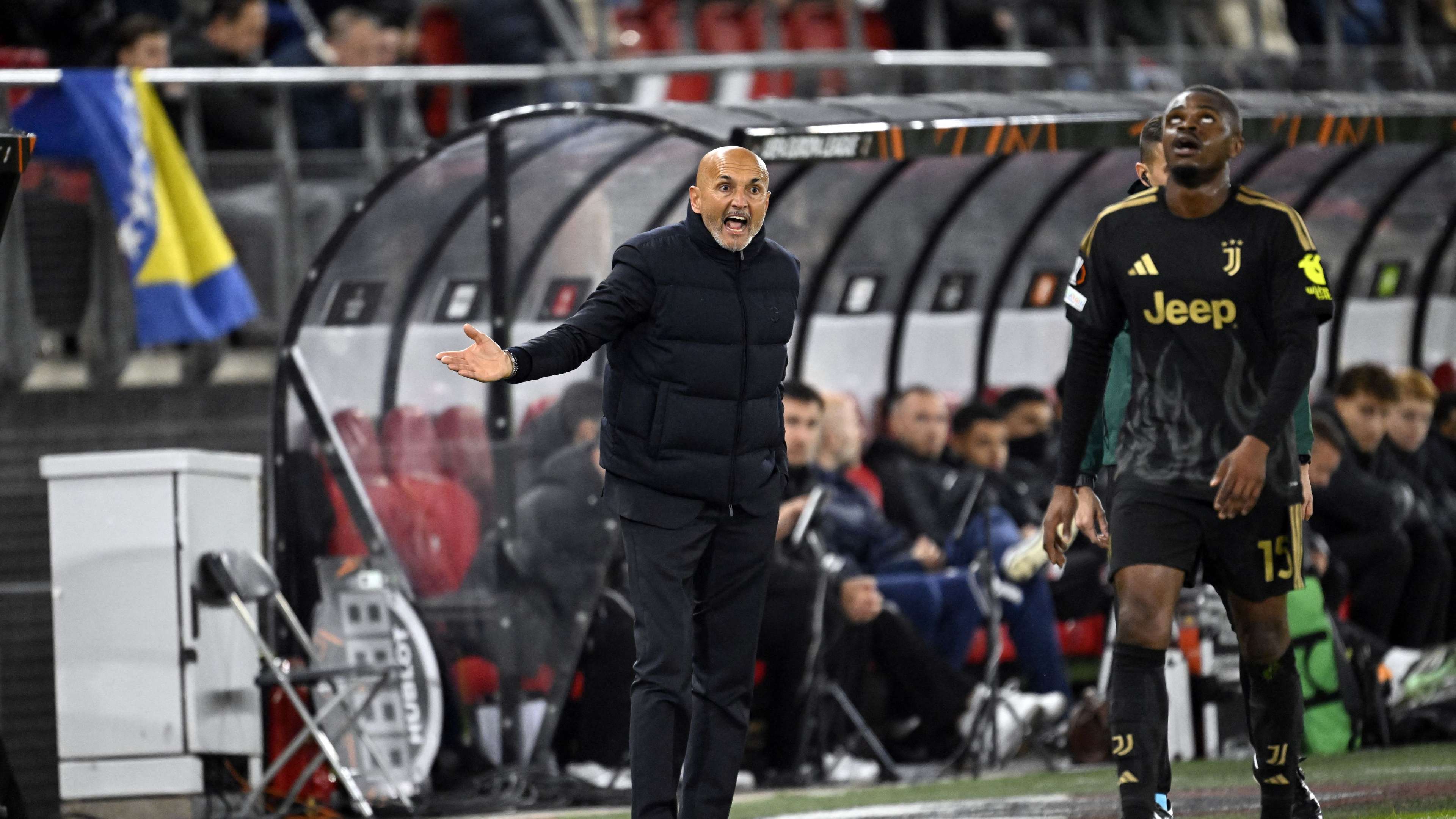
Juventus left the AFAS Stadium with a valuable 2-1 victory over AZ Alkmaar in the Europa League, but the result was accompanied by a tense late-game scene. Coach Luciano Spalletti was visibly furious after a defensive lapse nearly allowed the Dutch hosts to snatch a dramatic equaliser, turning attention from the three points to his reaction on the touchline.
The win strengthened Juventus’ hopes of progressing to the knockout stage, including a potential place in the round of 16. Yet the final minutes exposed the kind of concentration and decision-making issues that can turn a comfortable-looking performance into a nervous finish. For supporters following the team’s European campaign, the match offered both encouragement and a warning: Juventus can grind out results, but they must protect leads more cleanly.
A Late Defensive Scare Changes the Mood
Juventus had worked hard to establish control and build a 2-1 advantage. However, their composure came under pressure as AZ Alkmaar searched for a way back into the contest. A mistake by Lloyd Kelly gave the home side an opening, and Mees Meerdink took advantage to score and make the closing stages far more tense.
The goal shifted the atmosphere inside the stadium. AZ had renewed belief, while Juventus were forced to defend their lead under mounting pressure. In matches of this kind, one misplaced pass or delayed reaction can undo much of the work completed earlier. The visitors ultimately held on, but their late difficulties gave Spalletti reason to question the team’s focus.
Another moment involving Colombian defender Juan Cabal further inflamed the coach’s frustration. A positioning error left Juventus vulnerable and created a dangerous opportunity for AZ. The move ended with the ball in the net, but the goal was ruled out for offside. Even though Juventus escaped a second concession, the incident appeared to underline the defensive uncertainty that had emerged late in the game.
Spalletti’s Reaction Draws Attention
According to French outlet Foot Mercato, citing Italian newspaper La Gazzetta dello Sport, Spalletti rushed toward Cabal and angrily reprimanded him. Reports said the coach shouted, “I’ll hit you!” as he confronted the defender. Television footage also showed the 67-year-old making emphatic gestures and expressing his displeasure from close range.
Cabal did not respond, and the exchange did not develop into a more serious confrontation. Nevertheless, the incident quickly became one of the most discussed moments of the match. A coach’s visible anger can reflect the pressure of a close European fixture, but it can also raise questions about communication, discipline and how players respond when mistakes occur in high-stakes situations.
Spalletti did not directly address the reported exchange during his post-match press conference. Instead, he focused on what he believed had gone wrong across the team’s defensive work. His comments suggested that the frustration was not aimed only at one player: the coach was concerned by a broader drop in concentration and the failure to react decisively when AZ increased the pressure.
Commitment and Quick Decisions Under Scrutiny
“What does not convince me about Juventus? I am convinced when I see full commitment from the players,” Spalletti said, stressing the importance of consistent effort. His message was clear: a team cannot rely on its earlier control once the opposition finds momentum. Every player must remain alert, particularly when defending a narrow lead away from home.
He also highlighted the cost of hesitation. “The decisions you do not make are worse than the wrong decisions,” he said, explaining that acting—even imperfectly—can be better than waiting until an opportunity has disappeared. In defensive situations, that principle may mean stepping forward, clearing the ball, tracking a runner or making an immediate challenge rather than allowing danger to develop.
Spalletti’s remarks point to a recurring challenge for teams competing across domestic and European football: maintaining clarity when fatigue and pressure begin to influence judgment. Late-game mistakes are not always caused by a lack of technical quality. They can also stem from uncertainty about who should engage, where teammates are positioned or whether to keep possession or clear the ball.
What the Result Means for Juventus
Despite the nervous finish, Juventus achieved their primary objective. Winning away from home in Europe is rarely straightforward, and taking all three points keeps the club’s campaign moving in the right direction. The result gives the team a stronger platform as it looks toward the remaining fixtures in the league phase and the possibility of securing a route into the round of 16.
For fans considering a football prediction for Juventus’ next European match, the performance offers mixed evidence. The team showed resilience by protecting its advantage after AZ scored, and its ability to secure a result under pressure is a positive sign. At the same time, the late defensive lapses suggest that Juventus may need greater consistency before they can be viewed as reliable favourites against stronger opposition.
The key question is whether Spalletti’s anger will lead to a sharper response on the training ground. His public comments placed emphasis on commitment and decisive action, two qualities that will be essential as the schedule intensifies. Juventus have the experience to manage difficult moments, but their margin for error can shrink quickly when they lose control of the game.
A Win, but Also a Warning
Juventus’ 2-1 victory over AZ Alkmaar will be remembered for the points gained—and for the uncomfortable scenes that followed a near-costly defensive error. The result keeps their Europa League ambitions on track, while Spalletti’s reaction has put concentration and communication firmly in the spotlight.
Ultimately, the match delivered a familiar lesson in European football: control is never guaranteed until the final whistle. Juventus showed enough resilience to leave the Netherlands with a win, but their coach’s frustration made clear that the performance was not beyond criticism. If they can turn that late scare into a lesson, the victory could prove valuable well beyond the three points.