
Saudi Arabia’s Gulf Cup 27: A Controversial Moment Sparks Debate Over Discipline and Future Predictions
The opening match of the 27th Gulf Cup has already set the tone for a tournament filled with intensity, passion, and unexpected developments. Among the most talked-about incidents was the emotional exit of Saudi Arabia’s key player, Saleh Abu Al-Shamat, during their clash against Kuwait. This unexpected event has not only stirred conversations about player discipline but also raised questions about the team’s strategic approach and predictions for their upcoming fixtures.
Unexpected Substitution: A Show of Frustration and Emotional Response
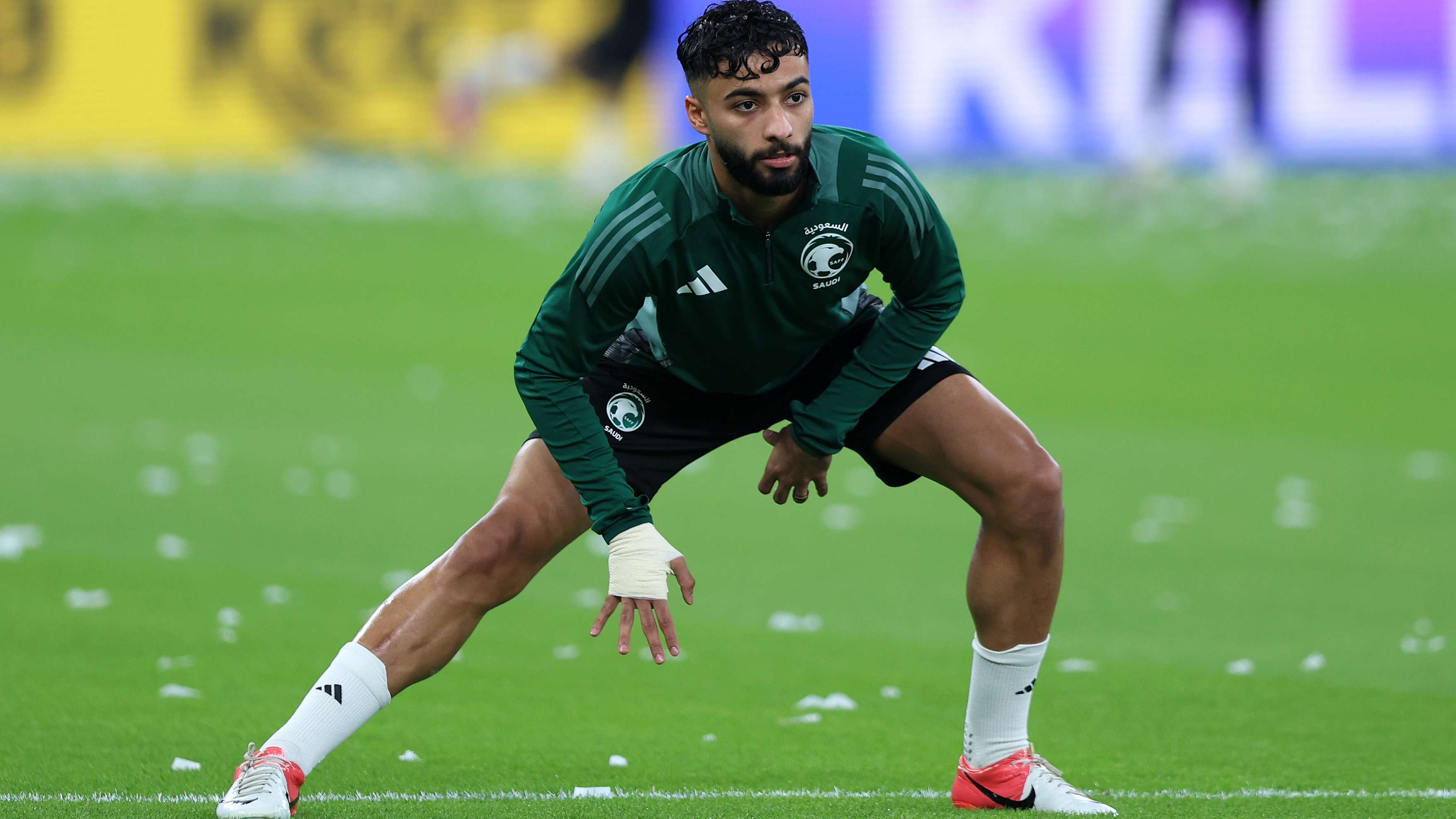
In the 63rd minute of the contest, Saudi head coach Georgios Donis made a surprising decision to substitute Saleh Abu Al-Shamat, a talented and highly regarded international midfielder. The moment was charged with emotion—the 23-year-old star left the pitch visibly upset, displaying a mixture of anger and sadness. His reaction was not just a fleeting display of disappointment but a reflection of the high stakes and intense pressure that players face during regional tournaments like the Gulf Cup.
As Abu Al-Shamat trudged off, his body language conveyed his frustration, a scene that quickly captured the attention of fans and analysts alike. Sitting on the substitutes’ bench, he was visibly furious, with teammate Hassan Tambakti trying to comfort him amid the charged atmosphere. This incident immediately became a focal point for discussions surrounding player discipline, emotional resilience, and the broader team dynamics.
Context and Significance of Abu Al-Shamat’s Reaction
Saleh Abu Al-Shamat has been a rising star for Saudi football, known for his versatility, technical skill, and vision on the field. His omission from the last World Cup squad was a setback, making his current performances even more critical for his future with the national team. His emotional reaction upon being substituted is understandable from a human perspective; however, it also raises questions about professionalism, mental toughness, and the team’s expectations for discipline within the squad.
Historically, the Saudi national team places a strong emphasis on discipline and unity, especially in high-stakes tournaments. Any display of visible frustration or dissent can sometimes be viewed as a breach of team norms, especially if it disrupts the cohesive environment cultivated by the coaching staff. This backdrop makes Abu Al-Shamat’s reaction a matter of interest not only for fans but also for the team’s management and tactical planning.
Disciplinary Policies and Precedents: The Case of Musab Al-Juwair
Recent history within the Saudi national team offers some insight into how disciplinary issues are handled. Notably, Musab Al-Juwair was excluded from the Gulf Cup squad earlier this year due to a breach of conduct. His case set a clear precedent that the team management enforces strict disciplinary standards, regardless of a player’s talent or potential.
The decision to exclude Al-Juwair was a message to the entire squad: discipline remains paramount. With this precedent in mind, many observers are now contemplating how the staff will respond to Abu Al-Shamat’s display of emotion. Will his reaction be deemed a minor lapse, or could it be considered a disciplinary breach warranting further action?
Current Status and Future Predictions for Abu Al-Shamat
As of now, there has been no official indication that Abu Al-Shamat faces any sanctions or will be excluded from upcoming matches. His reaction, while emotionally charged, may simply be viewed as a natural response to the coach’s decision rather than a disciplinary infraction. However, the incident underscores the importance of emotional control and professionalism in team sports, especially in tournaments where discipline can influence team cohesion and success.
Looking ahead, the Saudi coaching staff and administrative officials will likely monitor Abu Al-Shamat’s conduct closely. His next appearances in the squad could be influenced by how he manages such situations and whether he demonstrates resilience and maturity on the pitch. The team’s future predictions hinge on these nuances—whether they can harness his talent while maintaining discipline and unity.
Implications for Saudi Football and Predictions for the Tournament
This incident comes at a crucial point in the Gulf Cup, where team form, discipline, and mental strength are pivotal in shaping the tournament’s outcome. Saudi Arabia, historically a strong contender in regional competitions, is under pressure to balance talent with discipline to achieve their predicted success.
Football experts and fans alike are engaging in predictive analyses, weighing factors such as team morale, recent disciplinary incidents, and individual player reactions. Some believe that if the team manages to keep internal discipline intact, they can be serious contenders for the championship, capitalizing on their technical strengths and strategic planning.
Conversely, if incidents like Abu Al-Shamat’s emotional reaction become frequent or lead to further disciplinary issues, it could hinder their chances of reaching the final stages. Such developments would impact predictions, emphasizing the importance of mental resilience and team cohesion in high-pressure environments.
Conclusion: A Turning Point or Just a Moment?
The incident involving Saleh Abu Al-Shamat at the Gulf Cup 27 is more than just a moment of emotional outburst; it serves as a reflection of the broader themes of discipline, mental toughness, and team management in modern football. As the tournament progresses, all eyes will be on how the Saudi team responds—both on and off the pitch.
Will this incident be a catalyst for greater focus on professionalism, or will it fade as a momentary lapse? The answer will influence not only Saudi Arabia’s predictions in the tournament but also serve as a case study in the importance of managing player emotions at the highest levels of football.
Stay Tuned for More Updates and Predictions
Fans and analysts eager to follow the unfolding storylines can stay connected through dedicated sports forums like “Kooora,” where in-depth discussions about team strategies, disciplinary matters, and prediction analyses continue to thrive. As the Gulf Cup unfolds, every match, reaction, and decision will shape the narrative of Saudi football’s current journey toward glory.
Ultimately, the path to victory depends on how well the team manages internal challenges and leverages their strengths. The incident with Abu Al-Shamat is a reminder that in football, emotional resilience and discipline are just as important as skill and strategy in predicting the outcome of a tournament.