

Raphinha’s Remarkable Late Blooming: Challenging Stereotypes in Football
In the world of professional football, narratives around player development and career longevity often follow familiar patterns. Historically, Brazilian players have been associated with early peaks and comparatively shorter prime years, leading to stereotypes that they burn brightly early on but fade quickly. However, recent developments with Raphinha, the talented Brazilian winger, are rewriting this script and offering fresh insights into player trajectories in modern football.
A Traditional View of Brazilian Footballers
For decades, Brazilian footballers have been celebrated for their flair, agility, and creative genius, yet their careers often seemed to follow a predictable arc. Many of the nation’s most iconic players, such as Ronaldinho, Robinho, and even Neymar in earlier stages, experienced early breakthroughs, only to see their performance levels decline as they approached their late twenties or early thirties. Several factors have been blamed for this trend, including lifestyle choices, issues with professionalism, or the intense physical toll of the game.
Moreover, critics and fans alike have pointed out the “early peak” phenomenon as a stereotype, suggesting that Brazilian players are more prone to burnout or decline sooner than their European counterparts. This perception has influenced predictions and expectations, often casting doubt on the longevity of Brazilian talent at the highest levels of football.
Raphinha: A Different Model of Longevity and Success
Enter Raphinha, born in December 1996, who challenges this long-standing narrative. Unlike many of his compatriots, the Brazilian winger has demonstrated that greatness can be sustained—and even peak—later in a career, defying conventional stereotypes about aging and performance in football.
Remarkably, Raphinha’s career trajectory has seen him mature into his prime at nearly 29 years old, a period when many players are already past their peak. This season, he is delivering the best football of his entire career, showcasing an impressive blend of technical skill, tactical awareness, and goal-scoring prowess.
Impressive Stats and Record-Breaking Performances
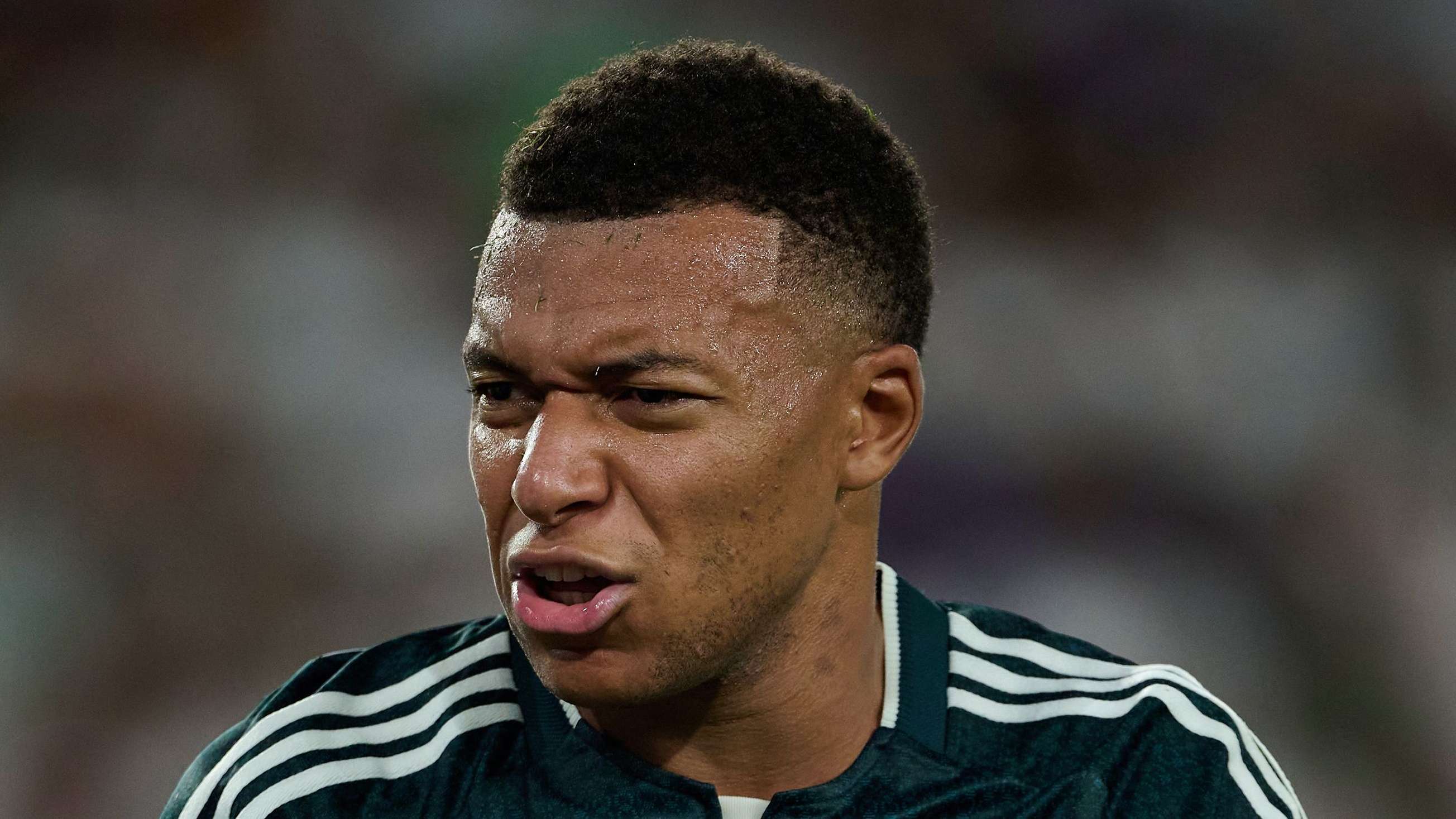
The numbers tell a compelling story. Raphinha has netted 12 goals in just seven La Liga matches this season, making him one of the most lethal forwards in Spain’s top-flight league. His goal-scoring rate surpasses that of several high-profile teammates and rivals. For context, the combined goals of Real Madrid’s attacking quartet—Kylian Mbappe (7), Jude Bellingham (3), Vinicius Junior (1), and Joselu Diomande (0)—total only 11 goals in the same period.
What’s even more striking is that Raphinha’s goal tally in the opening weeks of the season has shattered a record previously held by none other than Lionel Messi. During the 2017-2018 season, Messi scored 11 goals in his first seven La Liga matches. Raphinha surpassed that milestone comfortably, signaling his extraordinary form and potential to influence the league’s top scorers’ charts.
Factors Behind Raphinha’s Breakout and Prediction for the Future
Leading the charge for Raphinha’s recent resurgence is the strategic vision of Barcelona’s coach, Hansi Flick. Recognizing his versatility and attacking intelligence, Flick has entrusted Raphinha with a broader role—transitioning from his traditional position as a winger to a more central, striker-like role when needed. This tactical flexibility has allowed the Brazilian to capitalize on scoring opportunities and showcase his leadership in the attack.
Flick’s confidence in Raphinha exemplifies how modern coaches are leveraging players’ adaptability to unlock hidden potential, making accurate football predictions increasingly complex. The Brazilian’s performances suggest that he is on a trajectory to become one of La Liga’s most influential players this season, and possibly beyond.
Contrast with Vinicius Junior and the Broader Context
While Raphinha’s rise offers a new model of sustained excellence, other Brazilian talents like Vinicius Junior have followed different paths. Vinicius arrived at Real Madrid at just 18 and showed early promise, exploding onto the scene with electrifying displays. However, last season marked a noticeable dip in his form, a trajectory more aligned with traditional Brazilian career patterns of early peaks followed by decline.
Recently, Vinicius renewed his contract with Real Madrid amidst intense negotiations, signaling the club’s faith in his potential. Yet, recent fan and media criticism has cast shadows over his future at the club, especially amid calls for management to reassess his role. The ongoing debate highlights the unpredictable nature of football prediction, where career paths can diverge dramatically based on form, confidence, and tactical fit.
The Impact of Player Development and Future Predictions in Football
Raphinha’s case underscores the importance of individual development, strategic coaching, and the evolving understanding of player longevity. In the era of data analytics and advanced sports science, predictions about a player’s career trajectory are becoming more nuanced, moving beyond stereotypes to focus on factors like adaptability, mental resilience, and tactical fit.
Football fans and analysts are increasingly interested in predicting which players will sustain their performance levels and which may experience decline. Raphinha’s late bloom challenges conventional football prediction models, suggesting that talent can flourish at different stages of a career, especially when nurtured in the right environment.
Implications for Football Fans and Betting Enthusiasts
For football betting enthusiasts and fans eager to make informed predictions, Raphinha’s rise offers a compelling case study. His current form indicates that he could be a vital asset for Barcelona not only for this season but for years to come. As more data becomes available, predictive models will need to adapt, recognizing that players can defy age-related stereotypes and deliver peak performances well into their late twenties and early thirties.
Final Thoughts: Raphinha’s Journey and the Future of Football Prediction
In conclusion, Raphinha’s late breakthrough exemplifies a shift in how we perceive player careers in football. His success at nearly 29 years old challenges the long-held stereotype of Brazilian players peaking early and fading quickly. Instead, he embodies a new model of sustained excellence, driven by tactical adaptability, professional growth, and perhaps a changing landscape in football development.
As we continue to analyze and predict football outcomes, Raphinha’s story reminds us that talent and success can emerge at any stage of a player’s career. The evolving landscape of the sport promises more surprises, and fans, analysts, and bettors alike should keep an eye on players like Raphinha who are rewriting the rules of football prediction and career longevity.
Stay tuned to sports forums and expert analysis to deepen your understanding of the latest football predictions and insights into player performances that break the mold.