
Why PSG Passed on Ayyoub Bouaddi as Manchester City Made Their Move
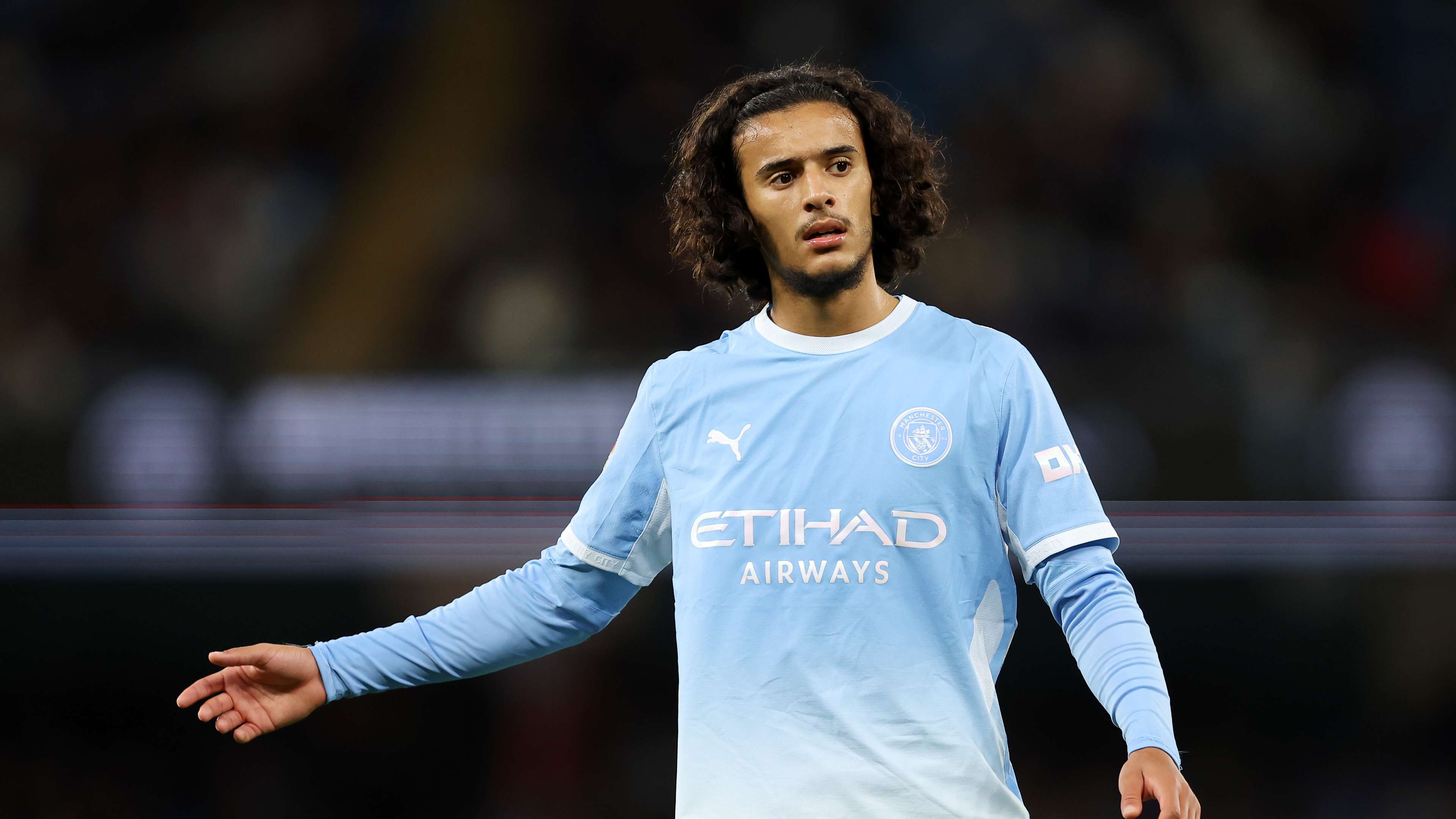
Paris Saint-Germain were linked with Ayyoub Bouaddi for much of the build-up to the 2026 summer transfer window, but the French champions never made a serious attempt to bring the midfielder to the Parc des Princes. While several European clubs tracked the Morocco international after an impressive season at Lille, PSG’s decision was driven less by a lack of admiration than by a belief that their midfield was already well stocked.
According to L’Équipe, the club’s recruitment plans did not include signing another central midfielder. That assessment remained in place even as speculation gathered around Bouaddi, whose technical ability, composure and potential appeared to suit the football promoted by head coach Luis Enrique. Manchester City eventually moved decisively, reportedly agreeing a package worth €100 million, including bonuses, to secure the teenager’s services.
The transfer offers a useful glimpse into how major clubs balance opportunity against squad planning. A highly rated young player may be available, but that does not automatically make him the right signing. For PSG, the question was whether another midfielder would improve the team enough to justify adding competition in an area the club believed was already covered.
PSG’s Summer Priorities Did Not Include Midfield
PSG brought five new players to Paris during the 2026 window: Alessandro Longoni, Lucas Deny, Magnes Akliouche, Mika Godts and Ferran Torres. Despite a number of midfielders being connected with the club, including Bouaddi, the position was not identified as a priority by the sporting leadership.
L’Équipe reported that Luis Campos and Luis Enrique had developed a clear view of the squad’s needs from the spring of the previous year. Their recruitment strategy focused on strengthening areas they considered more pressing rather than pursuing a signing simply because a promising player had become available.
The club’s thinking was shaped by the depth already at its disposal. João Neves, Vitinha and Fabián Ruiz formed an experienced first-choice trio, while Warren Zaïre-Emery and Senny Mayulu offered younger alternatives with room to grow. Ibrahim Mbaye also featured among the options available to the coaching staff.
From PSG’s perspective, the presence of those players meant the midfield was not short of either numbers or technical quality. Zaïre-Emery and Mayulu were not viewed as prospects who needed to be pushed aside by an immediate big-money arrival. Instead, club officials reportedly wanted to give the pair opportunities to develop over the short and medium term.
Versatility Added to PSG’s Options
The club’s assessment also went beyond its specialist midfielders. Lucas Beraldo’s ability to operate in a deeper, holding role gave Enrique another tactical option, while Désiré Doué and Akliouche could contribute in more than one position. The promotion of Quentin Ndjantou further broadened the group available to the first team.
That flexibility matters in modern football, where coaches often ask players to rotate between roles during a match rather than remain fixed in one position. A defender who can step into midfield, or an attacking player who can operate centrally, can help a team adjust its shape without making a substitution. PSG’s decision-makers appear to have believed those adaptable players reduced the need for another specialist signing.
It did not mean Bouaddi lacked the qualities to fit PSG’s style. His performances for Lille during the 2025–26 season and his displays for Morocco at the 2026 World Cup attracted attention from across Europe. At 19, he offered a combination of youth, technical promise and international experience that naturally made him an appealing target.
But suitability and necessity are different questions. PSG may have recognised that Bouaddi could thrive in Enrique’s system while also concluding that the club had no immediate place for another midfielder. In a crowded department, a high-profile purchase could have limited minutes for existing players and complicated the development pathway the club wanted to protect.
Manchester City’s Bid Ended the Waiting Game
Although PSG were not preparing to complete a deal, the club reportedly intended to keep monitoring Bouaddi’s progress. A future approach was not ruled out, leaving open the possibility that Paris could reassess the situation after another season of development.
That longer-term interest was overtaken when Manchester City presented a reported offer worth €100 million, including add-ons. The size and timing of the proposal brought an end to the uncertainty surrounding the midfielder’s future and placed the decision firmly in the hands of the player and his representatives.
Those close to Bouaddi reportedly did not discuss whether PSG’s sporting project could have changed his mind. They did indicate, however, that Manchester City’s project had been his preferred destination for some time. That detail suggests the transfer was about more than the financial scale of the offer: the player’s own ambitions and view of his next step were also central to the outcome.
For City, the move represents a major investment in a player still at the beginning of his senior career. The fee reflects both Bouaddi’s performances and the premium clubs are willing to pay for young talent with international potential. It also creates expectations. He will need time to adapt to a new league, a different tactical environment and the demands that come with competing for a place at one of Europe’s leading clubs.
What the Transfer Means for PSG and the Football Market
PSG’s choice not to pursue Bouaddi should not necessarily be read as a verdict on his ability. Rather, it highlights the importance of squad balance in elite football. Recruitment teams must consider a player’s quality alongside role, playing time, age profile, existing contracts and the development of younger teammates.
The episode also shows how quickly a transfer plan can change when a rival acts with conviction. PSG were prepared to observe Bouaddi’s progress, but Manchester City’s substantial offer turned a potential future decision into an immediate transfer. In a market where leading clubs compete for the same emerging prospects, patience can preserve resources—but it can also mean losing a target to a rival.
For supporters following the story, the key question is not simply whether PSG should have signed Bouaddi. It is whether their existing midfield options can deliver the depth and consistency required across a demanding season. If Zaïre-Emery, Mayulu and the club’s versatile players continue to develop, PSG’s decision may look well judged. If injuries or a lack of rotation expose weaknesses, the club could revisit its recruitment priorities in a future window.
For now, the reported facts point to a clear conclusion: PSG never made Bouaddi a central target for the summer of 2026 because midfield was not considered an urgent need. Manchester City, by contrast, were ready to commit heavily to his potential—and the player’s apparent preference helped settle the destination. Any future PSG interest remains a possibility to monitor, but the immediate chapter of the transfer story belongs to City.