
José Mourinho Criticizes Refereeing Decisions Following Real Madrid’s Defeat to Atlético Madrid
The football world was abuzz following the recent La Liga clash between Real Madrid and Atlético Madrid, a match that ended in a narrow 2-1 defeat for the reigning champions. The outcome not only impacted the standings but also reignited debates surrounding officiating fairness and consistency in Spanish football, with renowned coach José Mourinho leading the charge in criticizing refereeing decisions that he believes have influenced the league’s current landscape.
Refereeing Controversies Spark Fresh Debate in La Liga
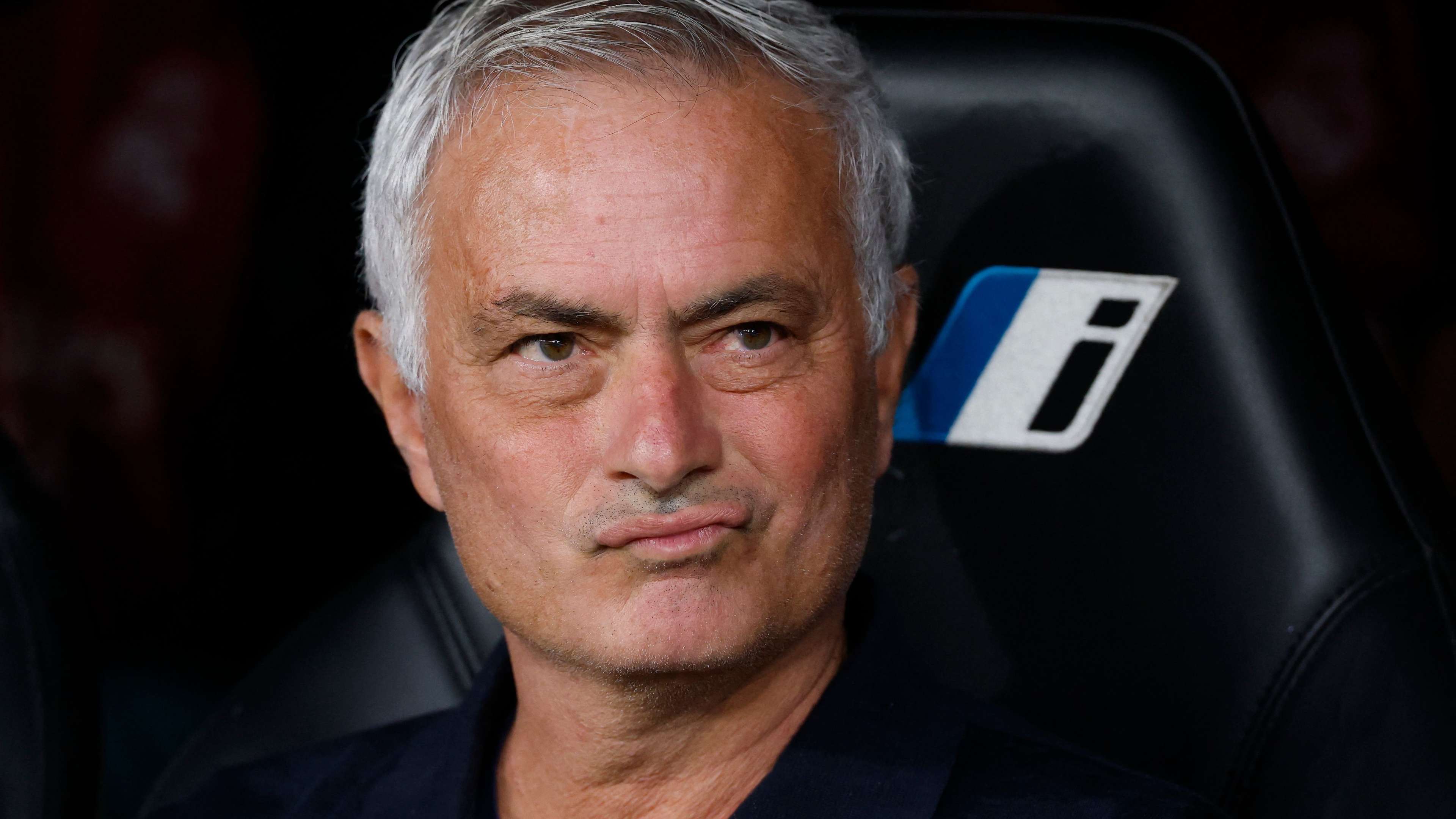
In the aftermath of a fiercely contested Madrid derby—an encounter fraught with contentious refereeing calls—Mourinho, now managing a prominent club in the league, publicly expressed his frustration and skepticism regarding the officiating standards. Unlike his previous comments, which often focused narrowly on specific incidents, this time Mourinho took a broader view, linking recent controversial decisions to the widening gap at the top of La Liga.
At the moment, Barcelona sits comfortably at the summit with 21 points, while Atlético Madrid trails slightly behind with 16 points. Real Madrid, despite their rich history and star-studded squad, languishes with only 15 points after seven rounds, a position Mourinho suggests may be influenced by refereeing decisions that have gone against his team.
Mourinho’s Perspective: A Link Between Refereeing and League Standings
During a candid post-match press conference, Mourinho addressed the ongoing debate over refereeing bias, hinting that some of the recent officiating decisions have unfairly favored certain teams—particularly Barcelona—thus contributing to the perceived disparity in the league table. The Portuguese coach hinted that these decisions might have had a tangible impact on the points gap, raising questions about the integrity of match officiating at the highest level of Spanish football.
He remarked, “We saw some things on this pitch this week, the goal that was disallowed for Osasuna against Atlético on the grounds of a foul on Lucas Torró, and the penalty that was not awarded to Real Madrid in San Sebastián against Real Sociedad. After all of that, you can only laugh.”
These comments underscore the ongoing concern among fans and pundits alike regarding consistency and transparency in refereeing, especially given the stakes involved for title contenders and European qualifiers.
Specific Incidents Fuelling the Discontent
Among the incidents Mourinho highlighted was a disallowed goal for Osasuna in their match against Atlético Madrid, where the decision was based on a foul call. Additionally, he pointed out a missed penalty for Real Madrid during their clash with Real Sociedad in San Sebastián. Such decisions, he suggests, could have altered the outcomes and ultimately influenced the league standings.
This narrative of perceived bias or inconsistency is not new in La Liga but has gained renewed attention due to high-profile incidents this season. Fans and critics have often debated whether referees are influenced consciously or subconsciously by team reputations, club rivalries, or league interests.
The Madrid Derby and Its Controversial Refereeing
The recent Madrid derby exemplified the controversy surrounding officiating. Real Madrid protested vehemently against several decisions during the match, which remained goalless until Dean Huijsen was shown a red card at the start of the second half. Mourinho arrived at the post-match press conference clutching printed images of the incidents that drew his objections, emphasizing his belief that the refereeing had been unfair.
Referees’ decisions can often be pivotal in such high-stakes matches, influencing not just the immediate result but also team morale, league standings, and even future fixture difficulties. Mourinho’s outspoken critique reflects a broader concern within the football community about the need for clearer, more consistent officiating standards to preserve the sport’s integrity.
Broader Implications for Football Prediction and League Dynamics
In the context of football prediction, controversies surrounding refereeing decisions are a critical factor influencing forecasts for match outcomes and league standings. Analysts often factor in the likelihood of contentious calls when predicting results, especially in tightly contested leagues like La Liga where a single decision can sway the entire season.
Furthermore, the ongoing debate about refereeing fairness raises questions about how leagues can implement better review systems, such as Video Assistant Referee (VAR) technology, to minimize human error and bias. While VAR has been introduced in many top leagues worldwide, its application remains a subject of debate, with some critics arguing it’s not yet foolproof and can sometimes add to confusion rather than clarity.
The Future of Refereeing and Its Impact on Football Prediction
As the football world continues to scrutinize refereeing decisions, the importance of transparent, consistent officiating becomes ever more apparent. For fans, bettors, and analysts engaged in football prediction, understanding how refereeing can influence match outcomes is vital. A league perceived as fair and well-officiated fosters greater trust and excitement, while persistent controversies can undermine confidence in the sport’s integrity.
Looking ahead, leagues and governing bodies are under increasing pressure to enhance referee training, incorporate technology effectively, and promote transparency in decision-making processes. Such measures are essential not only for fair competition but also for maintaining the sport’s global popularity and credibility.
Conclusion: A Call for Fair Play and Transparency
José Mourinho’s outspoken remarks serve as a reminder of the ongoing debate surrounding refereeing standards in football, especially in high-stakes competitions like La Liga. As the season progresses, fans and pundits alike will be watching closely to see whether reforms are implemented to address these concerns. Ultimately, fair play, consistency, and transparency in officiating are crucial for the sport’s integrity, ensuring that the best team wins on merit rather than through questionable decisions.
For those interested in football prediction, understanding the influence of refereeing controversies is essential. As the league continues to evolve, so too must the standards of officiating to provide a level playing field where the outcome is determined solely by the skill and effort of the players.