
Trabzonspor Fans’ Mohamed Salah Chant Sparks Debate in Turkey
A football chant celebrating Egyptian forward Mohamed Salah has prompted a public debate in Turkey after Islamic studies researcher Ihsan Şenocak called on Trabzonspor supporters to stop singing it. The chant, heard from the stands when fans celebrate Salah’s goals, includes the words “Allah Allah” alongside the player’s name. Şenocak argues that using language with religious significance in a stadium song is inappropriate and should not be repeated.
The controversy highlights how football culture can intersect with questions of faith, public expression and the meaning people attach to familiar phrases. While the chant is presented by supporters as a tribute to one of the sport’s most admired players, Şenocak views its wording as crossing a line between football enthusiasm and religious language.
What Is the Mohamed Salah Chant?
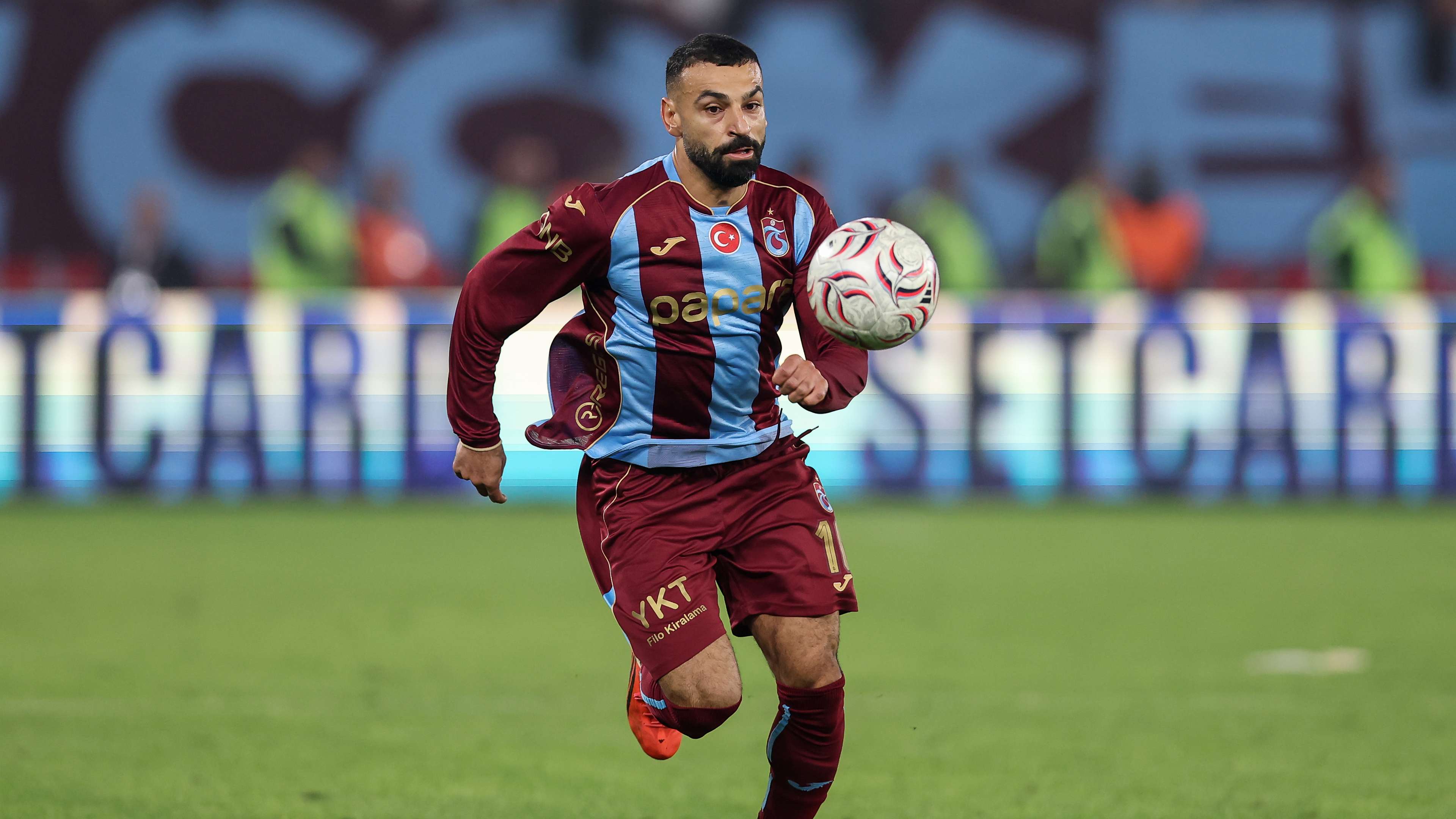
Trabzonspor supporters have used the short chant—“Allah Allah, Mohamed Salah”—as a way to celebrate the Egyptian star. Its rhythm and repetition make it easy for a crowd to join in, especially during moments of excitement after a goal. In football, chants often turn a player’s name into a shared refrain, helping fans express admiration and create a memorable atmosphere inside the stadium.
Salah’s popularity extends well beyond the clubs he has represented. The forward has built a global following through his performances, consistency and status as one of the leading Arab and African footballers of his generation. That broad appeal helps explain why supporters of a Turkish club might sing in his honour, even when he is not playing for their team.
However, the words chosen for a chant can carry meanings beyond the immediate sporting moment. In this case, the phrase at the centre of the dispute is widely associated with religious expression. That association has led to sharply different interpretations of what fans intend and how the chant may be received.
Ihsan Şenocak Calls for the Chant to Stop
Şenocak has criticised the song and urged Trabzonspor fans not to continue singing it. His objection is focused on the use of religiously resonant wording as part of a football chant, rather than on the act of supporting Salah itself. He has warned against repeating the phrase in the stands, arguing that it should be treated with greater care.
The researcher’s intervention has brought attention to a question that often arises in sport: where should supporters draw the boundary between creative fan culture and language that many people consider sacred? Stadium chants are generally spontaneous, emotional and designed to unite a crowd. Yet their wording can also be heard outside the context intended by those singing them.
For critics of the chant, placing a religious expression beside a player’s name may make the phrase sound casual or purely celebratory. For supporters, it may simply be a rhythmic way to show enthusiasm, without an intention to offend or make a religious statement. The difference between intention and interpretation is central to the discussion.
Football, Faith and the Power of Stadium Culture
Football grounds are among the most visible stages for collective expression. Fans create songs about their teams, rivals and favourite players, drawing on local identity, humour, history and popular culture. These traditions can strengthen a club’s connection with its community, but they can also become controversial when a chant touches on religion, politics or other sensitive subjects.
In Turkey, where religious identity is an important part of public life for many people, the use of faith-related language in a stadium can carry particular weight. The same words may be understood differently depending on a listener’s background, beliefs and familiarity with the chant. That makes the debate more complex than a simple question of whether supporters meant well.
The controversy also reflects the wider reach of modern football. A chant that begins among local supporters can quickly attract attention through video clips and social media, where it is heard by people who were not present in the stadium. Online discussion can strip away the atmosphere and context of the moment, while allowing a local disagreement to become a broader cultural conversation.
Why Mohamed Salah Inspires Tributes Beyond His Club
Salah is a frequent subject of football songs because his reputation reaches across national and club boundaries. His success has made him a prominent figure for supporters who admire his skill, work rate and achievements at the highest level. As one of the most recognisable Egyptian players in world football, he is also a source of pride for many fans across the Arab world and Africa.
That admiration can lead supporters to create spontaneous tributes, even when the player has no direct connection to their club. In this instance, the chant’s focus on Salah appears to reflect his stature as a global football icon. But the debate shows that a tribute’s message is shaped not only by the player being celebrated, but also by the language used to celebrate him.
What Happens Next?
Şenocak’s appeal has put pressure on supporters to reconsider whether the chant should remain part of Trabzonspor’s matchday culture. Whether fans stop singing it, alter the wording or continue to use it remains to be seen. The discussion may also prompt clubs and supporter groups to think more carefully about how stadium songs are created and how they may be understood by different audiences.
For now, the episode is a reminder that football chants are more than background noise. They can express loyalty and admiration, but they can also raise questions about respect, identity and shared values. The debate surrounding the Mohamed Salah chant is unlikely to be resolved by a single statement: its outcome will depend on how supporters, religious voices and the wider football community respond.
As the conversation continues, the central issue is not Salah’s standing as a player, but the relationship between sporting celebration and religious language. Trabzonspor fans may see the song as an affectionate football tribute, while Şenocak’s criticism reflects concern about the meaning attached to its words. The disagreement illustrates how even a brief chant can become a significant topic when football, faith and public culture meet.