
Controversy Surrounds Egyptian Football: Hossam Hassan Under Fire Amid Criticism Over National Team Leadership
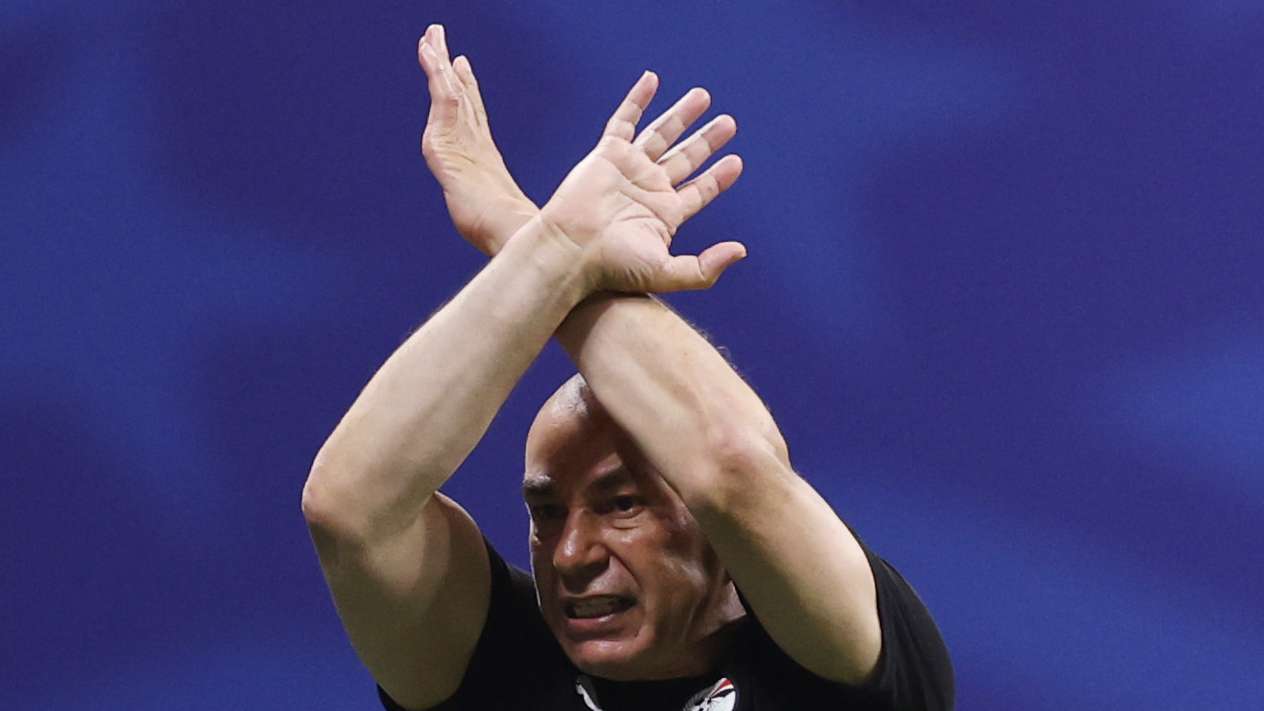
Egyptian football is once again in the spotlight, but not for a celebrated victory or a thrilling match. Instead, the focus has shifted to internal disputes and leadership controversies that threaten to undermine the nation’s beloved sport. At the heart of this storm is Hossam Hassan, the current head coach of the Egyptian national football team, whose recent comments and conduct have sparked widespread debate among fans, analysts, and football insiders alike.
Background: The Power Struggle in Egyptian Football
Egyptian football boasts a rich history, with legendary players and iconic clubs like Al Ahly and Zamalek dominating the scene for decades. The national team’s success has often been intertwined with the leadership and strategic vision provided by its coaches. However, recent times have seen increasing tension between coaching staff, club officials, and players, reflecting deeper issues of management and national pride.
Hossam Hassan, a revered figure in Egyptian football and a former player and coach, was appointed as the head coach of the Pharaohs with high expectations. Yet, his tenure has been marred by controversies, notably his public statements about key players and his handling of team dynamics. His latest remarks concerning Al Ahly’s goalkeeper Mohamed El Shenawy have ignited a firestorm, prompting fierce criticism from former players and football pundits.
Hossam Hassan’s Comments Spark Backlash
In recent interviews, Hossam Hassan questioned the role and current form of Mohamed El Shenawy, who is considered one of Egypt’s top goalkeepers. Hassan claimed that he had previously called up El Shenawy during his earlier stints with the national team, despite perceptions that the goalkeeper’s career had waned and that he was no longer at his peak.
Such comments have been perceived as dismissive and unprofessional, especially considering El Shenawy’s recent performances with Al Ahly, where he remains a pivotal figure. Critics argue that Hassan’s remarks reflect a broader issue of misjudgment and a lack of strategic vision, which could hamper the team’s prediction of future performances and success.
Former Egypt Star Mido Responds with Criticism
Adding fuel to the fire, Ahmed Hossam Mido, a former Egyptian national team star and well-respected football analyst, took to social media platform X (formerly Twitter) to voice his strong disapproval. Mido described Hassan’s comments as indicative of a “great deal of narcissism” and criticized his attitude toward club coaches, players, and medical staff.
“Hossam Hassan’s statements carry a great deal of narcissism, and they suggest that he perceives himself as superior to every club coach,” Mido stated. “From his talk about redeploying Mohamed Salah in the middle of the pitch to belittling Al Ahly’s medical staff, his comments reflect a disconnect from reality.”
Mido further emphasized the problem of Hassan’s dismissive attitude toward Egyptian league players. “Despite their crucial role in Egypt’s football history, Hassan seems to underestimate their value and contribution to the national team’s victories,” he added.
The Impact on Egyptian Football and National Pride
This controversy underscores a deeper concern about the state of Egyptian football leadership. As the national team prepares for upcoming crucial matches, the focus should ideally be on strategic preparation, team cohesion, and fostering national pride. Instead, internal conflicts and personal disputes threaten to distract from these objectives.
Experts warn that such controversies risk alienating fans and eroding public trust in the national team’s management. The Egyptian football community is at a crossroads, with many questioning whether the current leadership can steer the team toward future success or if internal discord will continue to undermine their efforts.
Hossam Hassan’s Conduct Under Scrutiny
Analysts highlight that Hassan’s approach to handling questions from journalists and his public statements reveal signs of stress and pressure. “He appears distracted and under significant pressure, reacting defensively to even minor inquiries,” said a well-known football journalist. “This kind of behavior is detrimental to team morale and leadership stability.”
Many argue that leadership in football requires composure, strategic thinking, and the ability to unite players and fans alike. Hassan’s recent conduct, according to critics, suggests a departure from these qualities, raising doubts about his capacity to lead Egypt’s national team through challenging times.
The Future of Egyptian Football and Prediction of Outcomes
Looking ahead, the question remains: what does this mean for the Egyptian national team’s prediction of future success? With internal conflicts and leadership disputes making headlines, the chances of consistent, high-level performance may be compromised. The team’s prediction of upcoming matches could be affected if the focus shifts from tactical preparation to managing internal controversies.
Football enthusiasts and analysts believe that a unified, strategic approach is essential for Egypt to maintain its reputation on the continental and international stage. Proper management, clear communication, and respect for players’ contributions are critical components for a successful prediction of future outcomes.
The Call for Intervention and Leadership Clarity
Given the current turmoil, many voices within Egyptian football are calling for intervention from officials and federation leaders. They emphasize the need for a clear stance to stabilize the team’s leadership and restore confidence among players, fans, and stakeholders.
Effective leadership in football isn’t just about tactics and training; it also involves managing personalities, media relations, and internal conflicts. Without decisive action, the risk remains that such controversies could deepen, further damaging Egypt’s football reputation and its prediction of future success.
Conclusion: The Road Ahead for Egyptian Football
As Egyptian football navigates this turbulent period, the focus must shift toward unity, professionalism, and strategic planning. The controversy surrounding Hossam Hassan and the criticisms from former stars like Mido highlight the urgent need for leadership that prioritizes team cohesion and national pride.
Football fans worldwide watch with anticipation to see how Egypt’s football authorities will address these issues. The future of Egyptian football depends on effective management, respectful dialogue, and a collective commitment to restoring the team’s prestige. Only then can the prediction of future successes become a reality, inspiring a new generation of players and supporters alike.