
Disputed Goal, Player Injuries, and an Exciting Comeback: An In-Depth Look at the Netherlands vs. Germany Football Clash
The recent UEFA Nations League match between the Netherlands and Germany delivered a thrilling encounter filled with controversy, strategic plays, and dramatic moments. Fans and analysts alike are still dissecting the key incidents that shaped the outcome of this high-stakes fixture, with particular attention to a disallowed goal that sparked debates over the accuracy of the refereeing decisions. This article provides a comprehensive review of the match, offering insights into the prediction of potential outcomes, the significance of the result, and the broader implications for European football.
The Controversial Disallowed Goal: What Really Happened?
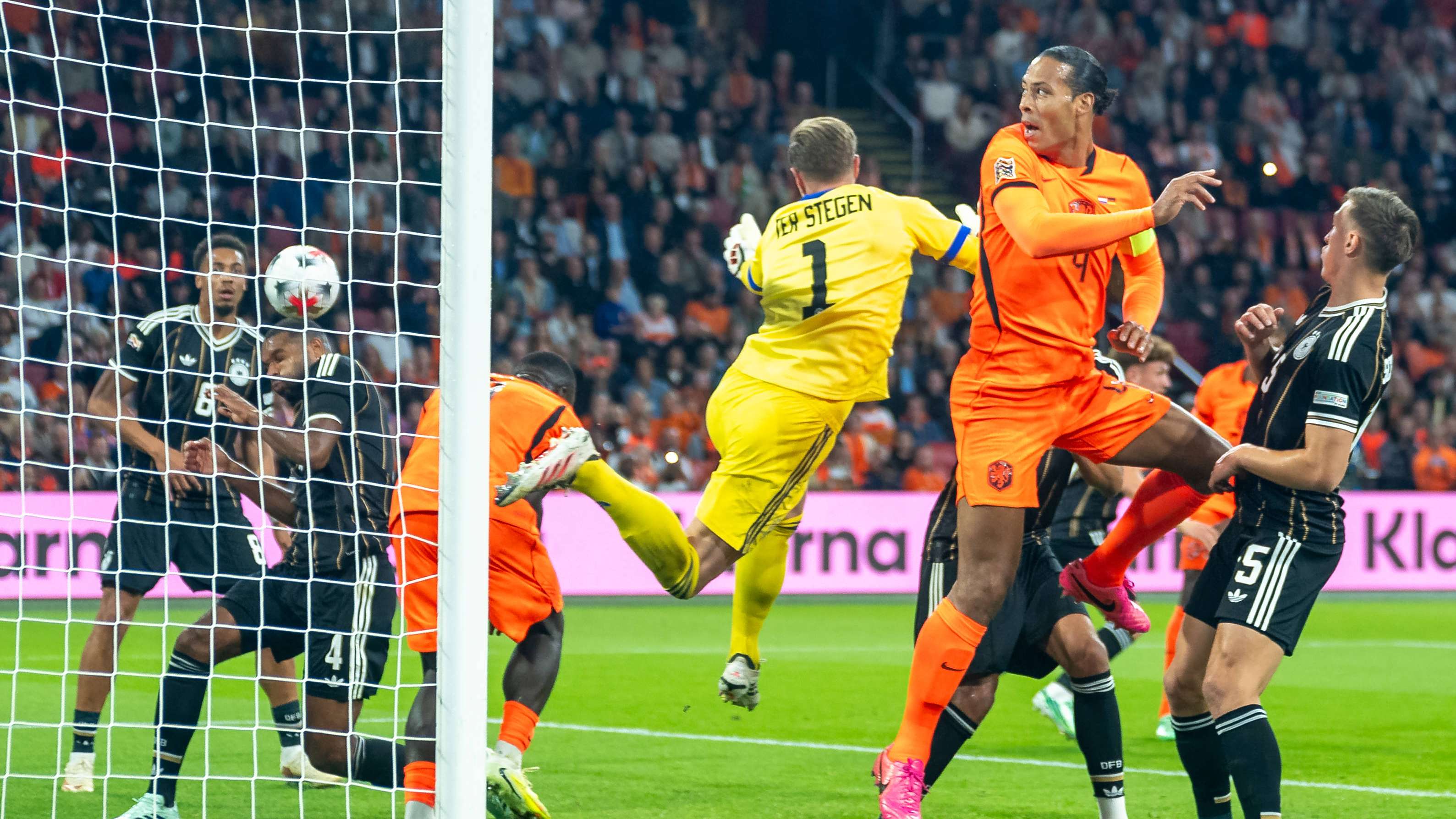
In the early minutes of the game at the iconic Johan Cruyff ArenA, the Netherlands seemed poised to take an early lead. A well-placed corner kick from Cody Gakpo found the head of Virgil van Dijk, who directed the ball towards the far post. The ball appeared to cross the line, and the Dutch players celebrated confidently, believing they had opened the scoring. However, the match officials had a different view.
The referee, Alejandro Hernández Hernández from Spain, initially awarded the goal, signaling a significant boost for the Dutch side. But the game was soon interrupted as the Video Assistant Referee (VAR) reviewed the decision. After a detailed review on the sideline monitor, the referee reversed his call, disallowing the goal. This sequence of events sparked considerable debate among football enthusiasts about the criteria used for such decisions.
Initially, speculation suggested that the goal was disallowed due to Brian Brobbey’s alleged foul on German goalkeeper Marc ter Stegen. The thought was that Brobbey impeded the goalkeeper’s attempt to reach the ball, thus invalidating the goal for a foul. However, insights from the German football federation (DFB) revealed that the actual reason was different. According to Kicker, a reputable German sports outlet, the decision was made because the referee judged Brobbey to be in an offside position at the moment Van Dijk headed the ball, and that Brobbey was actively involved in play.
The Offside Call and Its Impact on the Prediction of the Match
The disallowed goal had significant implications for the prediction of the match outcome. In football, such early incidents often influence teams’ strategies and morale. The Dutch side, initially buoyed by the early goal, had to recalibrate their approach after the decision. Meanwhile, Germany’s defense gained confidence, knowing that the goal was correctly disallowed based on the VAR review.
From a prediction perspective, analysts had anticipated a tightly contested game, with both teams possessing strong lineups capable of scoring. The early VAR intervention underscored the importance of precise decision-making and VAR technology in modern football, especially in crucial fixtures like this UEFA Nations League encounter. The incident served as a reminder that even the most seemingly clear goals could be subject to scrutiny, influencing betting odds and expert predictions.
Player Injuries and Tactical Shifts: The Turning Points
The match took an unfortunate turn for the Netherlands when Brian Brobbey sustained an injury approximately thirty minutes into the game. The Sunderland striker collided with German defenders and was visibly distressed as he was assisted off the pitch. Brobbey’s injury not only impacted the Dutch attack but also shifted their tactical approach, forcing coach Ronald Koeman to make substitutions and adapt his offensive strategies.
Germany capitalized on the Dutch misfortune, and shortly after Brobbey’s departure, Felix Nmecha scored the opening goal for Die Mannschaft. Nmecha’s close-range finish past Dutch goalkeeper Bart Verbruggen exemplified Germany’s resilience and clinical finishing. The goal was a blow to the Netherlands’ confidence, especially as they had been pressing for an equalizer.
The injury and subsequent goal underscored the unpredictable nature of football predictions. Even with thorough analysis and forecasts, injuries can dramatically alter the course of a game, emphasizing the importance of squad depth and tactical flexibility in football prediction models.
The Dutch Fightback: An Exciting Stoppage-Time Equalizer
Despite the setbacks, the Netherlands demonstrated remarkable grit and determination, ultimately earning a hard-fought draw. In stoppage time, a brilliant play unfolded along the left flank. Debutant Ruben van Bommel showcased his skill by surging forward and delivering a precise cross with the outside of his right foot. The ball found Cody Gakpo, who executed an excellent volley from the far post to net the equalizer, sparking jubilant scenes among Dutch supporters.
This late goal not only salvaged a point for the Netherlands but also added an element of unpredictability to the prediction of football matches. Such dramatic comebacks are often highlighted as key factors influencing betting markets and sports analysts’ forecasts, emphasizing the dynamic nature of football predictions.
Broader Implications for Football and Future Predictions
The outcome of this match provides valuable insights into the evolving landscape of international football. As the UEFA Nations League continues to showcase intense rivalries and high-stakes competition, accurate prediction becomes increasingly complex. Factors such as VAR decisions, player injuries, tactical adjustments, and late-game heroics all contribute to the unpredictability that fans and experts strive to anticipate.
Moreover, this fixture exemplifies the importance of comprehensive football prediction models that incorporate real-time data, psychological factors, and tactical nuances. With football’s global popularity soaring, particularly through online betting and fantasy leagues, accurate predictions are more significant than ever for enthusiasts seeking to understand potential match outcomes.
Conclusion: A Match That Will Be Remembered
The thrilling encounter between the Netherlands and Germany not only delivered on the pitch but also sparked important conversations about refereeing, injury impact, and the unpredictable nature of football prediction. As both teams continue their journey in the UEFA Nations League, fans and analysts will undoubtedly scrutinize this match as a case study in the complexities of modern football.
For supporters and bettors alike, understanding the nuances of such fixtures enhances the appreciation of football’s beautiful unpredictability. Whether analyzing prediction models or celebrating last-minute goals, this game exemplifies the excitement and drama that make football the world’s most beloved sport.