
David Beckham’s Expanding Empire: From Football Legend to Global Business Mogul
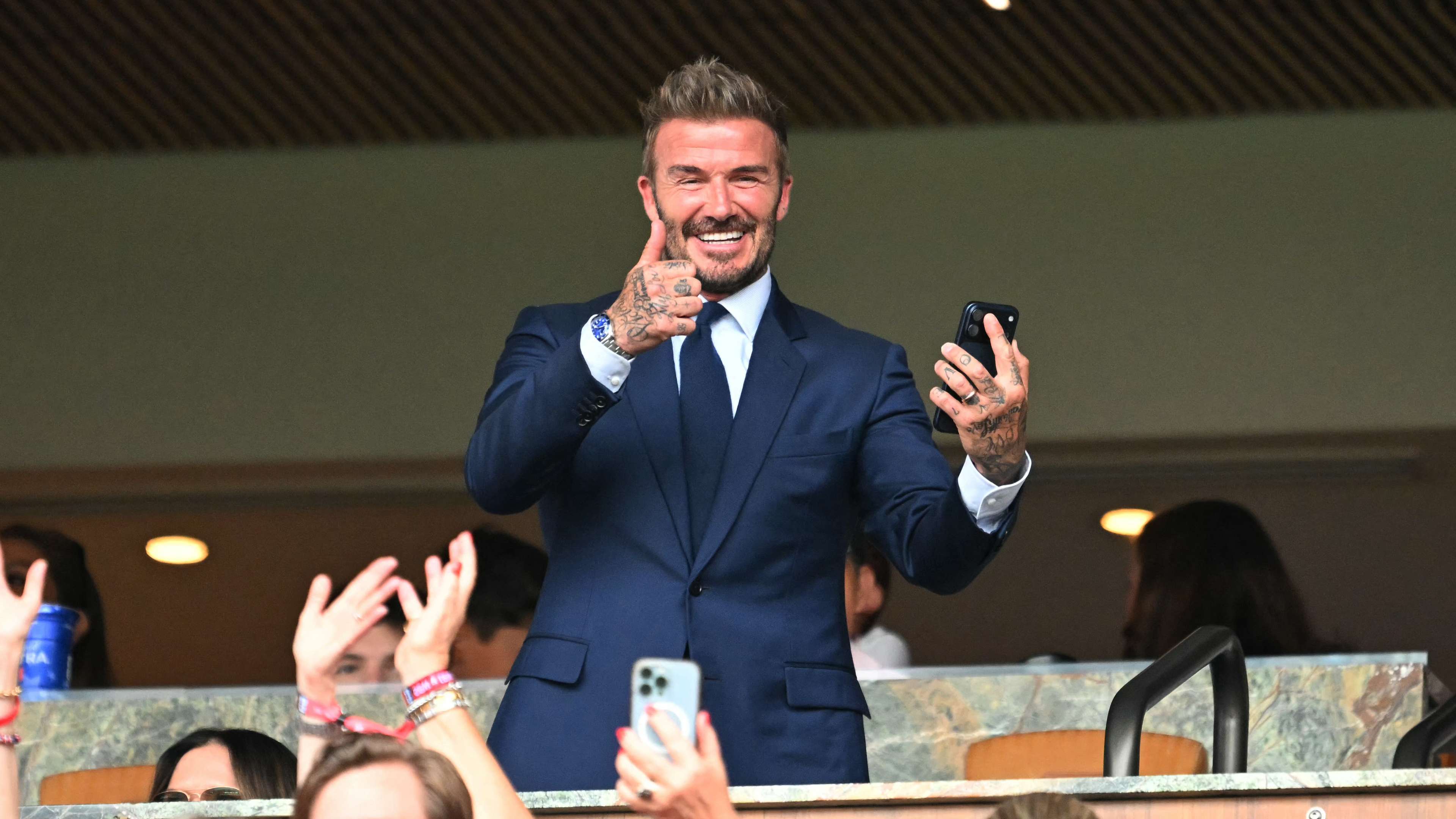
Once celebrated solely for his exceptional skills on the football pitch, David Beckham has seamlessly transitioned from a football icon into a powerful force within the global commercial landscape. His journey exemplifies how a legendary football career can serve as a springboard to unparalleled success in branding, endorsements, and entrepreneurship. As the 2026 FIFA World Cup captivated audiences worldwide, Beckham’s name continued to dominate headlines—not for his playing days but for the remarkable financial empire he has built post-retirement.
From Football Stardom to a Multifaceted Business Empire
David Beckham’s influence extends far beyond his impressive career on the field. Over the years, he has cultivated a formidable brand that resonates across continents, leveraging his global recognition to forge lucrative partnerships with some of the world’s biggest corporations. His transition from footballer to businessman is a case study in strategic brand management, illustrating how sports stars can sustain their relevance—and their bank accounts—long after hanging up their boots.
Today, Beckham’s brand is synonymous with lifestyle, fashion, and global appeal. His ventures include ownership stakes in Major League Soccer’s Inter Miami CF, various endorsement campaigns, and numerous investments in hospitality and fitness sectors. This diversification underscores his savvy in capitalizing on his footballing legacy to generate sustained revenue streams.
Financial Triumph During the 2026 World Cup
The 2026 FIFA World Cup, hosted across the United States, Canada, and Mexico, was a spectacle that drew billions of viewers worldwide. For Beckham, it was more than just a football tournament; it was an opportunity to reinforce his commercial influence and maximize his earnings. According to reports from French sports website Foot Mercato, citing The Telegraph, Beckham amassed an impressive 38 million pounds sterling, roughly 44 million euros, in distributed profits during this period. These figures highlight his ability to capitalize on major sporting events and maintain relevance in the highly competitive world of global advertising.
Much of this revenue was driven by strategic deals his brand management company secured with international corporations. Leading brands such as McDonald’s, Verizon, Pepsi, and Lay’s played pivotal roles in amplifying Beckham’s commercial presence during the tournament. Their advertising campaigns, featuring Beckham, dominated television screens, digital platforms, and billboards, further cementing his status as a marketing powerhouse.
Revenues Surge and Strategic Brand Partnerships
The financial success during the World Cup was part of a broader trend. Beckham’s brand revenues experienced a remarkable 20% increase this year, reaching approximately 84 million pounds sterling, or about 97 million euros. This growth underscores the effectiveness of his strategic partnerships and the enduring appeal of his personal brand.
By transforming his footballing legacy into a diversified commercial portfolio, Beckham has demonstrated how former athletes can leverage their fame into sustainable income sources. His ability to attract top-tier brands and negotiate high-value endorsement deals exemplifies the power of personal branding in the digital age.
The Role of Prediction and Market Trends in Beckham’s Business Strategy
In the world of football and sports marketing, prediction plays a crucial role. Successful athletes and brand ambassadors often rely on predictive analytics and market insights to identify emerging trends and tailor their campaigns accordingly. Beckham’s team has been adept at anticipating shifts in consumer preferences, especially among younger demographics, to keep his brand relevant and profitable.
For instance, the rise of digital streaming platforms and social media influence has allowed Beckham to connect directly with fans worldwide. His active presence on platforms like Instagram and Twitter not only boosts his personal brand but also enhances the appeal of his endorsement deals. This strategic use of prediction and trend analysis ensures that his marketing campaigns remain impactful and lucrative.
Implications for the Future: A Football Prediction of Continued Success
Looking ahead, the predictions for Beckham’s business empire remain optimistic. His diversified portfolio, combined with his global recognition, positions him for sustained growth. As football continues to evolve with innovations like virtual reality and esports, Beckham’s influence could extend into new realms, opening additional revenue streams.
Moreover, his involvement in mentoring up-and-coming athletes and entrepreneurs suggests a future where his predictive insights could shape emerging markets and sports industries. This proactive approach aligns with the broader trend of athletes becoming entrepreneurs and thought leaders, further cementing Beckham’s legacy as a football prediction of ongoing commercial success.
Conclusion: A Legacy Rewritten in Business Terms
David Beckham’s journey from a football legend to a global business titan exemplifies how sports stars can reinvent themselves in the age of digital marketing and worldwide connectivity. His ability to turn football fame into a multifaceted empire, especially during high-profile events like the 2026 World Cup, highlights the importance of strategic prediction, brand management, and market insight.
As his financial achievements continue to grow, Beckham’s story serves as an inspiring blueprint for athletes and entrepreneurs alike. His experience underscores that retirement from professional sports is not the end but rather a new chapter—one filled with opportunities to build, innovate, and predict the future of brand success in the dynamic world of football and beyond.