
Chivu Urges Inter to Stay Resilient After Derby Defeats
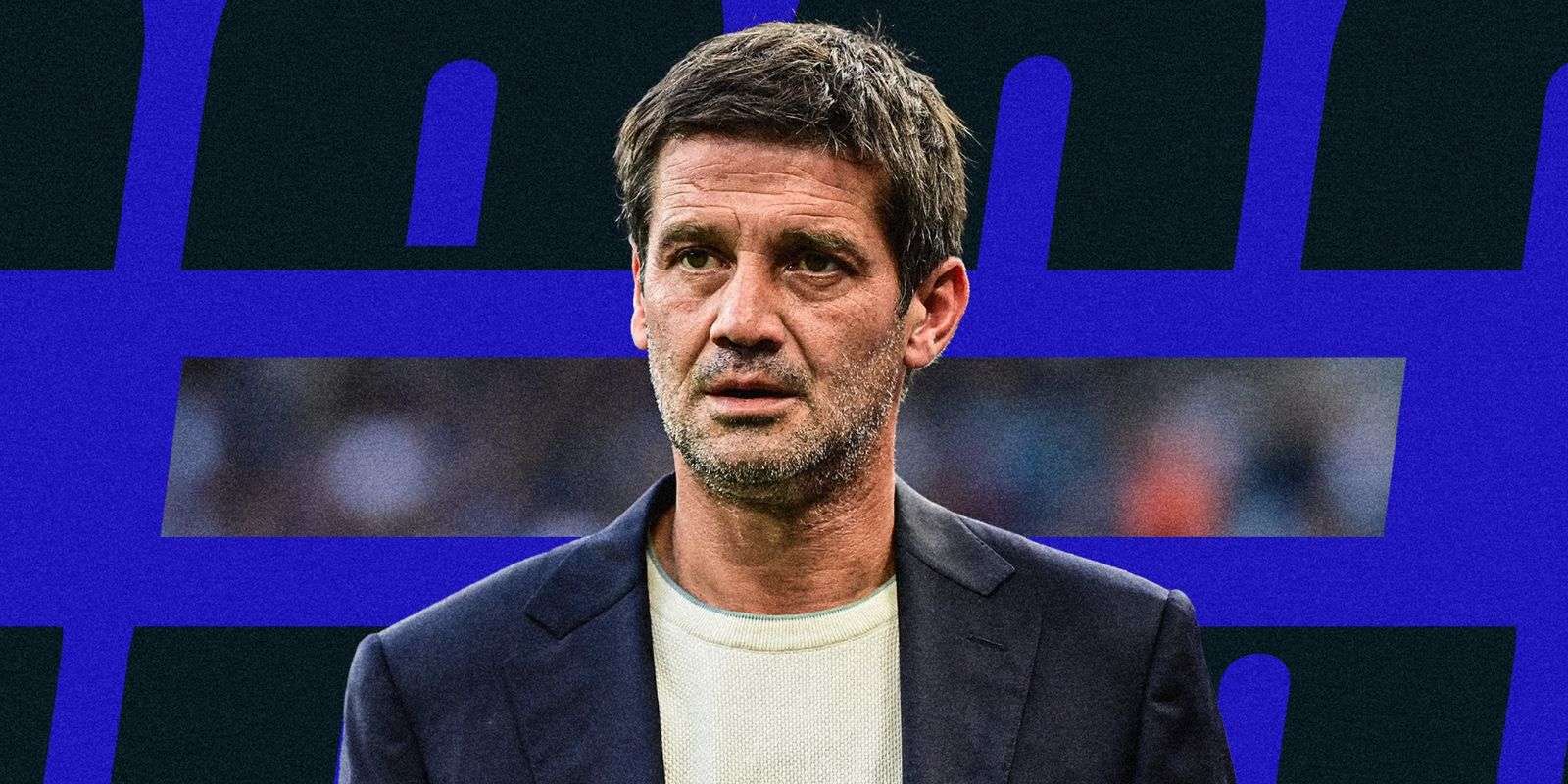
Inter manager Cristian Chivu believes his side can still improve as the club looks to navigate the highs and lows of a demanding season. Speaking in Parma after receiving an award of merit at the 48th Sport Civiltà ceremony, the coach stressed that patience, unity and a strong response to setbacks will be essential if Inter are to meet their ambitions.
Chivu appeared at the Teatro Regio, where he reflected on the team’s recent derby defeats and the broader challenge of maintaining consistency across a long campaign. Rather than allowing disappointing results to define the season, he said, Inter must learn from them and keep working towards a shared objective.
Inter’s response matters more than one result
Asked what Inter can do next, Chivu’s answer was straightforward: the team can improve. He acknowledged that football seasons rarely unfold without difficult spells, and that even an ambitious side will encounter both setbacks and periods of strong form.
“Those are games you have to play,” Chivu said of the derby defeats. His message was not to dismiss the results, but to put them in perspective. A long season requires sustained effort, and a team’s character is often revealed by how it reacts when plans do not go as expected.
The Inter manager highlighted the importance of hard work, patience and sacrifice. He also underlined the need for players and staff to remain united, share the same goal and support one another through adversity. In his view, recovering from a loss is not simply about preparing tactically for the next fixture; it is also about rebuilding confidence and preserving a collective sense of purpose.
Chivu’s comments offer a clear insight into his approach to management. He wants Inter to avoid emotional extremes, whether after a victory or a defeat. Good results should not lead to complacency, he suggested, while poor performances should not trigger despair. Instead, the team must keep doing the work required to remain competitive and give itself the best chance of finishing the season successfully.
A measured approach to the season ahead
That outlook is particularly relevant in a campaign where the fixture list can quickly test a squad’s depth and focus. Inter’s next scheduled Serie A match is against Atalanta on 23 November 2026, a demanding encounter that will require concentration, discipline and a strong response from the players.
Any prediction about the outcome of an individual match remains uncertain, especially in a league where small details can shape the result. However, Chivu’s emphasis on resilience points to the qualities Inter will need in the weeks ahead: composure under pressure, effective teamwork and the ability to turn lessons from difficult games into better performances.
For supporters following Inter, the coach’s remarks provide a reminder that a season is judged over time, not by one derby or one disappointing afternoon. Maintaining competitiveness means continuing to improve, staying connected as a group and approaching each fixture with the same seriousness—regardless of what came before.
Chivu reflects on his emotional connection to Parma
The ceremony also gave Chivu an opportunity to look back on his time at Parma, a club and city that remain important to him. He recalled arriving with enthusiasm and gratitude after the club placed its trust in him, while also recognising the responsibility that came with the role and the objectives set for the team.
Chivu said the experience went well because of hard work, unity and humility. Those values, he explained, helped the group meet its challenge. His words reflected more than professional appreciation: returning to Parma brought a strong emotional response, shaped by the relationships and memories he built there.
“Coming back to Parma is a pure emotion,” he said, adding that he had tried to give everything he had during his time at the club. He also praised the city and the team, saying they deserved to compete on bigger stages.
Why Parma remains significant
Chivu’s comments point to the lasting influence a club can have on a coach, even after he moves on to a new role. His time in Parma appears to have reinforced the principles he now speaks about at Inter: collective commitment, humility and persistence. Those qualities are not limited to one team; they are central to building a competitive culture across a full season.
For Parma supporters, the recognition and Chivu’s warm words offer a meaningful acknowledgement of the connection between the coach and the club. For Inter fans, meanwhile, his reflections reveal the standards he hopes to carry into the current campaign. He is asking his team to remain ambitious without becoming complacent, and resilient without losing perspective.
The award ceremony therefore became more than a moment of recognition. It provided Chivu with a platform to discuss the demands of football, the importance of responding constructively to defeat and the personal bonds that endure beyond a manager’s time at a club. His central message was consistent: progress depends on effort, togetherness and the willingness to keep moving forward.
As Inter prepare for the challenges ahead, Chivu’s approach offers no guarantee of results—football rarely does. But his focus on unity and steady improvement sets out a clear path: learn from setbacks, avoid being distracted by short-term swings in form and keep working towards the season’s objectives. For a team with high expectations, that response could prove just as important as any tactical adjustment.