
Eddie Howe Rejects Crystal Palace Approach as Managerial Search Intensifies
Crystal Palace’s efforts to steady a struggling season have suffered a setback after Eddie Howe reportedly turned down the opportunity to become the club’s next head coach. The former Newcastle United manager had emerged as a prominent name in the discussion around the position, but his decision leaves Palace looking elsewhere as pressure grows on current boss Pierre Sage.
Palace are reported to be considering a change during the international break, with results leaving the London side rooted to the bottom of the table. The timing would give the club an opportunity to appoint a successor and begin work with the squad before the Premier League schedule resumes. However, finding a candidate willing to take on a difficult mid-season challenge may prove just as important as identifying the right tactical fit.
Why Eddie Howe’s Decision Matters
According to British newspaper The Sun, Howe rejected a recent offer from Crystal Palace despite being open to a return to management. The 48-year-old left Newcastle United last July after spending five years in charge, a period that established him as one of English football’s most closely watched coaches.
Howe’s record at Newcastle made him an attractive option for Palace. He took over at a club facing significant challenges and helped guide it into a more competitive position, including a return to the Champions League. His teams have generally been associated with energetic pressing, quick transitions and a clear attacking structure—qualities that could appeal to a Palace side seeking both an immediate lift and a longer-term identity.
His refusal, however, should not automatically be read as a rejection of Crystal Palace’s potential. A manager weighing up a new job must consider the squad, the club’s plans, the level of control on offer and the time available to make an impact. With Palace reportedly near the foot of the standings, the role would carry substantial pressure from the outset.
Thomas Frank and Sean Dyche Among the Reported Options
French outlet Foot Mercato reports that Palace are preparing to part ways with Pierre Sage during the international break. The club is said to be assessing several possible replacements, with former Tottenham Hotspur and Brentford manager Thomas Frank among the leading candidates. Sean Dyche is also reported to be under consideration.
Frank would offer Palace experience in building organised, competitive teams. His work at Brentford earned widespread attention for combining disciplined defending with well-planned attacking routines, including effective use of set pieces. At Tottenham, he faced the different demands of managing a club with major expectations and a high-profile squad. Those experiences could be relevant to Palace, although any appointment would depend on whether his methods suit the players already at Selhurst Park.
Dyche, by contrast, is known for prioritising structure, physical commitment and defensive resilience. Those qualities can be valuable to a team in a relegation fight, particularly when confidence is low and the immediate need is to stop conceding goals. His challenge would be to make Palace more reliable without limiting the attacking potential that supporters expect from the side.
Palace Face a High-Stakes Decision
A managerial change can provide a short-term boost, but it is not a guarantee of improved results. Palace’s decision-makers will need to assess whether the problems stem primarily from coaching, injuries, recruitment, squad depth or a wider loss of confidence. The answer matters: a new head coach can change the team’s approach, but cannot instantly resolve every weakness.
The club will also have to consider how quickly a successor can adapt. An appointment made during the international break could offer valuable preparation time, but a new manager would still need to understand the squad and establish clear priorities. In a relegation battle, there may be little room for a lengthy transition. Early attention is likely to focus on defensive organisation, player confidence and securing points against direct rivals.
For supporters, the next appointment will be judged not only by the manager’s reputation but by visible progress on the pitch. Palace need greater consistency, improved results and a plan that makes the most of their available players. The balance between an immediate survival push and a sustainable football identity will be central to the club’s choice.
Manchester United Links Add Another Dimension
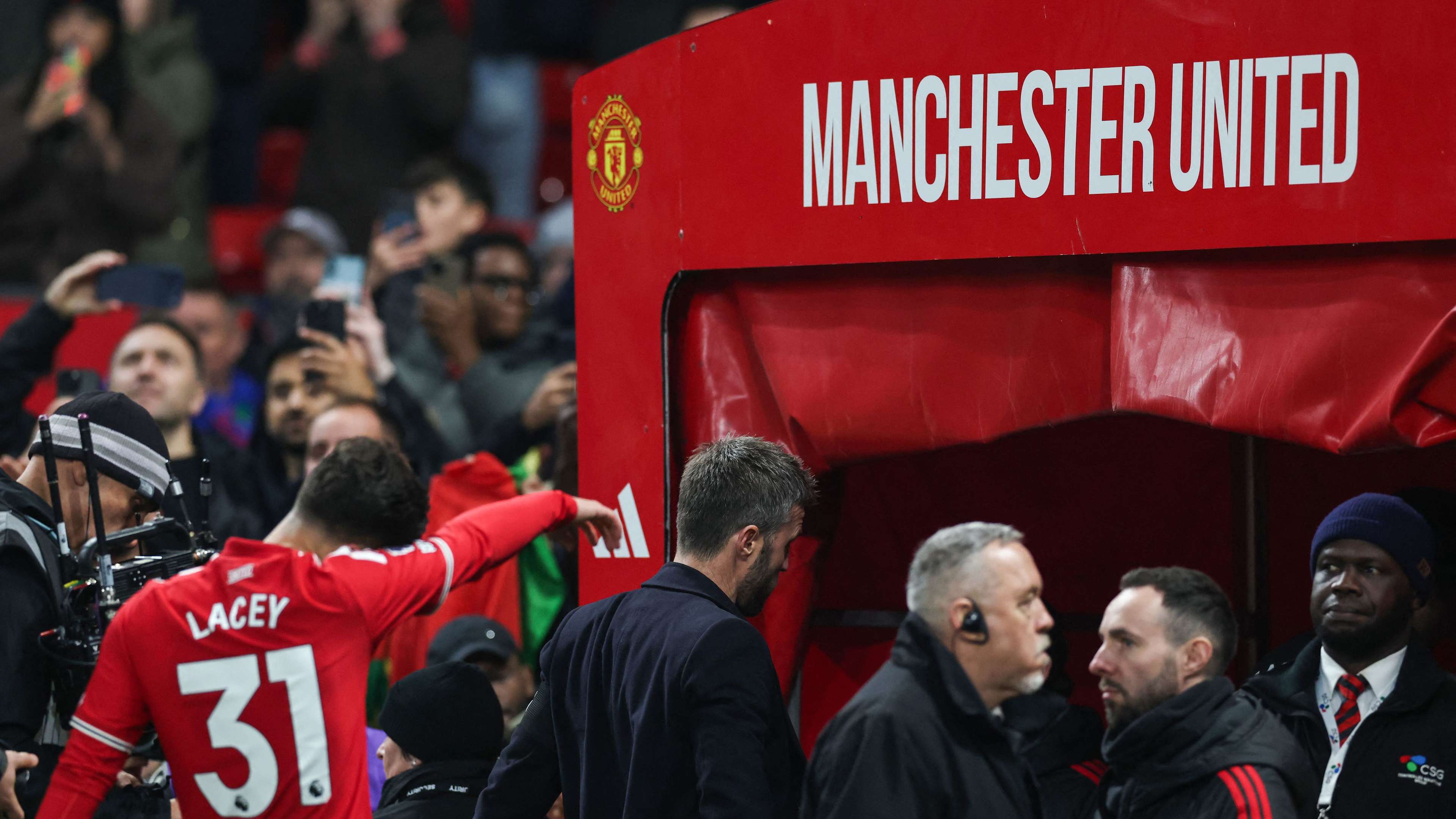
Howe’s future has also been linked with Manchester United. He is reportedly viewed as one of the possible candidates if the club’s leadership decides to move on from Michael Carrick. That speculation could help explain why Howe is being cautious about his next step, although no appointment or formal decision has been confirmed.
Managing Manchester United would represent a very different challenge from taking charge at Palace. The scale of the club, scrutiny from supporters and media, and expectations around trophies would be immense. For Howe, waiting for the right opportunity may be preferable to accepting a demanding role before he is convinced it matches his ambitions.
What Comes Next for Crystal Palace?
With Howe reportedly unavailable, Palace must decide whether to pursue Frank, Dyche or another candidate. The club’s choice will shape the remainder of its season, especially if the reported plan to make a change during the international break goes ahead. Until an official announcement is made, the situation remains fluid, and the names linked with the vacancy should be treated as reported possibilities rather than confirmed negotiations.
From a football prediction perspective, a new manager could improve Palace’s short-term outlook if the appointment brings clarity and restores confidence. Yet the impact will depend on how quickly the players respond and whether the club can turn performances into points. Howe’s rejection has narrowed one path, but Palace still have experienced options to consider. Their next move may determine whether the campaign becomes a prolonged fight at the bottom—or the beginning of a recovery.