
Union Berlin Hold Borussia Dortmund to Frustrating Goalless Draw
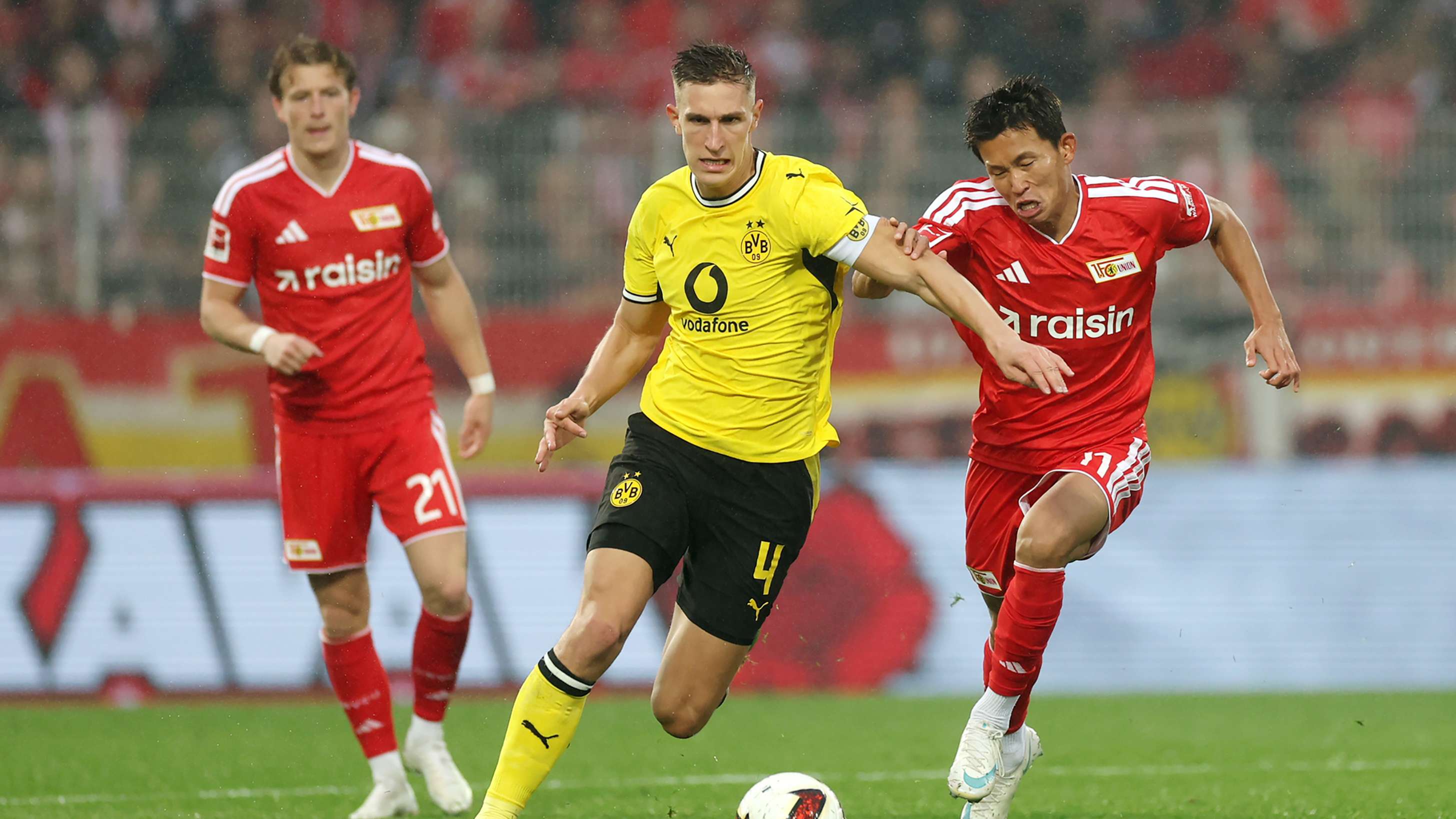
Borussia Dortmund’s visit to Union Berlin ended without a goal as a disciplined home defence frustrated the visitors in a tense Bundesliga encounter. Dortmund controlled much of the ball but struggled to turn possession into clear chances, while Union remained organised and competitive throughout. The result was a tactical stalemate shaped by defensive focus, physical challenges and a shortage of inspiration in the final third.
For Dortmund, the 0-0 draw will feel like a missed opportunity. Niko Kovac’s side completed 570 passes and enjoyed 62.6% possession, yet recorded only two shots on target across the 90 minutes. Union, meanwhile, showed how a compact shape and committed defending can limit a technically gifted opponent—even when that opponent controls the tempo for long stretches.
Early Red-Card Confusion Sets the Tone
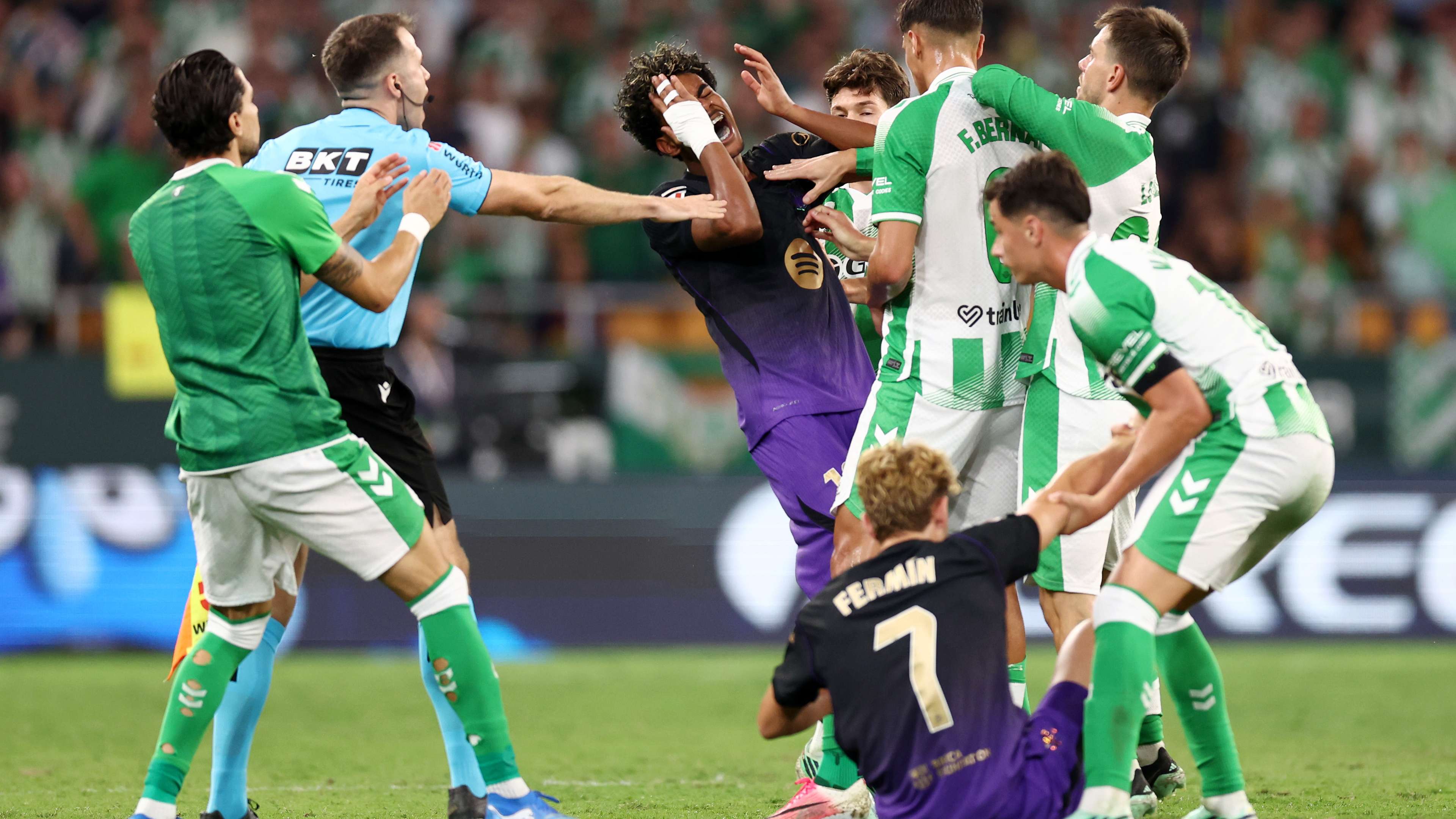
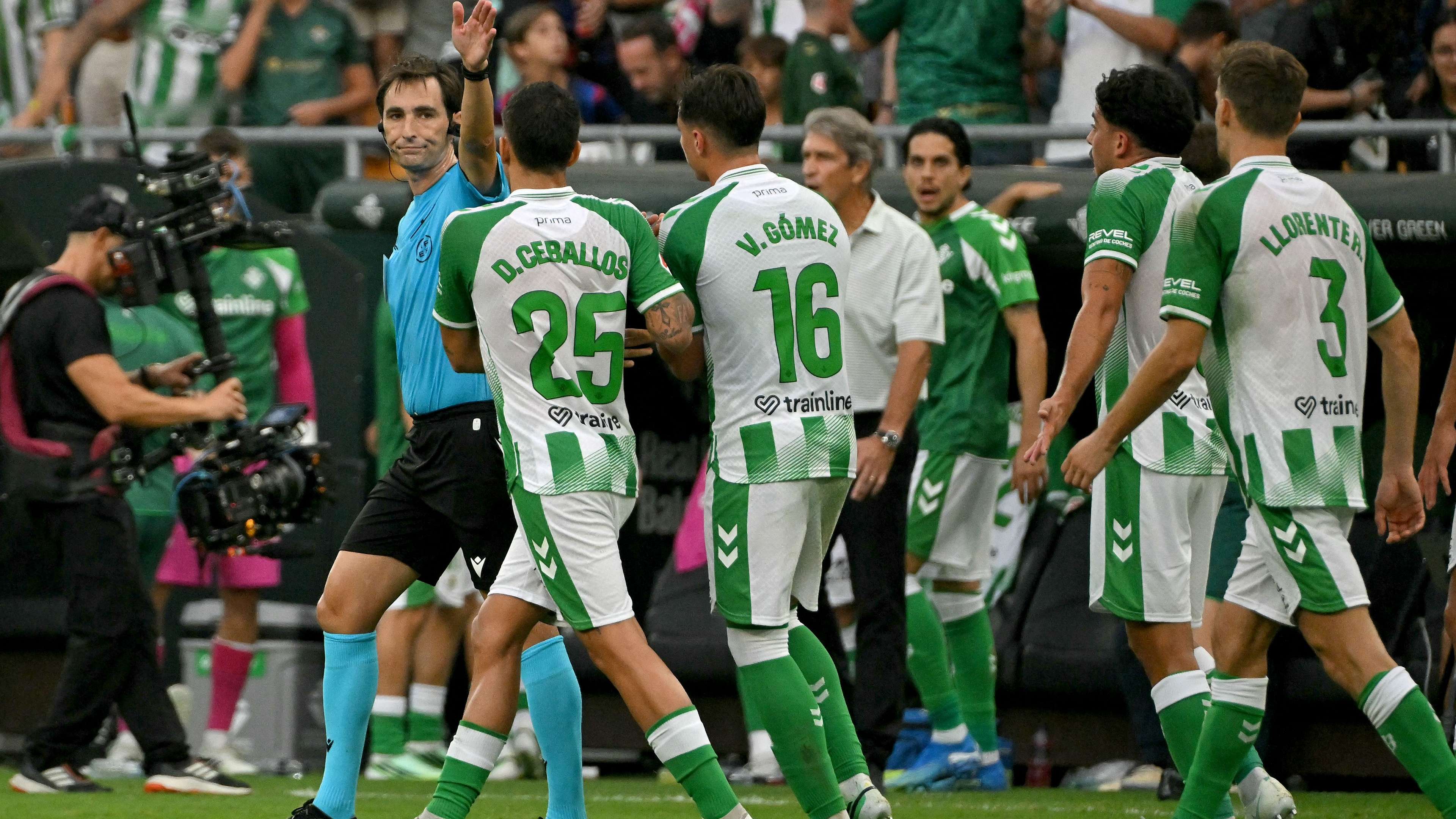
The match began with an unusual flashpoint when Ethan Nwaneri was shown a red card just seconds after the start. The decision was quickly reviewed and downgraded to a yellow, allowing him to remain on the pitch. Although the incident did not decide the contest, it added immediate drama to a game that would soon settle into a physical, closely contested pattern.
Both teams approached the opening stages with caution. Union were determined to protect the space in front of their defence, while Dortmund looked to establish control through patient passing. The hosts’ early discipline was important: rather than chasing the ball and opening gaps, they stayed compact and encouraged Dortmund to circulate possession away from dangerous areas.
Dortmund Possession Fails to Produce a Breakthrough
Dortmund’s possession numbers reflected their territorial advantage, but the statistics also highlighted the central problem. The visitors moved the ball frequently without consistently finding the combinations needed to unsettle Union’s defensive block. Their midfield and forward line struggled to connect, leaving attackers with limited opportunities to receive the ball in threatening positions.
Union’s defensive structure narrowed the routes into the penalty area and made it difficult for Dortmund to play through the middle. When the visitors attempted to move the ball wide, the home side could shift across and contest deliveries. As a result, Dortmund’s attacks often ended before they developed into high-quality chances. Possession brought control, but not the cutting edge required to win the match.
That distinction is crucial in modern football. A team can dominate the ball and still fail to dictate the most important moments if its possession takes place too far from goal. Dortmund’s challenge was not simply to pass more quickly, but to create movement between the lines, draw defenders out of position and deliver the final pass with greater precision.
Union Berlin’s Defensive Plan Pays Off
Union Berlin’s performance was built on concentration and collective effort. The home side defended as a unit, limited space around the box and remained alert to Dortmund’s attempts to find openings. Their resistance did not depend on one dramatic intervention; it came from sustained organisation and a willingness to compete for second balls and individual duels.
The approach also helped Union manage the emotional and physical demands of the contest. Six yellow cards were shown, underlining how combative the game became. Rather than allowing Dortmund to establish a smooth attacking rhythm, Union repeatedly disrupted the visitors’ flow and made each attempt to progress feel difficult.
For the hosts, the clean sheet was a meaningful reward. Preventing a side with Dortmund’s attacking resources from scoring requires more than simply sitting deep: it demands communication, careful positioning and discipline when defending transitions. Union delivered those qualities and ensured that Dortmund’s periods of pressure rarely became sustained danger.
Why the Goalless Scoreline Matters
The final score reflected a match in which defensive organisation outweighed attacking invention. Dortmund’s two shots on target offered a clear measure of how little their possession produced in the most decisive areas. Union, for their part, can take confidence from containing a major opponent, although a draw also means they missed the chance to turn their defensive work into a home victory.
For Dortmund, the result raises familiar questions about how to break down a well-drilled low block. When opponents deny central space, the solution often requires more than patient circulation. Faster switches of play, overlapping runs, sharper movement from forwards and more willingness to attempt combinations around the box can help create the small gaps that decide tight matches.
There is also a balance to strike between control and risk. Dortmund’s passing helped them retain possession, but a more direct change of pace may have forced Union to defend facing their own goal. Without that variation, the home side could remain settled and anticipate where the next attack was likely to develop.
What Comes Next: Football Prediction and Key Takeaways
This result offers a useful reference point for future football prediction discussions involving both clubs. Union’s defensive performance suggests they can make life difficult for opponents who rely heavily on possession, particularly at the Alte Försterei. However, repeating a clean sheet will depend on maintaining the same organisation and intensity from week to week.
Dortmund’s outlook is less straightforward. Their ability to control the ball remains a strength, but this match showed that possession alone cannot guarantee goals. If the attacking connections improve and the team creates more shots from dangerous positions, Dortmund should be better equipped to convert dominance into wins. If not, similarly compact opponents may continue to frustrate them.
Ultimately, this was a hard-fought draw rather than a spectacle. Union Berlin earned credit for executing a disciplined defensive plan, while Dortmund will leave knowing that their territorial advantage needed to produce far more. The match’s defining lesson was simple: in elite football, control only matters when it leads to genuine threat. At the Alte Försterei, Union defended that threat away—and neither side found the spark to change the score.