
Asian Football Confederation Backs Infantino in FIFA Presidency Race
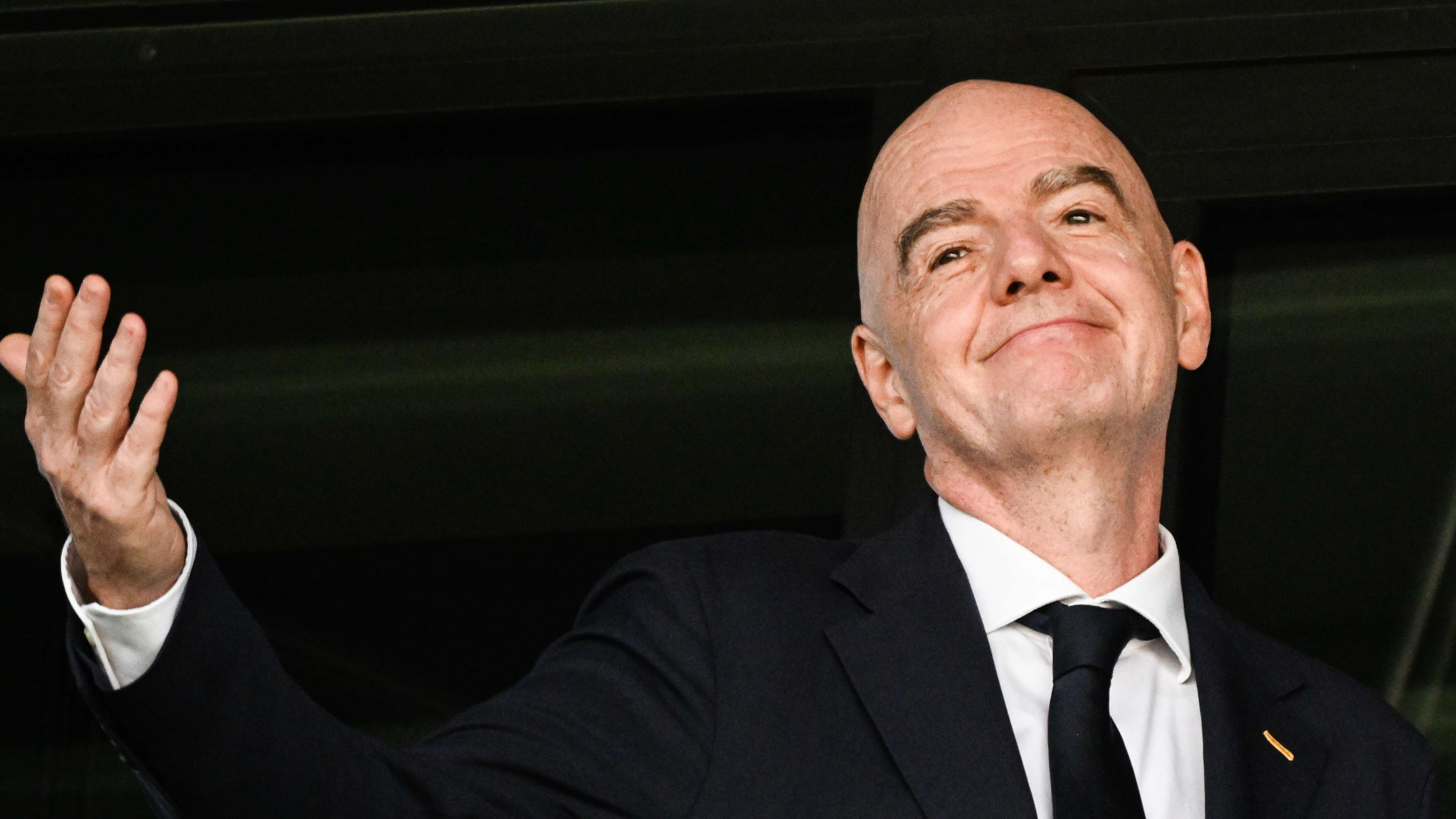
Gianni Infantino has received a significant boost in his bid for another term as FIFA president, after the Asian Football Confederation (AFC) publicly pledged its support in Tokyo. The announcement marks a notable change in the relationship between FIFA and Asian football leaders, whose recent disagreements had raised questions about Infantino’s position ahead of next March’s election.
AFC president Sheikh Salman bin Ibrahim Al Khalifa announced the decision on Friday at a meeting of the continental body, with Infantino in attendance. He said consultations with football officials across Asia had confirmed the region’s support for the FIFA leader as he seeks a new term.
“We renew our full commitment to supporting you and your leadership, as you seek a new term as FIFA president,” Sheikh Salman said, according to the AFC’s official website. He also acknowledged that the two sides had disagreed in the past, but argued that cooperation was essential for the game’s future.
“Gianni, yes, we had disagreements in the past, but we must move forward. Football is stronger when we work together,” he said.
A major shift after a period of tension
The endorsement is important because the AFC had previously been among the confederations challenging a FIFA commercial proposal. The plan involved creating a company linked to the governing body that could attract private-sector investment. Details of the proposal were not widely publicized at first, and it ultimately failed to move forward after opposition from several influential football organizations.
Asia had aligned with UEFA and CONCACAF in resisting the initiative. Even after the project was abandoned, the AFC continued to criticize FIFA’s approach and, according to the original report, called for Infantino to resign. The Tokyo announcement therefore represents more than a routine expression of support: it signals that the confederation is prepared to put the dispute behind it as the presidential contest approaches.
The shift also reflects the way football politics can evolve. A disagreement over governance or commercial strategy does not always translate into lasting opposition at election time. Confederations and national associations may reassess their positions as negotiations continue, priorities change, and leaders seek common ground on issues such as investment, competition development and the distribution of resources.
Why Asia’s support matters
The AFC’s backing carries considerable weight because it represents 46 member associations. FIFA presidential elections are decided through votes cast by national associations, giving each confederation’s ability to build consensus a potentially decisive role. A united Asian bloc would strengthen Infantino’s position, particularly as he faces reported opposition from parts of the football community elsewhere.
UEFA represents 55 member associations, while CONCACAF has 35. Those figures underline the scale of the electoral landscape, but they do not automatically determine the outcome: national associations may make their own choices, and political alliances can shift during the campaign. Still, support from Asia gives an incumbent a substantial platform and makes it harder for a challenger to assemble a broad coalition.
For football followers, the announcement offers an early indication of how the race may develop. It is not a final prediction of the election result, since votes are secret and the campaign has not yet concluded. But the AFC’s public commitment is a strong political signal, especially when compared with the recent tensions between the confederation and FIFA leadership.
Election timetable and possible challengers
FIFA is scheduled to hold its presidential election next March, with the deadline for submitting candidacies set for November 18. Infantino, 56, is the only candidate reported to have officially declared so far. Victor Montagliani, the CONCACAF president who has been mentioned as a possible rival, is not expected to enter the contest, according to the report.
The absence of a confirmed challenger gives Infantino an advantage at this stage, but the field could still change before the nomination window closes. Prospective candidates would need to secure the required backing and persuade associations that they offer a credible alternative on leadership, governance and the development of the global game.
Infantino has led FIFA since 2016 and is pursuing another term at the top of the organization. The report describes the coming bid as his fourth and final term. His campaign is likely to be assessed not only on relationships with the confederations, but also on FIFA’s commercial direction, tournament expansion and the way football revenues are shared across regions.
What the endorsement could mean for FIFA
The Tokyo meeting suggests both sides are choosing practical cooperation over continued public conflict. For the AFC, backing Infantino may help preserve influence in discussions affecting Asian football. For FIFA’s president, the endorsement strengthens his standing in a contest where support from large regional blocs can shape momentum well before election day.
That does not mean every disagreement has disappeared. The abandoned investment proposal exposed differing views about how FIFA should work with private capital and who should have a say in major commercial decisions. Those questions may return in another form, particularly as football’s global business continues to grow and governing bodies face pressure to fund development while protecting the sport’s long-term interests.
For now, however, the message from Tokyo is clear: the AFC is backing Infantino’s pursuit of another term. The announcement transforms a recent source of friction into an apparent alliance and gives the FIFA president a valuable boost ahead of the November candidacy deadline. Whether that support proves decisive will depend on the final list of candidates and the choices made by national associations next March, but Asia’s position has already reshaped the early outlook of the FIFA presidency race.