
AC Milan Transfer Shake-Up: Markus Krösche Emerges as Sporting Director Target
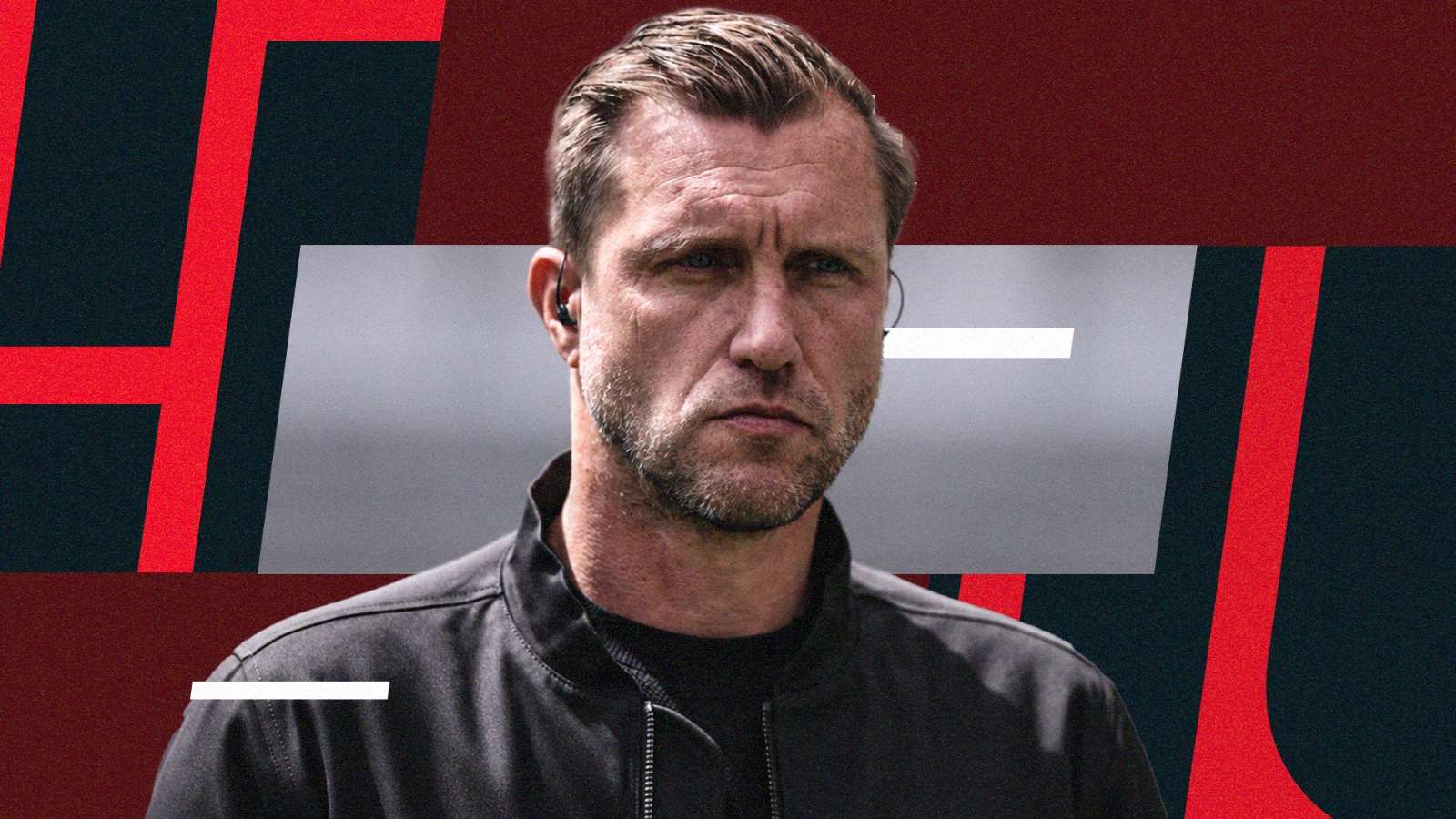
AC Milan’s disappointing defeat to Bournemouth has added urgency to a season that was already threatening to drift off course. With injuries mounting, January approaching and questions growing over the club’s transfer strategy, owner Gerry Cardinale is reportedly preparing to make a decisive move in the boardroom. The leading candidate is Markus Krösche, the Eintracht Frankfurt executive who has been identified as Milan’s preferred choice for sporting director.
According to Sky Sport Germany, Cardinale is expected to act in the coming days. Krösche is understood to be effectively on his way out of Eintracht, although he remains under contract. Any move would therefore require careful negotiation, but Milan’s interest signals a recognition that the club needs a senior football executive to help shape its recruitment and sporting direction.
A difficult start to the 2026–27 campaign
Milan began the 2026–27 season on the back foot after a summer transfer window in which not all of Ruben Amorim’s requests were fulfilled. The club entered the campaign with gaps in the squad and has been trying to make up ground ever since. Results and performances have intensified scrutiny of the decisions made before the season began, particularly as the team has struggled to find consistency.
The defeat at Bournemouth was a fresh warning. Milan rested several regular starters for the Europa League fixture, but the changes did little to alter the balance of the contest. The Italian side spent much of the 90 minutes under pressure from their English opponents, raising concerns about squad depth as well as the team’s ability to manage demanding stretches of the schedule.
One result does not define a season, and rotation can be necessary when fixtures are crowded. Yet the performance underlined the risks of relying on a limited group of dependable players. When key starters are unavailable or rested, Milan need alternatives capable of maintaining the team’s intensity and tactical structure. At present, injuries have made that challenge even more pressing.
Why Milan needs a sporting director
Cardinale’s reported interest in Krösche reflects a broader debate about how Milan should be run. Recruitment increasingly involves data analysis, scouting networks and financial modelling, but the club also needs an executive with a deep understanding of football itself: how a squad fits together, what a coach requires and which players can adapt to the demands of a particular league.
A sporting director can connect those areas. The role typically involves working with the head coach, assessing transfer targets, planning for future windows and helping ensure that recruitment supports a clear sporting identity. It can also provide continuity when coaching staff or players change, reducing the risk of each transfer window becoming a series of short-term reactions.
For Milan, that structure could be particularly important after a summer in which Amorim’s preferred reinforcements were not all secured. A sporting director with authority and a strong working relationship with the coach could help translate tactical needs into a realistic recruitment plan. That would not guarantee success, but it could make the club’s decisions more coherent and reduce the gap between what the manager wants and what the squad can deliver.
What Markus Krösche could bring
Krösche’s name has gained prominence because of his work in German football and his experience in executive roles. At Eintracht Frankfurt, he has been involved in building squads, identifying talent and navigating the practical demands of recruitment. His profile appears to fit the kind of football-focused leadership Milan are seeking: an administrator who can work with data while also judging players in the context of tactics, character and team balance.
If appointed, Krösche would face immediate questions rather than a long settling-in period. Milan’s injury list could force the club to consider reinforcements in January, but the new sporting director would need to distinguish between urgent cover and signings that genuinely improve the squad over the longer term. A rushed deal may fill a short-term gap, yet leave the club with an unsuitable player or another imbalance in the squad.
The January market is also notoriously difficult. Clubs are often reluctant to sell their best players midway through a season, while competition for available talent can push prices upward. Milan may therefore need to consider loans, versatile players and opportunities involving footballers who are not getting regular minutes elsewhere. The priority will be to strengthen the areas most affected by injuries without compromising the club’s broader financial and sporting plans.
January could shape Milan’s season
The next transfer window may prove pivotal. If Milan can add depth in the right positions, the club could give Amorim more options and reduce the burden on its regular starters. If recruitment is delayed or poorly targeted, however, the team may remain vulnerable whenever injuries or fixture congestion disrupt the preferred lineup.
That is why the sporting director appointment matters beyond the headline. Milan need someone capable of turning a difficult situation into a structured plan: identifying immediate needs, setting priorities and balancing short-term competitiveness with long-term squad building. The process should also involve clear communication between ownership, management and the coaching staff, so that transfer decisions reflect a shared vision.
Prediction: Milan’s next move will be closely watched
The reported pursuit of Krösche suggests Cardinale understands that Milan’s challenges cannot be addressed through recruitment numbers alone. The club needs a football executive who can help establish a consistent strategy and give the January window a clear purpose. Whether Krösche ultimately accepts the role will depend on the terms of any agreement and the responsibilities Milan are prepared to give him.
For supporters, the prediction is straightforward: the coming weeks could reveal as much about Milan’s ambitions as the transfer window itself. A quick appointment would give the club time to prepare for January, while a prolonged search could leave important decisions unresolved. After the Bournemouth defeat and a difficult start to the campaign, Milan need more than a reaction to one result. They need a sporting plan capable of strengthening the squad, supporting Amorim and restoring confidence in the club’s direction.