
Micah Richards calls Harry Kane a generational great—but keeps England’s 1966 heroes above him
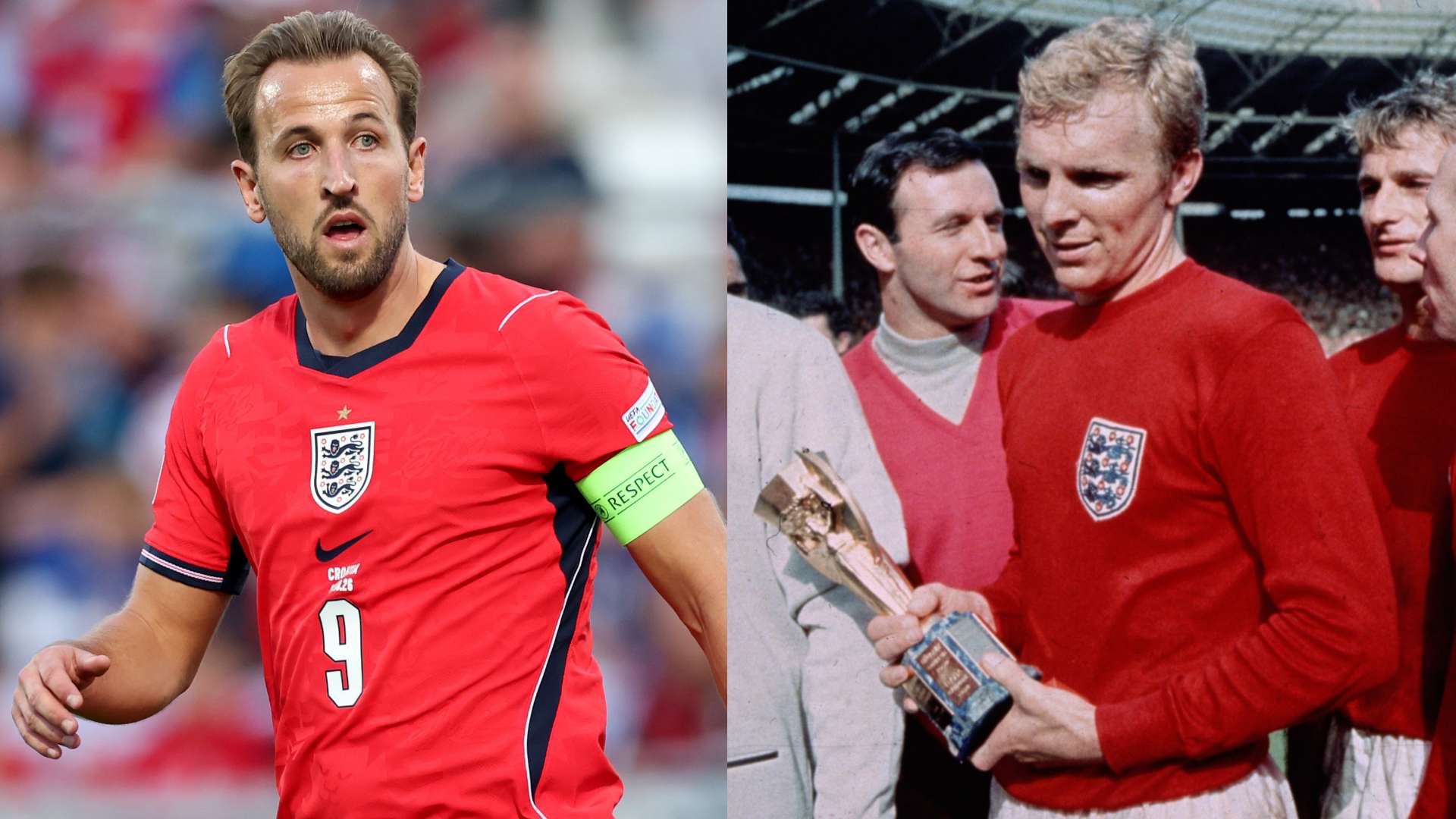
Harry Kane has established himself as one of the defining footballers of his era, yet Micah Richards believes the England captain still has ground to make up in one important debate. Speaking to GOAL, the former England defender described Kane as the “GOAT of our generation” while placing the heroes of England’s 1966 World Cup triumph ahead of him in the country’s all-time story.
The distinction reflects the unusual standards attached to representing the Three Lions. Kane’s individual record is extraordinary: he has scored 91 international goals and is preparing to earn his 126th England cap. But for Richards, personal milestones cannot entirely replace the achievement that remains the benchmark for English football—the men who lifted the World Cup on home soil.
Kane’s remarkable England record
Kane has become one of the most productive international strikers of the modern game. His 91 goals place him at the top of England’s scoring charts, while his longevity and consistency have made him a central figure across multiple generations of the national team. Reaching 126 appearances would add another landmark to a career already defined by record-breaking numbers.
Those figures tell only part of the story. Kane has often carried the responsibility of leading England’s attack, serving as captain and providing a reliable focal point in major tournaments. His ability to finish chances, link play and remain influential under pressure has helped make him one of the most complete forwards of his generation.
Richards’ praise is therefore significant. Calling Kane the “GOAT of our generation” recognises not simply his goal tally, but his standing among the leading players of the modern era. Kane has been a regular contender for football’s biggest individual honours and has won the Ballon d’Or, further strengthening his reputation as a player whose achievements extend beyond international statistics.
Why the 1966 team remains the benchmark
Even with Kane’s exceptional résumé, Richards draws a line between individual greatness and national legacy. England’s 1966 side delivered the country’s only men’s World Cup title, defeating West Germany 4–2 after extra time in the final at Wembley. That triumph continues to occupy a unique place in English sporting history because no subsequent generation has matched it.
The comparison is not necessarily a criticism of Kane. Instead, it highlights the challenge faced by every England player who follows the 1966 team. A prolific scorer can break records and collect major individual awards, but winning a World Cup creates a collective achievement that is difficult to replicate—and impossible to overlook when ranking national icons.
For supporters, the debate also raises a broader question: how should greatness be measured? Goals, appearances, leadership and influence all matter, but trophies carry their own weight. Kane has delivered at club level and built an outstanding international career, yet he is still without a senior international trophy with England. That gap is the clearest reason Richards places the 1966 heroes ahead of him.
The pursuit of international silverware
England have come close to ending their long wait for a major men’s trophy during Kane’s time as captain. The team has reached the latter stages of major tournaments, giving fans renewed hope that a new generation could create its own defining moment. However, reaching a final or producing a strong tournament run is not the same as lifting the trophy.
That difference shapes the football prediction surrounding Kane’s legacy. If England win a major international competition while he is leading the side, his place in the country’s history would likely rise sharply. A title would give his record-breaking career the team achievement that currently separates him from the most celebrated figures in English football.
There is no guarantee that such an opportunity will arrive. International tournaments are decided by fine margins, and even the strongest squads can be eliminated by a single mistake, an inspired opponent or a penalty shootout. Kane’s challenge is to keep England competitive while continuing to deliver the goals and leadership expected of their captain.
A defining period for England’s captain
Kane’s next appearance, his 126th for England, offers another reminder of his remarkable durability and importance to the national team. Every cap adds to a career that has already rewritten the record books. Yet the larger story remains unfinished: whether England can turn individual excellence into the kind of shared success that defines a generation.
For now, Richards’ assessment captures both sides of Kane’s standing. He is a generational great, a record-breaking England scorer and a captain whose influence has endured through years of international competition. At the same time, the 1966 team retains a special status because its players achieved what every England side since has pursued.
Kane’s legacy is still being written. His numbers have secured his place among the country’s most important footballers, but a major international trophy would transform the conversation. Until then, England’s World Cup winners remain the standard—and Kane’s next chapter will be judged partly by whether he can help bring that historic success into the present.