
Koulibaly Under Fire After Al Hilal’s 3-2 Clasico Win Over Al Ittihad
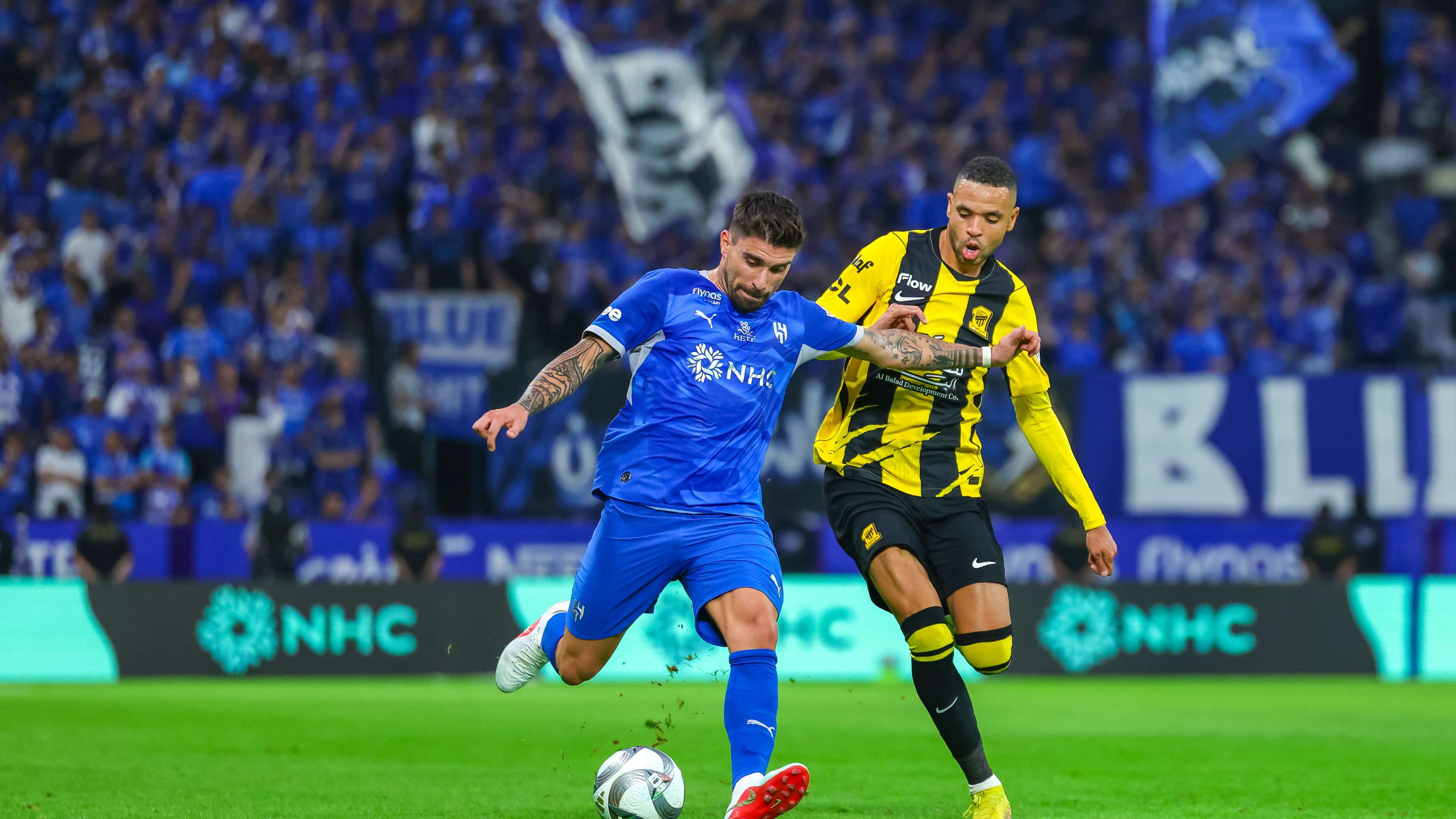
Kalidou Koulibaly has come under heavy criticism following Al Hilal’s dramatic 3-2 victory over Al Ittihad in the eighth round of the Saudi Roshn League. The Senegal international was singled out after his positioning contributed to Youssef En-Nesyri’s goal, giving Al Ittihad a route back into a fiercely contested Clasico.
Although Al Hilal ultimately claimed all three points, the defensive lapse quickly became one of the match’s main talking points. The incident prompted sharp reactions from Saudi football commentators and renewed debate about Koulibaly’s form, Al Hilal’s defensive organisation and the importance of concentration in high-pressure fixtures.
How En-Nesyri Punished Al Hilal’s Defensive Error
En-Nesyri scored in the 22nd minute, finishing a well-crafted move that began with an excellent pass from Marwan Al Sahafi. The Moroccan forward found space inside the penalty area, controlled the opportunity and fired a powerful shot beyond goalkeeper Yassine Bounou.
The strike was an important moment in the match, but the discussion that followed focused on how En-Nesyri had been allowed to get into position. Koulibaly appeared to lose track of the striker’s movement, leaving him with the time and room needed to take aim. Against a forward known for his ability to convert limited chances, even a brief lapse can prove costly.
Al Ittihad’s goal also highlighted a wider defensive question: how effectively did Al Hilal track runners moving into dangerous areas? In a Clasico played at high intensity, defenders must communicate clearly, maintain their distances and react quickly when attackers change direction. En-Nesyri’s movement exposed a moment when those responsibilities were not carried out successfully.
Abdullah Falatah Delivers a Blunt Assessment
Sports broadcaster Abdullah Falatah was among the most outspoken critics after the game. Speaking on Saudi Arabia’s Thmanyah network, he questioned the Al Ittihad coach’s management of the match and criticised Koulibaly’s concentration. Falatah used the phrase “technical Alzheimer’s” to describe what he saw as repeated lapses in the defender’s awareness.
His comments were deliberately provocative, reflecting the intensity of post-match debate rather than offering a measured medical or technical assessment. Falatah also argued that Al Ittihad could have gained more from the contest by playing with two forwards, suggesting a different attacking setup might have put greater pressure on Al Hilal’s defence.
That tactical point adds another dimension to the criticism. A team’s defensive performance is shaped not only by individual errors but also by the way both sides organise themselves. Al Ittihad’s forward movement created problems, while Al Hilal had to manage runners and spaces under pressure. The goal therefore raised questions about Koulibaly’s positioning as well as the collective response around him.
Analysts Debate Responsibility for the Goal
Other commentators also focused on the defensive sequence. Analyst Abdo Atif attributed the goal to Koulibaly’s positioning, arguing that En-Nesyri was given too much freedom to receive the ball and shoot. From that perspective, the key mistake happened before the finish: Al Hilal failed to prevent the striker from settling into a dangerous pocket of space.
Such assessments are common after major football matches, where a single goal can become a test case for broader tactical arguments. However, responsibility for a conceded goal can involve several players. Defensive shape, communication, pressure on the passer and the centre-back’s awareness all influence whether an attacker gets a clear opportunity.
For Al Hilal, the incident will be a reminder that strong attacking performances do not remove the need for consistency at the back. A side competing for honours must be able to defend dangerous transitions and crosses without allowing elite forwards to dictate the terms inside the box.
What the Goal Means for Koulibaly and Al Hilal
Koulibaly arrived at Al Hilal with a reputation for leadership, physical strength and experience in major competitions. Those qualities make him an important figure in the team’s defence, particularly in high-stakes matches where composure and organisation matter as much as tackling. That is also why a visible mistake attracts attention: expectations for an established international defender are naturally high.
Still, one incident should not define a player’s entire performance or season. A fair assessment requires looking at the full 90 minutes, including how Koulibaly handled other defensive duties, whether he recovered after the error and how the team protected its lead. Football analysis is strongest when it considers patterns over time rather than drawing a sweeping conclusion from one moment.
Al Hilal’s 3-2 result will be welcomed by supporters, but the narrow scoreline suggests there are defensive details for the coaching staff to review. The team may examine how it tracked En-Nesyri, whether the back line held its shape and how quickly players reacted when Al Ittihad moved the ball into the final third. These adjustments could prove important as the league campaign develops.
Clasico Result Shapes the Saudi Pro League Prediction
The victory keeps Al Hilal’s ambitions firmly in focus, while Al Ittihad can take encouragement from the way it challenged a leading rival and found a route back into the match. In a title race, Clasico results carry weight beyond the points: they can influence confidence, momentum and the way teams are judged by supporters and analysts.
Any early-season Saudi Pro League prediction should, however, account for the length and unpredictability of the campaign. One dramatic win does not settle the title race, just as one defensive error does not prove that a team’s back line is fundamentally unreliable. Consistency across upcoming fixtures will offer a clearer indication of each club’s prospects.
For Koulibaly, the response will matter more than the criticism. If he and his teammates tighten their communication and limit the space available to opposing forwards, the episode may become a useful lesson rather than a lasting concern. The Clasico delivered three points for Al Hilal, but it also provided a clear reminder: in elite football, a momentary lapse in positioning can change the story of an entire match.