
Vinícius Júnior’s Red Card Overshadows Real Madrid’s Win Over Villarreal
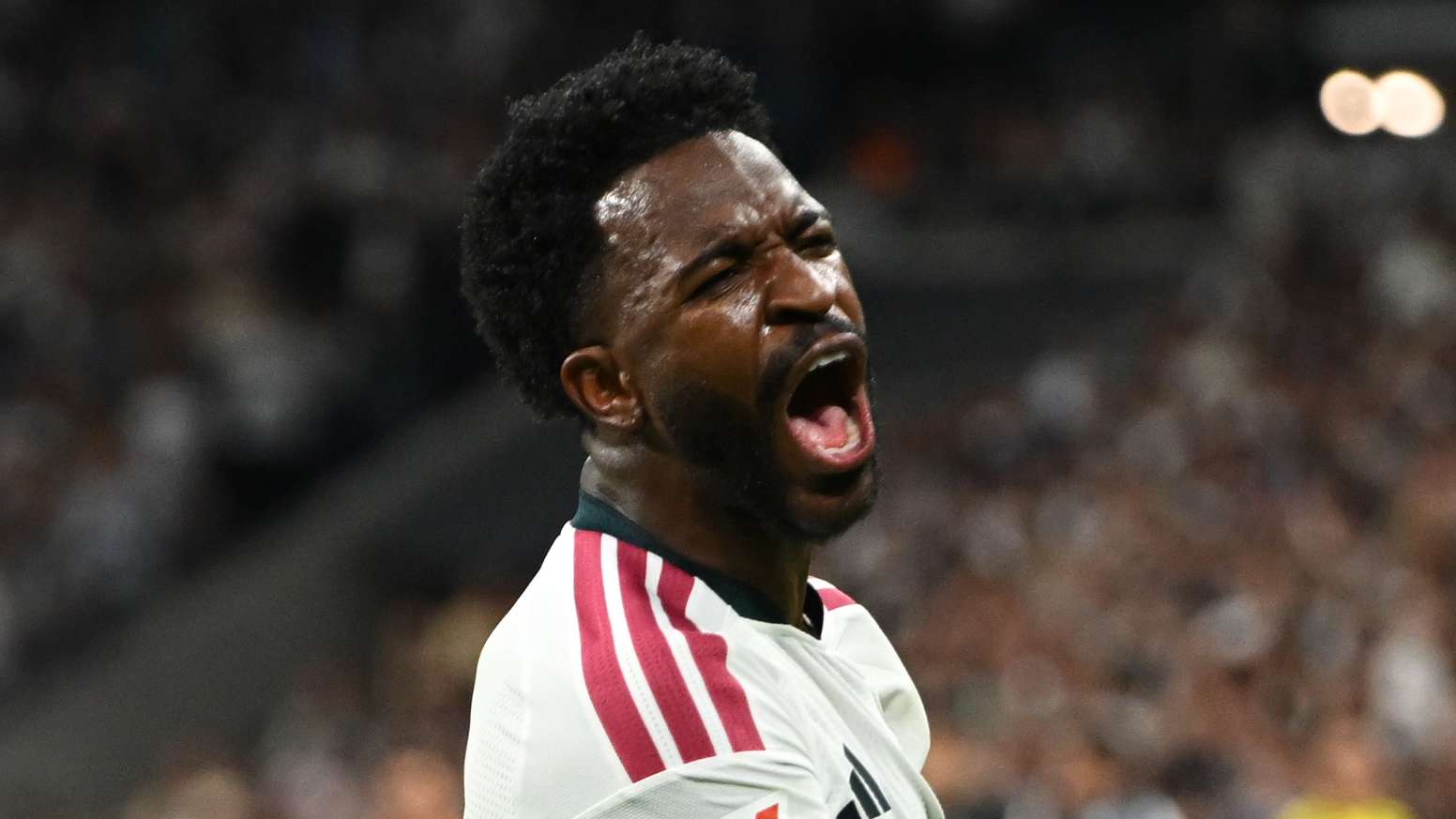
Vinícius Júnior was the defining figure in Real Madrid’s match against Villarreal—but not only for the reasons Madrid supporters would have hoped. The Brazilian forward produced a decisive attacking moment, then turned a comfortable finish into a tense test of discipline when he was sent off late in the game. His dismissal also wiped out the goal that had just followed the incident, leaving Madrid to protect their lead with ten players.
The episode has sparked debate about the decision, the laws of football and Vinícius’s responsibility as an experienced player. While opinions differ over whether the contact was severe enough to merit a red card, former footballer and broadcaster Rubén Cañizares argued that the forward should have avoided putting himself and his team in that position.
How the incident changed the closing minutes
Madrid appeared to have delivered a decisive blow when Vinícius found the net during a promising attack. But the celebrations were short-lived. The referee dismissed him after an off-the-ball confrontation involving a tug at an opponent’s hair, and the goal was disallowed in the aftermath of the incident.
That combination of decisions transformed the end of the match. Instead of using the goal to settle the contest, Madrid had to reorganise with a player fewer and defend under pressure. Villarreal were given renewed encouragement, while the home side faced the difficult task of managing the remaining minutes without one of their most dangerous attackers.
Madrid ultimately held on, but the finish was far less comfortable than it might have been. For a team with ambitions across domestic and European competition, the incident offered a reminder that a moment of frustration can affect more than an individual’s disciplinary record. It can alter the match, disrupt a team’s shape and give an opponent a route back into the contest.
Cañizares questions Vinícius’s decision-making
Speaking on Cope radio’s Tiempo de Juego, Cañizares criticised the action and said Vinícius should have recognised the consequences. His comments were later reported by the Defensa Central network.
“Vinícius does not know the laws of the game. He ruined a brilliant attack that ended in a goal,” Cañizares said. He also described the behaviour as “stupid,” arguing that the match could have been effectively settled at that moment had the forward avoided the confrontation.
The criticism was not simply about whether the contact looked forceful. It focused on the risk Vinícius took. Players at the highest level are expected to understand that actions involving an opponent’s head or hair can be treated as violent conduct, even when the contact appears brief or does not visibly cause injury.
That expectation is especially strong for a player of Vinícius’s experience. He is accustomed to intense matches, close attention from defenders and emotionally charged exchanges. In that environment, composure is not just a personal virtue; it is part of a player’s tactical contribution to the team.
Why the red-card decision remains open to debate
Some supporters may argue that a light tug that does not knock an opponent off balance seems excessive grounds for a dismissal. Others will point out that football’s disciplinary rules do not require a player to cause visible harm before an action can be judged as serious misconduct.
Referees must assess what happened, the nature of the contact and the relevant laws, often in a matter of seconds. The challenge is to apply the same standard consistently, regardless of a player’s reputation or the importance of the match. A decision can remain controversial while still being based on a clear interpretation of the rules.
For players, the practical lesson is straightforward: actions around an opponent’s head carry significant disciplinary risk. Even a brief gesture can bring a dismissal, particularly when officials believe it was deliberate. Knowing that risk should influence a player’s response when tensions rise.
Madrid had the advantage before the flashpoint
Cañizares also highlighted the sporting context of the incident. He argued that Vinícius was already in a strong position against his marker, William Saliba, and had the pace and positioning to continue the attack. In his view, the forward did not need to resort to an avoidable gesture because he was already capable of creating danger through his movement and speed.
That observation adds weight to the criticism. The incident did not appear to solve a tactical problem or help Madrid advance the ball. Instead, it interrupted a promising move, removed a goal from the scoreboard and left the team short-handed. A player who can win duels through acceleration and intelligent positioning has more productive ways to influence a match.
For Madrid, the episode also underlined the importance of game management. Teams leading late in a contest need to limit unnecessary risks, keep their defensive structure intact and avoid giving opponents a reason to believe a comeback is possible. Vinícius’s dismissal made all three tasks harder.
What the episode means for Vinícius and Real Madrid
One incident does not define a player, and Vinícius remains one of Madrid’s most influential attacking threats. His pace, direct running and ability to unsettle defenders make him a constant factor in any football prediction about the team’s attacking potential. But those qualities are most valuable when paired with discipline, particularly in close matches where every player matters.
The wider lesson is relevant to the club as well as the forward. Madrid rely on Vinícius to stretch defences and create chances, so losing him to suspension could affect selection and tactical planning in upcoming fixtures. Coaches must balance the freedom that allows creative players to thrive with clear expectations about how they respond to provocation.
Madrid secured the victory, but the closing stages could have been very different. Cañizares’s central point was that Vinícius had the ability to influence the match positively without taking an unnecessary risk. Whether observers agree with every aspect of the red-card decision, the forward’s action gave the referee a reason to intervene—and gave Villarreal an opening that Madrid had nearly avoided.